Modernizing Africa: The Drive for Improved Infrastructure
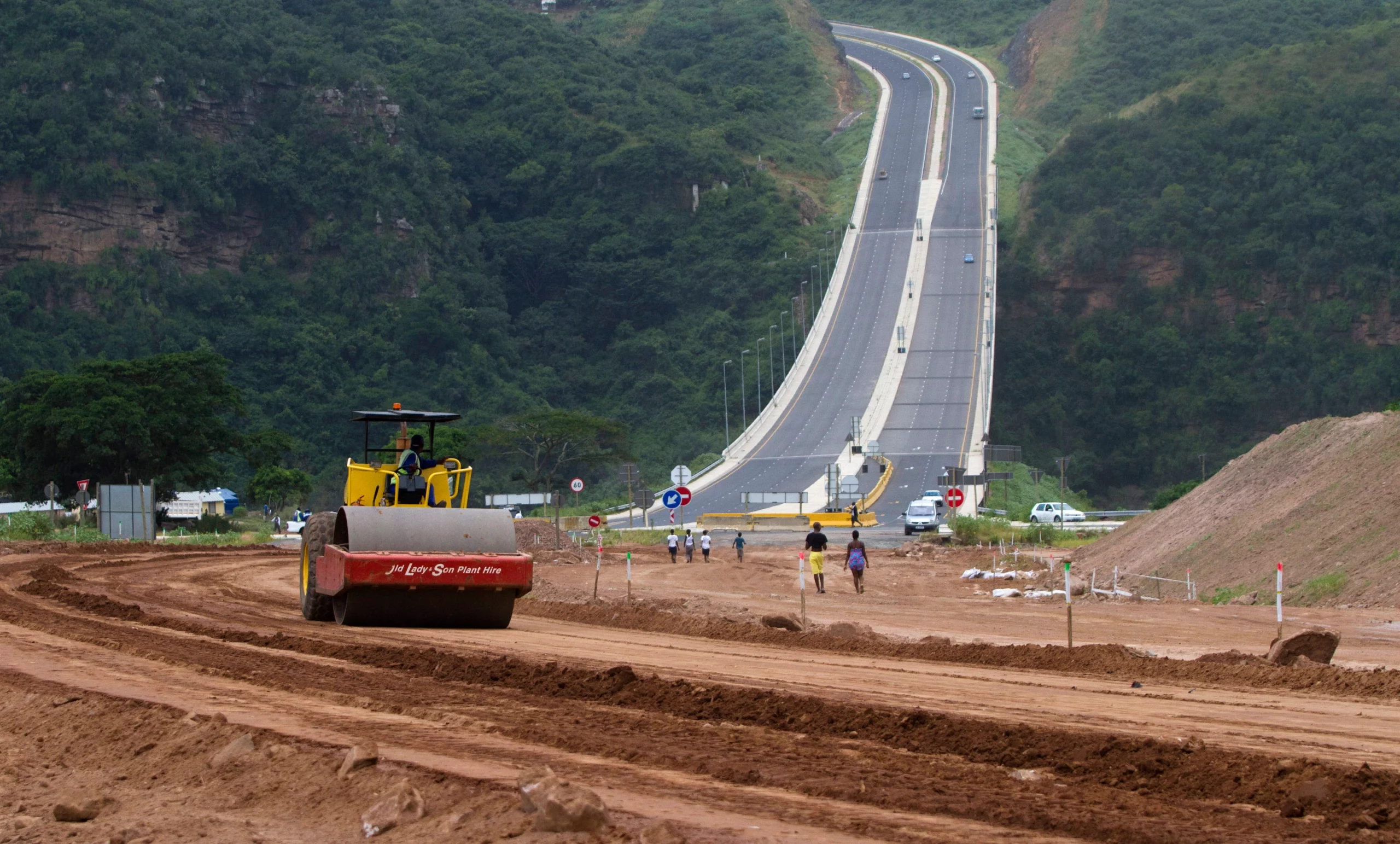
Africa’s economic development potential is closely linked to infrastructure modernization in its changing landscape.
McKinsey’s analysis suggests Africa’s focus on solar, wind, and green hydrogen could cut energy emission intensity by 45% by 2050.
This transition would require about $2.9 trillion in capital expenditure between 2022 and 2050, mainly dedicated to green energy sources.
Investment in hydrogen and renewables is expected to more than double by 2050.
Projects like South Africa’s Just Energy Transition Investment Plan (JET-IP), launched at COP27, illustrate the continent’s commitment to sustainable energy.
This plan involves a financial package of $8.5 billion pledged by the European Union, the United Kingdom, and the United States.
It focuses on electricity, new energy vehicles, and green hydrogen, leveraging South Africa’s abundant renewable energy sources.
Substantial investments will enhance power generation and electrification in electricity infrastructure.
An Egypt-Saudi Arabia venture plans to build a high-voltage direct-current link, boosting grid resilience and aiding decarbonization efforts.
Morocco is witnessing significant infrastructure developments, with Vinci Energies constructing extensive high-voltage power lines and distribution networks.
Yet, Africa faces a vast infrastructure deficit, particularly in sub-Saharan regions, where access to electricity and clean water remains limited.
For example, electrification rates vary significantly across the continent.
Countries like South Africa, Cameroon, and Nigeria have rates above 50%, while others like Niger and the Democratic Republic of Congo fall below 20%.
The lack of infrastructure is more pronounced in rural areas, impacting access to basic services and economic opportunities.
Growth in information and communication technology infrastructure
Interestingly, the African Development Bank highlights Africa’s growth in information and communication technology infrastructure.
The continent is now the second-largest mobile phone market globally and the fastest-growing, with 8 in 10 Africans owning a mobile phone.
However, broadband coverage remains low, underscoring the need for accelerated digital innovation.
To address these challenges, investments like the AIIB’s Inclusive Connectivity and Rural Infrastructure Project in Côte d’Ivoire are crucial.
Closing Africa’s $170 billion infrastructure gap by 2025 is key to its economic and sustainable growth.
Overall, Africa’s infrastructure development is a multi-faceted endeavor, requiring substantial investment and strategic planning.
Bridging Africa’s $170 billion infrastructure gap by 2025 is crucial for its economic prosperity and sustainable growth.
More: Egypt news in English, every day from The Rio Times.
This article was produced by The Rio Times’ automated newsroom system. How we use AI · Report an error
Part of our ongoing coverage
Africa: The New Scramble — the great-power contest over the continent.
Read More from The Rio Times