Mexico’s Sugar Growers Pitch a $1.5bn Clean-Energy Bet
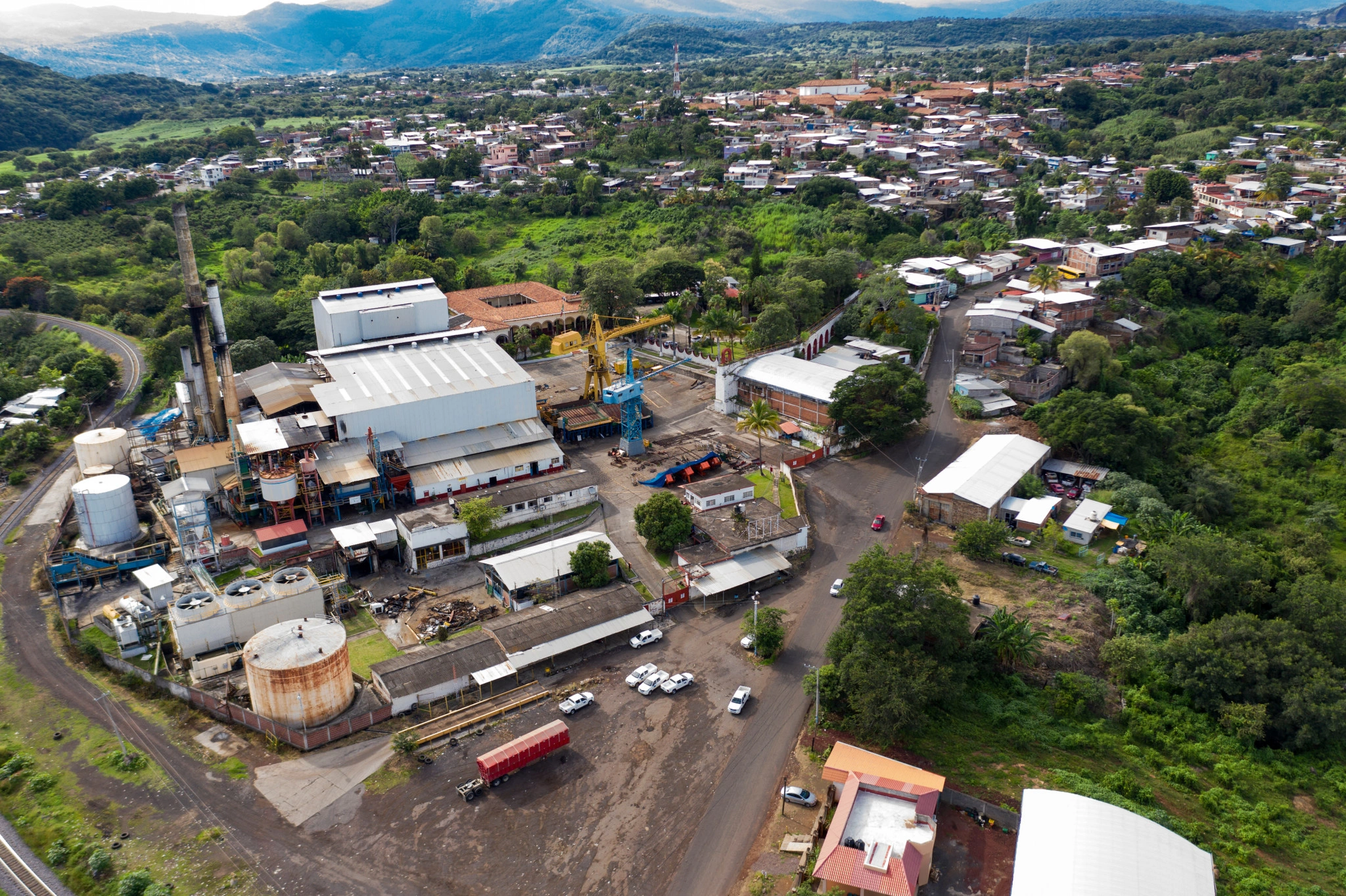
México · Energy
Key Facts
—The proposal. Mexico’s sugar industry is negotiating a biofuels and electricity-cogeneration program with the government.
—The number. Backers say it could unlock more than $1.5bn in fresh investment across the sector.
—The voice. The pitch came from the vice-president of the National Agricultural Council, a farm-sector group.
—The link. It is tied to efforts to shore up Pemex, the indebted state oil company, and a partnership with Brazil’s Petrobras.
—The model. Brazil is the template, where sugarcane feeds a vast ethanol industry that powers millions of cars.
—The catch. Mexico has tried and failed before, held back by weak rules and a lack of incentives.
A new Mexico sugar biofuels push could turn the country’s cane fields into a source of clean fuel and power, but it is a bet Mexico has placed before and never quite won.
Mexico grows a lot of sugarcane. What it has never done well is turn that crop into fuel and electricity at scale.
That may be about to change. The country’s sugar industry is in talks with the government over a program that could draw billions of dollars into the sector.
What the Mexico sugar biofuels plan would do
The idea has two parts. One is biofuels, chiefly ethanol made from cane, which can be blended into petrol to cut the use of imported fuel.
The other is cogeneration. That is a technical word for burning leftover cane fibre to make electricity, which mills can use themselves or sell into the grid.
Put together, supporters say the program could trigger more than one and a half billion dollars in new investment. The figure came from a senior figure at Mexico’s National Agricultural Council.
For a foreign reader, the appeal is easy to see. A struggling farm sector gets new income, and the country leans a little less on imported energy.
Why Pemex and Petrobras are in the picture
The plan does not stand alone. It is being framed as part of a wider effort to strengthen Pemex, the heavily indebted state oil company.
Pemex has talked for years about becoming an energy company rather than just an oil one. Biofuels and cogeneration fit neatly into that pitch.
There is also a Brazilian thread. Mexico has been deepening ties with Petrobras, Brazil’s state oil giant, which has decades of experience turning sugarcane into fuel.
Brazil is the obvious model. There, ethanol from cane has long been a mainstream motor fuel, and most new cars can run on it.
Mexican producers have watched that success for decades. They argue their own cane belt, spread across states such as Veracruz, could support a similar industry if the rules were right.
The cogeneration side may be the easier win. Sugar mills already burn cane waste during the harvest, so selling the surplus power into the grid is a smaller leap than building a fuel industry from scratch.
Why it has failed before
Mexico has flirted with cane-based fuel for years without ever scaling it up. Its own energy ministry has admitted the sector stalled for clear reasons.
Rules were unclear, tax breaks were thin, and legal certainty was missing. Pemex never wove biofuels into its fuel-distribution system or adapted its refineries to blend them.
There are environmental questions too. Growing more crops for energy can strain land and water, so the gains are not automatic.
That history is why this remains a negotiation, not a done deal. The talks signal intent, but the obstacles that sank earlier efforts have not vanished.
Why it matters
For investors weighing Mexico, the story is a useful test. It shows whether the government can match its energy ambitions with the rules and money to deliver them.
It also touches a sensitive nerve. Mexico imports a large share of its fuel, and anything that trims that bill carries political as well as economic weight.
For now, the cane growers have made their pitch and put a number on it. The next move belongs to the government and to Pemex.
The wider context is a country trying to redraw its energy map. Mexico is leaning on its state firms to lead the shift, rather than handing the job to private players.
That makes deals like this one a signal of the broader strategy. If the sugar program advances, it would mark one of the first concrete tests of whether that state-led model can deliver fresh investment.
More: Latin America news in English, every day from The Rio Times.
Frequently Asked Questions
What is the Mexico sugar biofuels plan?
It is a program under discussion between Mexico’s sugar industry and the government to produce biofuels and electricity from cane, which backers say could draw more than one and a half billion dollars in investment.
How does Pemex fit in?
The plan is tied to a broader effort to strengthen the indebted state oil company and to a partnership with Brazil’s Petrobras, which has long experience producing fuel from sugarcane.
Why might it struggle?
Mexico has tried cane-based fuel before and stalled, held back by unclear rules, weak incentives and a failure to blend biofuels into Pemex’s distribution system, so the obstacles remain real.
Connected Coverage
This article was produced by The Rio Times’ automated newsroom system. How we use AI · Report an error · Editorial responsibility: Matthias Camenzind, Editor-in-Chief