Asia Intelligence Brief — Wednesday, September 30, 2026
Executive Summary
Asia Intelligence Brief for September 30: China's factory gauge crosses fifty, Pyongyang calls Seoul's mine probe a farce, Beijing and Taipei quarrel over
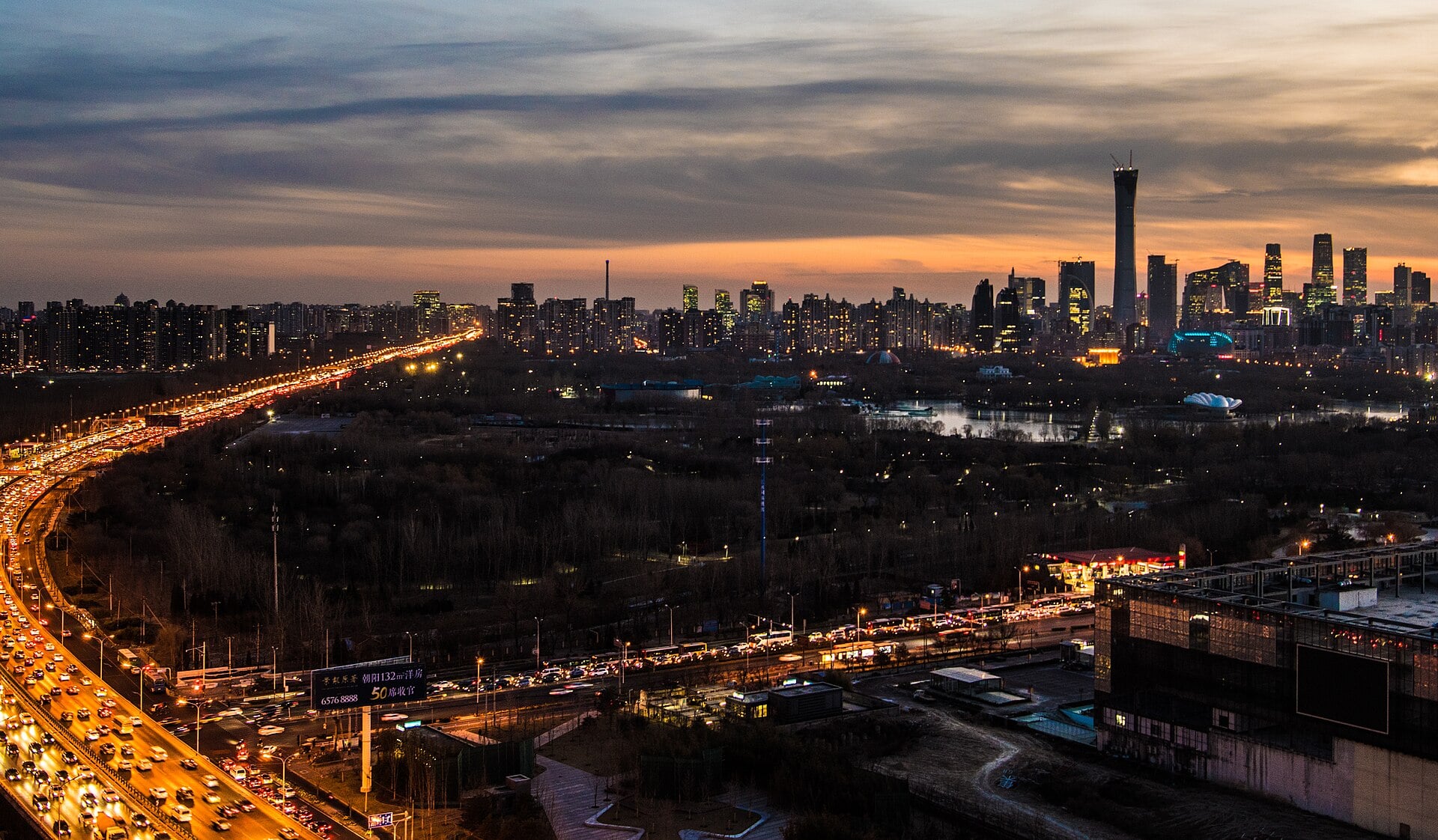
Asia’s temper this Wednesday is cautious relief measured to one decimal place. China’s factory gauge crossed back into expansion for the first time in three months, and the region’s markets spent the morning deciding how much of it to believe.
The register is vigilance with a calendar. Seoul followed Tuesday’s named mine with a formal demand that North Korea stop its border fortification work, Beijing accused Taipei of desecrating martyrs, and Tokyo’s prime minister began drafting a speech about responding nimbly to surprises.
What steadies the region is the part that can be polled in advance: South Korea’s export machine is still expected to post a sixteenth consecutive monthly rise, and Japan’s Nikkei rose 2.1 per cent this morning even as it closes its worst quarter in years.
The through-line is a region managing contradictions it has decided to live with — expansion without confidence, deterrence without escalation, rallies inside declining quarters. Asia this morning is an economy auditing itself.
Key Facts
—Back above fifty. China’s official manufacturing PMI rose to 50.1 in September from 49.8 in August, ending two months of contraction; the private RatingDog reading rose to 52.1 from 51.5, a five-month high, Reuters reported on 30 September.
—The services echo. The official non-manufacturing PMI rose to 50.2 from 49.0, Reuters reported, while Beijing’s growth target stands at 4.5 to 5 per cent against 4.3 per cent second-quarter growth.
—Seoul’s demand, Pyongyang’s answer. South Korea’s Joint Chiefs of Staff called on North Korea to stop fortification work near the border, saying it was increasing tensions, Reuters reported on 30 September — one day after Seoul formally blamed northern mines for last week’s DMZ blast. Pyongyang answered through KCNA, calling the mine investigation a “farce”, Reuters reported.
—The history quarrel. Beijing accused Taiwan of desecrating the martyrs after Taipei criticised China’s interpretation of the second world war, Reuters reported on 30 September, framing challenges to that narrative as a betrayal of history.
—Takaichi’s Sunday. Prime Minister Sanae Takaichi plans to pledge a nimble response to unexpected economic and market developments in a policy speech at the extraordinary parliamentary session opening on 5 October, Reuters reported, citing the Nikkei.
—The quarter’s scorecard. The Nikkei rose 2.1 per cent on Wednesday morning but was on course for a 4.7 per cent quarterly fall; the Kospi faced a 19 per cent quarterly decline and the CSI 300 a 13 per cent fall — its largest since the pandemic lockdowns, Reuters reported.
—The uneven recovery. Reuters linked September’s PMI improvement to fewer weather disruptions and global AI demand, while noting weak consumption, investment and property-market confidence.
—Targeted support. Beijing announced targeted credit and home-buyer support on 29 September, days before the factory surveys turned positive, Reuters reported.
Fifty Point One, And A Careful Exhale
China’s factories crossed the line that separates contraction from expansion on the month’s final morning. The official manufacturing PMI rose to 50.1 in September from 49.8, and the private RatingDog survey reached 52.1, a five-month high, Reuters reported on 30 September.
The register in Beijing is relief rationed by the decimal. Reuters tied the improvement to fewer weather disruptions and global AI demand — and immediately noted weak consumption, investment and property confidence underneath. An expansion print built on external demand is a print someone else can cancel.
The timing is the policy’s frame. Beijing announced targeted credit and home-buyer support on 29 September; the surveys turned positive the following morning. Whether the measures moved the needle or merely preceded it, they let the government present the recovery as responsive rather than accidental. The markets’ reply — modest gains inside a 13-per-cent quarterly CSI 300 fall — is the region’s honest counterweight.
Seoul Tells The North To Stop Digging
The DMZ file acquired its second day of vocabulary — and its first northern reply. South Korea’s Joint Chiefs of Staff called on North Korea to stop fortification work near the inter-Korean border, saying it was increasing tensions, Reuters reported on 30 September — twenty-four hours after Seoul formally blamed northern mines for the blast that wounded two of its soldiers. Pyongyang answered through the state-run KCNA, dismissing the mine investigation as a “farce”, with Kim Yo Jong denying northern involvement in the mining, Reuters reported.
The sequence is the strategy. Blame the mines on Tuesday, the digging on Wednesday: Seoul is building a public case file in daily instalments, each one small enough to avoid escalation and legible enough to justify the response it has already promised. The United Nations Command separately concluded the mining violated the armistice, the Korea Herald reported — giving Seoul’s file a multilateral footnote.
The register in Seoul is procedural anger with a demand attached: Al Jazeera reported that the South is seeking an apology. Pyongyang’s counter-register is dismissal with a price tag — KCNA warned Seoul would “pay a price”. The peninsula’s October question is which register runs out of procedural steps first.
The Martyrs’ Ledger
Beijing accused Taiwan of desecrating the martyrs after Taipei criticised China’s interpretation of the second world war, Reuters reported on 30 September — casting challenges to the official narrative as a betrayal of history itself.
The register in the strait is memory as jurisdiction. A quarrel over eight-decade-old history is never about the history; it is about who has the standing to narrate it, and Beijing’s answer this morning is: not Taipei.
Takaichi Pencils In Vigilance
Japan’s prime minister plans to pledge a nimble response to unexpected economic and market developments when parliament’s extraordinary session opens on 5 October, Reuters reported, citing the Nikkei — including setting annual debt issuance with interest-rate conditions in mind.
The register in Tokyo is watchfulness worn as competence. A premier who promises to respond to surprises is a premier pricing the possibility that the surprises are already booked: a Nikkei up 2.1 per cent this morning, and still closing its weakest quarter in years.
The Quarter Closes In Red Ink
September’s last session is a study in divergence. The Nikkei rose 2.1 per cent this morning; the Kospi approached a 0.7 per cent monthly gain against a 19 per cent quarterly fall; the CSI 300 faced a 13 per cent quarterly decline, its largest since the pandemic lockdowns, Reuters reported.
The register across the region’s trading floors is quarter-end honesty. Monthly rallies inside quarterly declines are how markets admit that the Iran-war energy premium and the strong dollar have been taxing Asia all quarter — and that nobody expects the tax to lift in October.
What This Means From Latin America
China’s 50.1 is the region’s commodity weather with the sign flipped. Brazilian iron ore, Chilean copper and Argentine soy all price Beijing’s demand first and verify later; a return to expansion — however thin — is the signal those exporters have waited three months to see.
The CSI 300’s worst quarter since the pandemic is the cautionary column. If China’s recovery rests on AI demand and exports while consumption stays weak, Latin America’s exposure is concentrated exactly where the recovery is thinnest — and a 13-per-cent quarterly fall is what that concentration feels like from the other side.
Tokyo’s debt-issuance thinking is the hemisphere’s yield problem in translation. Japan calibrating issuance to interest-rate conditions is one more major economy admitting that money is expensive everywhere — the same arithmetic Latin American treasuries bring to their October calendars.
The comparison is set out at greater length elsewhere. The dossier carries the leader, the country health check and the outcome table with its Latin America column — open the Asia Intelligence Dossier.
What We Are Watching
- 5 October: Takaichi’s policy speech — The nimble-response pledge and any debt-issuance detail set Japan’s fiscal tone for the quarter.
- The coming days: the farce’s second act — Pyongyang has dismissed the mine probe and warned Seoul will “pay a price”. Seoul wants an apology. Any further fortification work is now a test of both threats.
- Early October: Korea’s official trade print — The poll still forecasts a sixteenth straight export rise and a record US$38.15 billion surplus. Confirmation sets the AI-chip narrative.
- After the holiday: China’s follow-through — Whether October’s PMI holds above fifty decides if 50.1 was a turn or a pause between contractions.
- The fortnight: the history quarrel’s next line — Beijing’s martyrs charge invites a Taipei reply. Escalation here is rhetorical until it is not.
- Quarter-end: the CSI 300’s autopsy — A 13-per-cent quarterly fall demands a policy answer after the holiday. Watch the State Council, not the tape.
Background: BRICS Just Got Bigger — Who’s In, Who’s Still Out, and Why It Matters.
Background: Brazil Election Results 2026: Live Updates, Vote Count and Runoff Scenarios.
Frequently Asked Questions
Is China’s factory sector really growing again?
Narrowly, yes. The official manufacturing PMI rose to 50.1 in September from 49.8, and the private RatingDog reading hit 52.1, a five-month high, Reuters reported on 30 September. Reuters tied the improvement to fewer weather disruptions and AI demand — while noting consumption, investment and property confidence remain weak.
What is Seoul demanding from North Korea now?
That it stop fortification work near the border, which the Joint Chiefs of Staff said was increasing tensions, Reuters reported on 30 September. The demand came one day after Seoul formally blamed northern mines for last week’s DMZ blast that injured two South Korean personnel. Pyongyang answered through KCNA, calling the investigation a “farce” and warning Seoul would pay a price; Seoul is seeking an apology, Al Jazeera reported.
Why are Beijing and Taipei quarrelling about the second world war?
Beijing accused Taiwan of desecrating the martyrs after Taipei criticised China’s wartime narrative, Reuters reported on 30 September. The dispute is about standing, not history: who gets to narrate the past is a proxy for who gets to define the present.
What will Japan’s prime minister say on 5 October?
Sanae Takaichi plans to pledge a nimble response to unexpected economic and market developments at the extraordinary session’s opening, Reuters reported, citing the Nikkei — including setting annual debt issuance with interest-rate conditions in mind.
This article was produced by The Rio Times’ automated newsroom system. How we use AI · Report an error