Mexico Fuel Theft ‘Huachicol’ Rose 15% in 2025
Mexico · Energy
Fuel theft in Mexico — known as “huachicol” — is getting worse, not better: state oil company Pemex’s own filings show illegal fuel sales climbed more than 15% last year, even as a law meant to toughen the penalties sits unmoved in Congress.
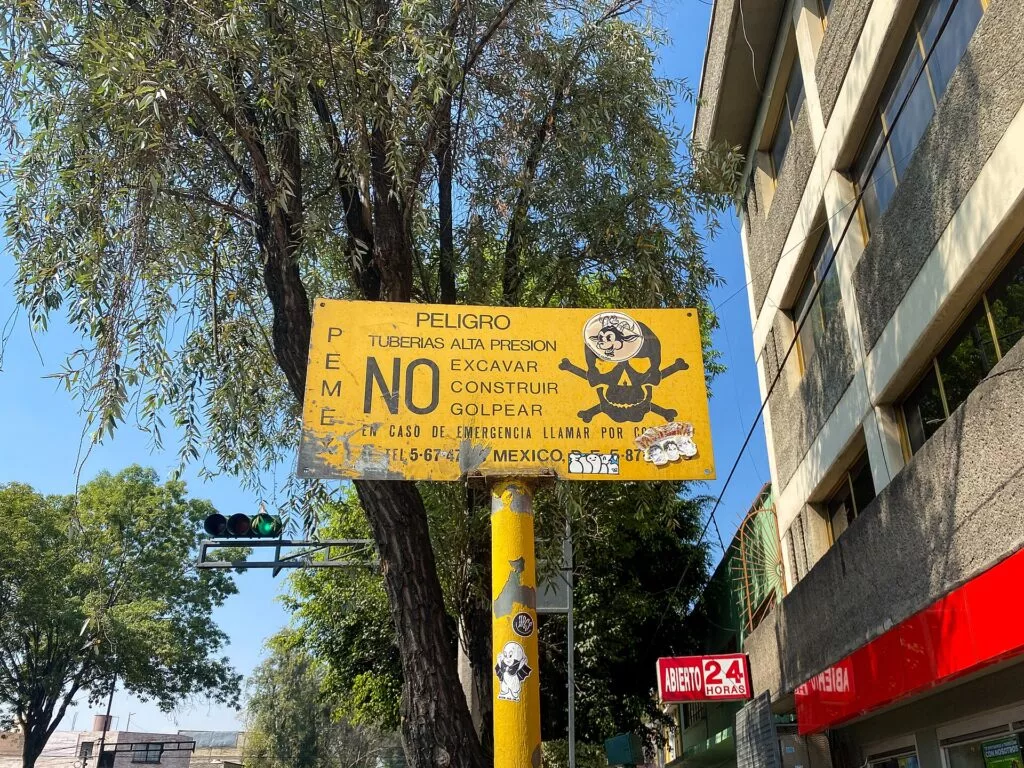
The rise in illegal fuel sales marks a sharp reversal after years of heavy-handed military-style crackdowns that had temporarily suppressed theft volumes. The resurgence suggests that criminal networks have adapted their methods, including shifting to fiscal huachicol to bypass physical security measures.
Key Facts
— Rising theft. Illegal hydrocarbon sales rose 15.3% in 2025 to about 19,600 barrels a day, per Pemex’s 20-F filing to the US SEC.
— The cost. Opposition lawmakers put the loss at roughly 23.5 billion pesos (about US$1.3 billion) over twelve months.
— Scale. Mexico recorded one clandestine pipeline tap roughly every 51 minutes in 2026.
— Stalled fix. A reform to toughen penalties, filed in April 2026, has not yet been approved.
Pemex’s SEC filing provides a rare, independent data point in a debate often clouded by political narratives, as the company must truthfully report material risks to investors. The 20-F document detailed not only the volume of lost fuel but also the associated financial damage, which the opposition later converted into the 23.5-billion-peso annual figure that has become a rallying cry for critics of the government’s security policy.
The numbers
The figures come from Pemex’s own annual report, the 20-F it files with the US Securities and Exchange Commission, and were highlighted by opposition deputy Marcelo Torres Cofino of the National Action Party (PAN). By that accounting, illegal fuel sales rose 15.3% in 2025 to around 19,600 barrels a day, draining roughly 23.5 billion pesos (about US$1.3 billion) from public coffers in a single year. Clandestine taps on the pipeline network, the deputy said, are being detected at a rate of about one every 51 minutes.
The detection of one illegal tap every 51 minutes translates to roughly 28 breaches per day, illuminating the relentless pressure on Pemex’s sprawling pipeline network that stretches over tens of thousands of kilometers. Many of these crude perforations risk deadly explosions, forcing the company to shut down lines and causing widespread fuel shortages and environmental damage.
What “huachicol” means
The word covers two related crimes. The classic version is the physical theft of gasoline and diesel by drilling illegal taps into Pemex pipelines. The newer, faster-growing variant is “fiscal huachicol” — smuggling fuel across the border or mislabeling imports to evade taxes and duties. Both bleed revenue from Pemex and the treasury, and both have proven stubbornly resistant to successive government crackdowns.
Fiscal huachicol often involves trucking fuel across the northern border or through seaports, where importers declare false product types to avoid a significant share of the excise taxes that make up a large portion of the pump price. Because this method leaves no physical mark on pipelines, law enforcement agencies find it far harder to detect and prosecute than traditional pipeline taps.
A reform that hasn’t moved
An initiative introduced in April 2026 would amend the Federal Penal Code and the Federal Law to Prevent and Sanction Crimes Committed in Hydrocarbon Matters, aiming to stiffen penalties and close loopholes on fiscal huachicol. Months later it has yet to clear Congress, leaving the legal framework where it was while the numbers worsen.
Under the proposed changes, individuals caught stealing or trafficking fuel would face longer prison terms and stiffer fines, while companies enabling the practice could see business licenses suspended. Legal experts have noted that closing the gap in import mislabeling is critical because current laws often treat such fraud as a simple customs violation rather than organized crime.
The political fight
The gap between official rhetoric and the data has become a political weapon. Torres Cofino accused the federal government of running a “failed” strategy and called its anti-theft messaging a “farce.” The government maintains that it is dismantling fuel-theft networks. What is not in dispute is the direction of the numbers — and, for now, the absence of the tougher law that lawmakers across the aisle say the problem demands.
Beyond the revenue loss, fuel theft erodes public trust in state institutions and funds criminal organizations that thrive on illicit gasoline sales. With an election cycle approaching, the stalled reform is likely to become a heavier political burden for the administration as opposition candidates hammer the issue on the campaign trail.
More: Mexico news in English, every day from The Rio Times.
Frequently Asked Questions
What is huachicol?
The Mexican term for fuel theft — illegal tapping of Pemex pipelines, and increasingly “fiscal huachicol,” tax evasion on fuel imports.
How much is it costing Mexico?
Per Pemex’s 20-F filing, illegal fuel sales rose 15.3% in 2025 to about 19,600 barrels a day, a loss of roughly 23.5 billion pesos (about US$1.3 billion) in a year.
Is there a new law against it?
An April 2026 reform to toughen penalties has been filed but not yet approved by Congress.
For now, the daily tally of illegal taps continues to climb, underscoring the gap between legislative intent and enforcement reality. Without the reform’s swift passage, experts warn, fuel theft will remain a low-risk, high-reward enterprise draining billions from the Mexican economy.
Connected Coverage
JBS’s Pilgrim’s Pride Sees Profit Slump on Chicken Glut
Profarma Q2 Revenue Jumps 32% to US$703 Million
Sources: Pemex; Pemex's 20-F filing to the US SEC; Opposition lawmakers.
This article was produced by The Rio Times’ automated newsroom system. How we use AI · Report an error
In depth
Read More from The Rio Times