Mexico · ENERGY
Key Facts
- —What happened Mexico’s fuel retailers and government extended the gasoline price deal for six more months from August 2026.
- —How big a jump The cap keeps regular magna gasoline below 24 pesos (US$1.20) per litre.
- —The real story The strategy, running since March 2025, shields drivers from global oil price swings.
- —The catch No ministry signed the extension, and no exact end date has been published.
- —Who it touches Millions of drivers at most service stations nationwide, with retailers represented by Onexpo, feel the deal.
- —What comes next Future renewals depend on ongoing negotiations between the government and fuel retailers.
The arrangement has run for more than a year, and neither side has published a closing date.
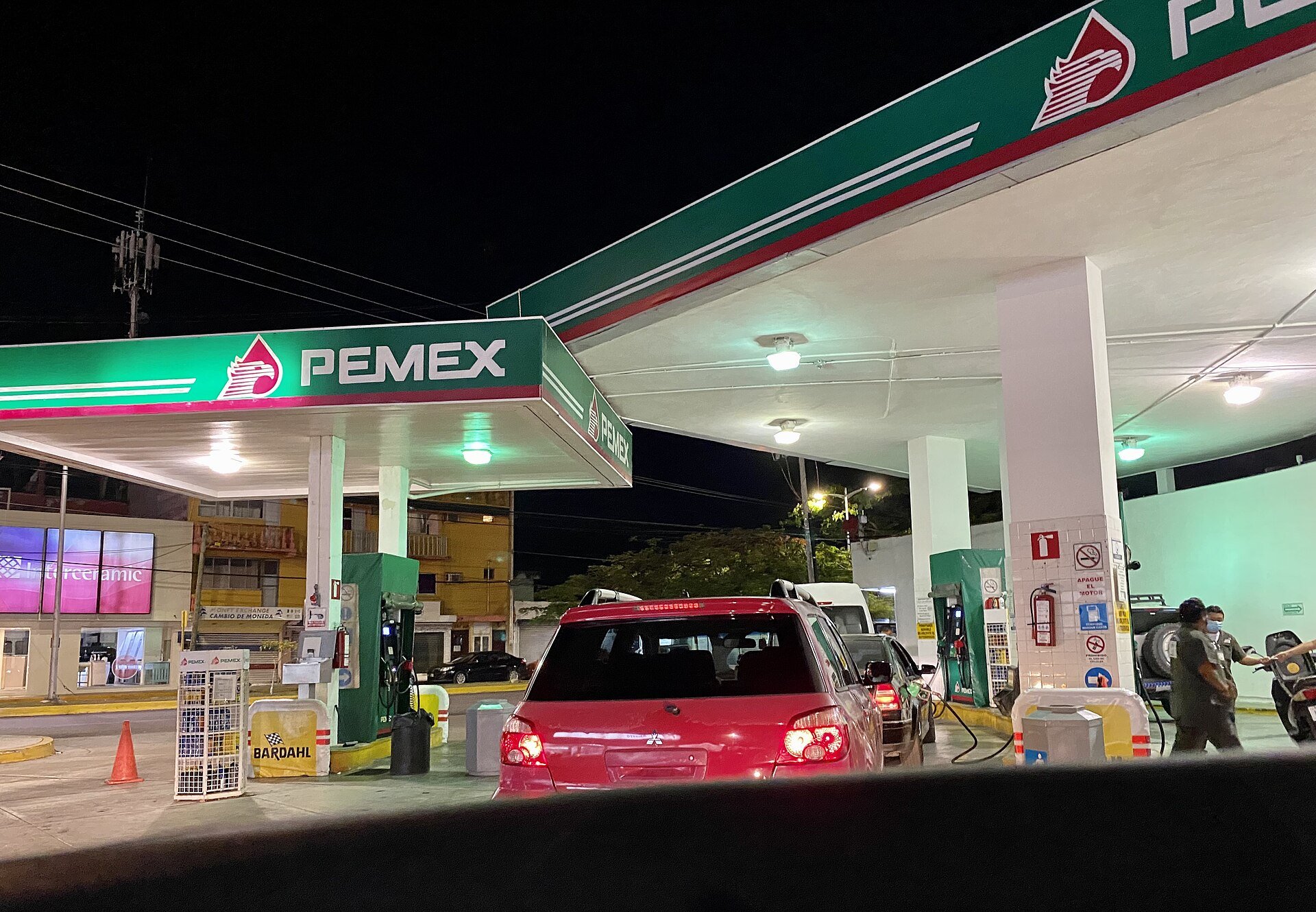
The Mexico gasoline price deal has been extended for another six months, according to Infobae Mexico. The agreement keeps regular gasoline below 24 pesos a litre.
Extension Announced in August
On 21 August 2026, the Mexican government and fuel retailers agreed to extend the arrangement for another six months. Infobae Mexico reported the news that day.
The extension starts from August 2026. No exact calendar end date was published.
What Is the Strategy?
The arrangement is called the Estrategia Nacional para Estabilizar el Precio de la Gasolina Regular y el Diésel. In English, that is the national strategy to stabilise the price of regular gasoline and diesel.
This long name reflects its broad goal. In short, the strategy aims to keep fuel costs predictable for drivers.
As a result, regular gasoline stays below 24 pesos a litre.
Who Is Involved?
The private side includes the national association of filling stations, represented by bodies such as Onexpo, the national organisation of petroleum retailers. These groups represent most of the country’s service stations and fuel brands.
The federal side is described simply as the government of Mexico. However, the August reports do not name which ministry signed.
History of the Mexico Gasoline Price Deal
This arrangement has been running for more than a year. It was last renewed in March 2026, for six months, running to August 2026.
Before that, a presidency communication dated 24 March 2025 described a voluntary agreement with fuel retailers. That agreement set a maximum of 24 pesos for regular gasoline, for six months and subject to review.
Impact on Regular Gasoline
Regular gasoline is sold in Mexico as magna. Therefore, the price cap applies to the most common fuel at the pump.
For example, drivers can expect magna to stay below 24 pesos a litre for the next six months. This provides some certainty for household budgets.
Why the Extension Matters
The extension means the Mexico gasoline price deal continues without interruption. Consequently, fuel costs remain stable for consumers.
Meanwhile, retailers and the government maintain their partnership. In addition, the strategy’s name highlights its focus on stabilisation.
What Happens Next?
The extension runs for six months from August 2026. No official end date has been set.
Still, the arrangement has shown resilience over time. After all, it has been renewed multiple times since March 2025.
Broader Context
The Mexico gasoline price deal is part of efforts to keep fuel affordable. By contrast, global oil prices can fluctuate, but this strategy buffers consumers.
Although the government and retailers are the main parties, the deal affects millions of drivers. In fact, most service stations across the country are involved.
Final Thoughts
Overall, the extension provides continuity for fuel pricing. The Mexico gasoline price deal remains a key part of the country’s economic landscape.
For now, drivers can fill up knowing the cap is in place. Even so, future renewals will depend on ongoing negotiations.
More: Mexico news in English, every day from The Rio Times.
What is the Mexico gasoline price deal?
The Mexico gasoline price deal is an agreement between the government and fuel retailers. It keeps regular gasoline below 24 pesos a litre.
How long is the extension?
The extension lasts for six months from August 2026. No exact end date has been published.
Who signed the agreement?
The federal side is the government of Mexico, and the private side includes fuel retailers represented by Onexpo. The reports do not name which ministry signed.
What is regular gasoline called in Mexico?
Regular gasoline is sold as magna in Mexico. The price cap applies to this common fuel.
Connected Coverage
- The peso at a two-year high
- Fuel theft in Mexico
Sources: Infobae Mexico; Mexican government communications; Onexpo.
Frequently Asked Questions
This article was produced by The Rio Times’ automated newsroom system. How we use AI · Report an error · Editorial responsibility: Matthias Camenzind, Editor-in-Chief