Mexico Awards Aldesa a US$38.8 Million Contract for Two Chiapas Tunnels

MEXICO · INFRASTRUCTURE
Key Facts
- —What happened: Spain’s Aldesa won a 659 million peso (US$38.8 million) contract to build two highway tunnels in Chiapas, Mexico.
- —Where: The tunnels sit on the Palenque–Ocosingo stretch of the road from Palenque to San Cristóbal de las Casas.
- —How it splits: Aldesa’s subsidiary Proacon builds the 320-metre tunnel, and a consortium with two Mexican firms builds the 200-metre one.
- —The real story: Aldesa is 99 percent owned by China Railway Construction, so Chinese state capital keeps winning Mexican public works.
- —The catch: The tunnels are one small piece of a 94-kilometre highway that Chiapas has been promised for years.
- —What comes next: Construction should run about 17 months under the tender from Mexico’s federal transport ministry.
Spain’s Aldesa has won a 659 million peso (US$38.8 million) contract for two tunnels in Chiapas. The works sit on the highway between Palenque and Ocosingo, part of a long-promised road.
What Aldesa won in Chiapas
The contract covers two tunnels on the road from Palenque to San Cristóbal de las Casas. Mexico’s Secretariat of Infrastructure, Communications and Transport tendered both works on the Palenque–Ocosingo stretch.
The larger of the two Chiapas tunnels runs 320 metres. It will be built by Proacon México, the Aldesa subsidiary specialised in underground works.
The second tunnel runs 200 metres. Aldesa will build it jointly with Constructora de Caminos Chiapas and a Mexican engineering consortium.
Constructora de Caminos Chiapas is a local road builder. The second partner is the Consorcio de Ingenieros Constructores y Consultores.
Both contracts include portals, earthworks, drainage, paving and electrical lighting. The estimated execution period is around 17 months.
A public tender record from May already listed tunnel works at Ocosingo on this road. The Aldesa award confirms who will build them.
The works sit in the hills between the Chiapas lowlands and the highlands. Tunnels let the road hold its grade instead of climbing in switchbacks.
The company confirmed the award and its value in a statement this week. Spanish business media reported the news on Thursday 27 August 2026.
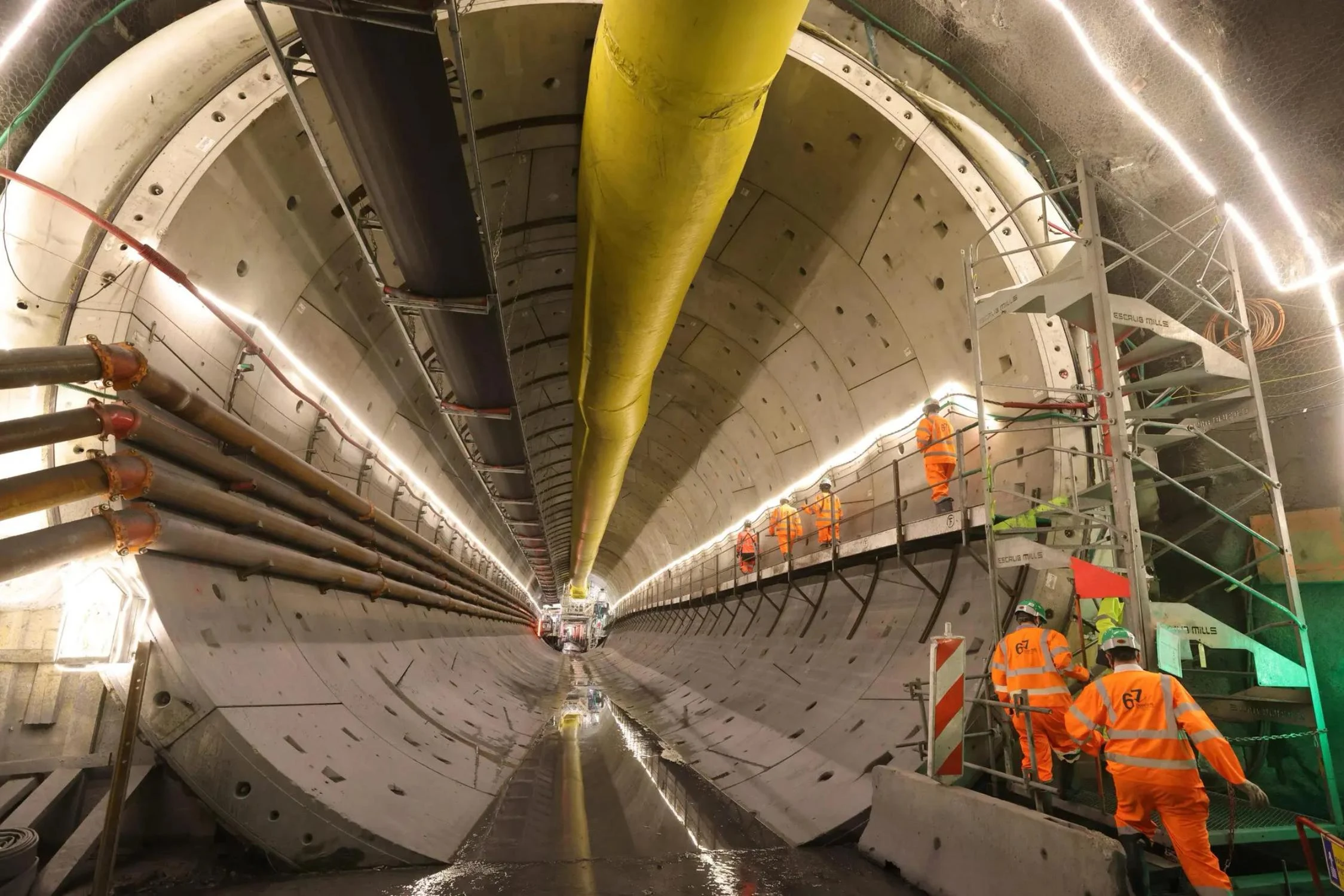
The road behind the Chiapas tunnels
The tunnels belong to a bigger project, the Palenque–Ocosingo highway. The route is planned at roughly 94 kilometres through northern Chiapas.
Estimates put the full investment near 4,000 million pesos (US$235.8 million). Promoters say the road could create more than 1,500 direct jobs.
The federal government named the road a priority this year. Infrastructure secretary Jesús Esteva backed it in a July presentation to Congress.
That plan reserves 528 billion pesos (US$31.1 billion) for road, school and sports works nationwide. Chiapas is one of the poorest states those works are meant to reach.
For now the highway exists only in pieces. Contractors are already working short subsections between kilometres five and eleven.
The highway is being built in stages, not all at once. That is why the Chiapas tunnels arrive as a contract of their own.
Who Aldesa is, and who owns it
Aldesa is a Madrid-based builder with more than 50 years of work across three continents. Mexico has been one of its largest markets for decades.
In 2018 Mexico supplied 46 percent of the group’s revenue. Only Spain itself came close, with 39 percent.
Since May 2020 the company has been controlled by China Railway Construction Corporation. The Chinese state-owned giant took 75 percent then, and now holds over 99 percent.
That makes the Chiapas tunnels another quiet win for Chinese capital in Mexican infrastructure. The same pattern repeats across Latin America, from ports to railways.
Aldesa’s Mexico business has kept growing this year. In July it won a hybrid solar park contract worth about 160 million euros (US$186.4 million).
The Chinese takeover rescued a company that was renegotiating its debts in 2019. This year Aldesa refinanced 200 million euros (US$233 million) with banks led by Santander.
Why the Chiapas tunnels matter for readers
Chiapas is Mexico’s poorest state by income. Its road network is thin, slow and often blocked by weather or protest.
The Palenque–San Cristóbal route links the Maya ruins of Palenque with the highland city most foreign visitors use as a base. Anyone who has driven it knows the curves and the delays.
Shorter, safer travel times matter for tourism and for freight. They also matter for a state government managing long-running security problems.
Freight matters as much as tourists. Coffee and farm goods from the highlands all leave for market by road.
For foreigners living in San Cristóbal, or running businesses there, the works mean disruption first. Construction traffic and road closures usually arrive before any time saving.
The tunnels also signal where federal money is flowing. The current administration has made southern infrastructure a signature policy.
Tourism is one of the few growth engines the state has. Palenque’s ruins and San Cristóbal’s old town draw most of its foreign visitors.
The wider contest behind the contract
Mexico has expanded passenger rail across the south in recent years. The Maya Train already runs through Palenque, and more lines are planned.
Aldesa’s Chinese owner is one of the largest construction groups in the world. It builds railways, roads and bridges in more than 130 countries.
Earlier this year an Aldesa-led consortium won rail buildings on the Querétaro–Irapuato passenger line. That contract was worth 3,280 million pesos (US$193.3 million).
For Mexico, foreign builders bring capacity the local industry sometimes lacks. They also bring fair questions about who profits from public works.
Mexico’s federal plan also pours money into railways and airports. Construction groups with deep balance sheets are best placed to win it.
What to watch from here
The first test is the construction schedule. Seventeen months is the estimate, and mountain roads in Chiapas rarely run to plan.
The second test is money. The full Palenque–Ocosingo road needs far more than the 659 million pesos (US$38.8 million) these two tunnels represent.
The third test is security. Chiapas has seen cartel violence disrupt roads and tourism, and work sites can become targets or leverage.
If the tunnels finish on time, pressure will grow to complete the road. A half-built highway helps nobody.
For Aldesa, a clean delivery of the Chiapas tunnels would strengthen its hand in future tenders. For Chiapas, it would shorten a drive locals have endured for decades.
More: Mexico news in English, every day from The Rio Times.
Frequently Asked Questions
Who won the contract to build the two Chiapas tunnels?
The Spanish construction group Aldesa won the 659 million peso (US$38.8 million) contract, tendered by Mexico’s transport ministry. Its subsidiary Proacon México builds the 320-metre tunnel, and a consortium with two Mexican firms builds the 200-metre one.
Where are the Chiapas tunnels being built?
They sit on the Palenque–Ocosingo stretch of the highway linking Palenque with San Cristóbal de las Casas, in the southern state of Chiapas. The works are scheduled to take around 17 months.
Who owns Aldesa?
Aldesa is controlled by China Railway Construction Corporation, a Chinese state-owned group that took a 75 percent stake in 2020 and now holds more than 99 percent. The company is based in Madrid and has worked in Mexico for decades.
Connected Coverage
Chiapas has been in the news for harder reasons this year, from the 7.4 earthquake that triggered a tsunami alert in July to the capture of an alleged MS-13 leader near the Guatemala border.
Sources: Aldesa company statement via Europa Press; El Demócrata and Diario Siglo XXI (27 August 2026); SICT presentation to the Chamber of Deputies infrastructure committee, July 2026; elEconomista. Exchange rate: 16.97 Mexican pesos per US dollar, 28 August 2026.
This article was produced by The Rio Times’ automated newsroom system. How we use AI · Report an error · Editorial responsibility: Matthias Camenzind, Editor-in-Chief
In depth