Mexico Deploys 1,557 Personnel to Secure Michoacán Avocado Trade
Mexico · SECURITY & TRADE
Key Facts
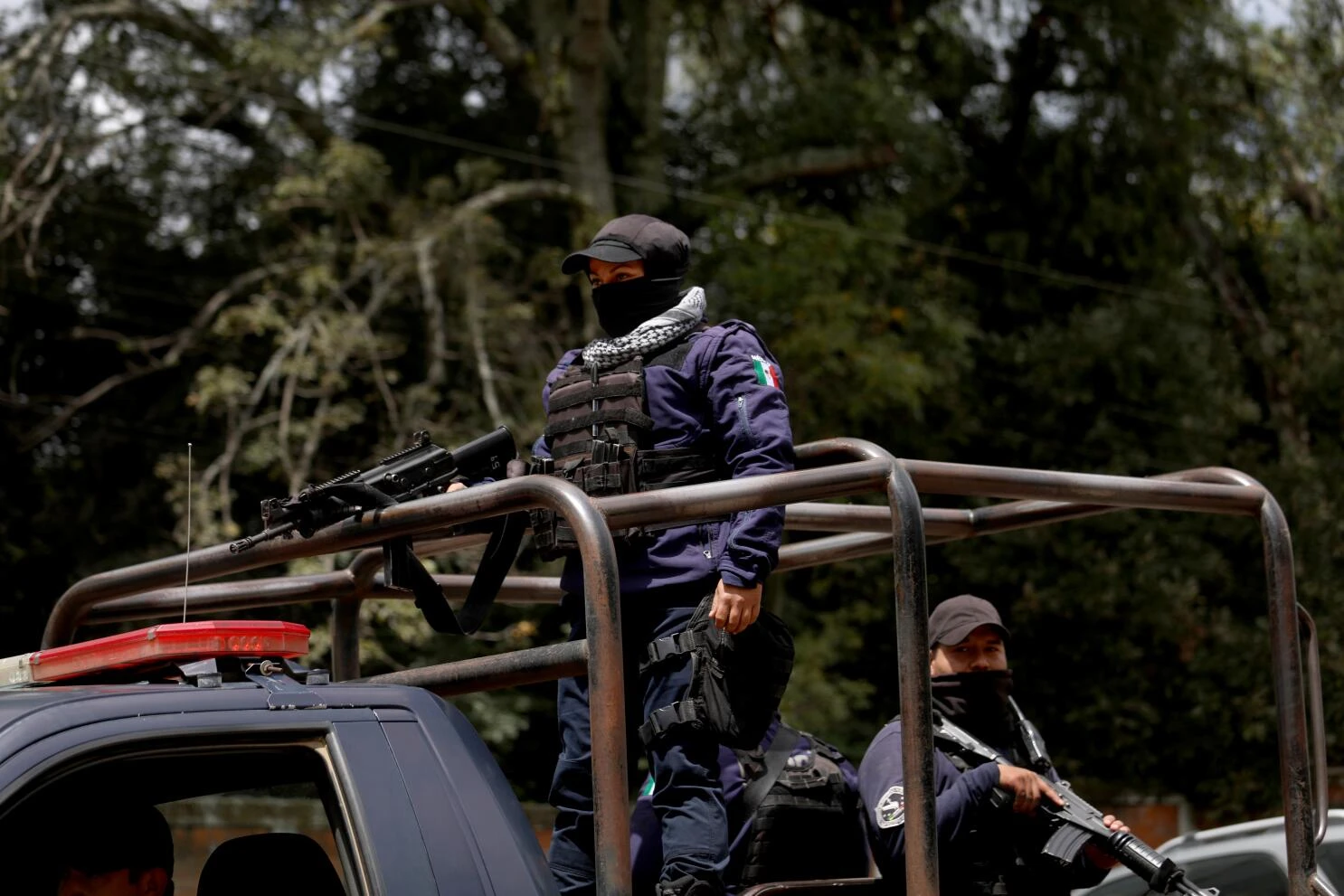
—The deployment. Mexico is adding 1,557 Army and National Guard personnel to Michoacán’s avocado belt, increasing patrols and surveillance around orchards, packing plants, inspection sites and transport routes.
—The trigger. The U.S. government suspended official activities across Michoacán on 5 August after reporting a threat against U.S. interests; state authorities said the measure temporarily halted the inspections required for avocado exports.
—No import ban. Washington did not prohibit Mexican avocados. The immediate obstacle is the absence of U.S. inspection activity in Michoacán, not a nationwide trade embargo.
—The exposure. Mexican avocado sales to the United States were worth US$3.653 billion in 2025. Mexico supplied 83% of U.S. avocado import volume and 88% of import value that year.
—Michoacán’s weight. The state produced just over 2.0 million metric tons in 2024, around 73% of Mexico’s national output. State authorities reported 33,884 growers certified during 2025 and 52,810 orchards registered as Michoacán prepared for its 2026 export cycle.
—The security backdrop. Federal authorities say six people suspected of extorting the timber, resin and avocado industries were arrested in recent operations; the government also reports a 46% fall in Michoacán’s daily homicide rate from January 2025 to June 2026.
—What comes next. President Claudia Sheinbaum says Mexico is preparing a security work plan for orchards and packing areas while negotiating with the U.S. embassy. No restart date had been announced by 7 August.
The deployment aims to secure a tightly controlled export corridor worth US$3.653 billion annually; the commercial impact depends on how long inspections remain paused.
Why a security alert can stop avocado exports
The 5 August U.S. security alert suspended U.S. government activities throughout Michoacán after officials identified a threat against U.S. interests. The wording matters: it did not impose an avocado ban. But Michoacán’s government said the suspension temporarily stopped U.S. inspection work, creating a practical barrier for fruit moving through the approved export system.
Hass avocados from Michoacán enter the United States under a regulated systems approach. Orchards must be registered and certified, fruit must move through approved packing houses, and phytosanitary safeguards must be verified. If the officials needed for that process cannot work, compliant fruit can be delayed even without a formal customs prohibition.
Where the 1,557 personnel will operate
Mexico’s Defense Ministry (Sedena) said the reinforcements would add operational personnel and surveillance capacity at strategic points. The deployment covers avocado-producing municipalities as well as packing facilities, inspection points and the roads that connect orchards to the export chain. It forms part of the federal National Public Security Strategy and the Michoacán peace and justice plan.
The focus is not limited to guarding a single facility. An export avocado passes through several vulnerable stages: collection at the orchard, truck transport, packing, inspection and onward shipment. Disruption or intimidation at any of those points can hold up certified product and undermine the confidence required for inspectors to return.
A US$3.653 billion trade corridor
The commercial exposure is large. Mexico’s Agriculture Ministry values 2025 avocado exports to the United States at US$3.653 billion, making the fruit Mexico’s second-largest agri-food export to that market. USDA data show that Mexico provided 83% of U.S. avocado import volume and 88% of import value in 2025.
U.S. imports reached a record 2.87 billion pounds in 2025. Shipments arrive year-round, but the USDA says both volumes and Mexico’s market share are highest in fall and winter. California and Peru provide alternative seasonal supply, but Mexico remains by far the dominant source; price and availability risk would rise if the inspection pause persists.
Michoacán is difficult to replace quickly. Mexico produced 2.76 million metric tons of avocados in 2024, of which Michoacán supplied just over 2.0 million tons, or roughly 73%. State authorities reported 33,884 growers certified during 2025 across 46 municipalities and 52,810 orchards registered as Michoacán prepared for its 2026 export cycle.
Security gains have not eliminated extortion risk
The reinforcement arrives against a mixed security picture. Federal authorities say Michoacán’s average daily intentional-homicide rate fell 46%, from 4.32 in January 2025 to 2.33 in June 2026. From October 2024 through mid-June 2026, they reported 1,300 arrests for high-impact crimes, the seizure of 1,400 firearms and the dismantling of 30 methamphetamine laboratories.
Yet the same July security report shows why agricultural protection remains a separate priority. It said six people suspected of extorting the timber, resin and avocado sectors had recently been detained. Such pressure on producers and businesses makes the integrity of the whole corridor—not just the headline homicide rate—central to trade security.
The export rules are getting stricter
Security is only one layer of compliance. Since 1 April 2026, Mexico’s federal framework has required export orchards to be free of deforestation dating from 2019, certified by the national food-safety authority Senasica and subject to labor safeguards that exclude child labor. The rules link market access to phytosanitary, environmental and social conditions.
On 4 May, Mexico published protected geographical-indication status for “Aguacate Franja Michoacán.” The declaration protects the name for Hass avocados from 31 municipalities and subjects authorized users to registered use rules. It adds another formal layer to the origin controls surrounding the region’s product.
What would signal that trade is normalizing
President Claudia Sheinbaum said her government was preparing a work plan for avocado orchards and packing areas and was in contact with the U.S. embassy and U.S. authorities. The decisive signal will not be the deployment announcement alone. It will be confirmation that U.S. officials can safely resume inspection duties and that certified shipments are again clearing the established process.
As of 7 August, neither government had announced a restart date. The points to watch are the return of inspectors, the treatment of fruit already in the pipeline and whether the additional security presence becomes a lasting corridor-protection plan. Until then, this remains an operational suspension, with supply risk rising the longer it persists.
More: Mexico news in English, every day from The Rio Times.
Frequently Asked Questions
What security deployment did Mexico announce for Michoacán’s avocado region?
Mexico announced 1,557 additional Army and National Guard personnel to reinforce security in avocado-producing municipalities, packing areas, inspection points and transport routes.
Did the United States ban Mexican avocados?
No. The 5 August alert suspended U.S. government activities in Michoacán, and state authorities said inspections were temporarily suspended. It did not announce a nationwide import ban.
Why do inspections matter?
Michoacán avocados enter the United States through a regulated system requiring certified orchards, approved packing houses and phytosanitary verification. If inspectors cannot work, fruit can be delayed without a formal ban.
How important is Mexico to the U.S. avocado market?
Mexico supplied 83% of U.S. avocado import volume and 88% of import value in 2025. Mexican avocado exports to the United States were worth US$3.653 billion that year.
When will exports resume?
No restart date had been announced as of 7 August. The critical milestone is confirmation that U.S. inspection activity can safely resume in Michoacán.
Sources
- Mexico’s Security Ministry — avocado-region deployment
- U.S. Mission to Mexico — 5 August security alert
- Mexican Presidency — Sheinbaum press conference
- Government of Michoacán — export-reactivation talks
- Mexico’s Agriculture Ministry — 2025 U.S. export value
- Mexico’s Security Ministry — Michoacán security results
- Mexico’s Agriculture Ministry — Michoacán production and geographical indication
- Mexico’s Agriculture Ministry — export sustainability rules
- Mexico’s Official Gazette — Michoacán avocado geographical indication
- USDA Economic Research Service — U.S. avocado imports
- USDA — Mexican Hass avocado import program
This article was produced by The Rio Times’ automated newsroom system. How we use AI · Report an error
In depth
Read More from The Rio Times