Marfrig, Cemig, and Cosan: Q2 2025 Results Signal Shifting Fortunes for Brazilian Leaders
In the second quarter of 2025, three major players on Brazil’s stock exchange—Marfrig, Cemig, and Cosan—each reported
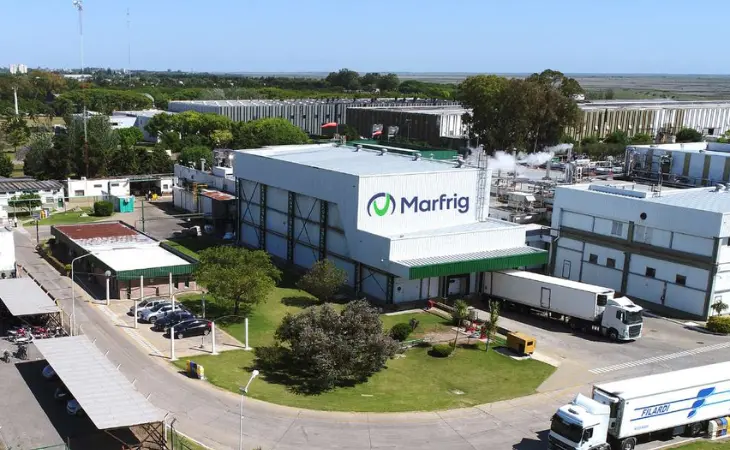
In the second quarter of 2025, three major players on Brazil’s stock exchange—Marfrig, Cemig, and Cosan—each reported results that reveal both the progress and the growing pains facing large firms in a shifting economy.
Together, their stories show how different sectors are coping with global and local challenges, from food exports to electricity to energy and infrastructure. Here’s who they are and what happened behind the headlines.
Marfrig: Steady Expansion as the Beef Giant Bets on Integration
Marfrig, one of the world’s leading beef producers, turned a net profit of R$85 million (about $15 million) in Q2, up 13% from last year.
This modest improvement happened even though the company’s operating profits (EBITDA) actually dropped by 11% to R$3.0 billion ($545 million). Yet, Marfrig’s results beat market expectations, as analysts thought profits would fall even further.
Revenue rose solidly to R$37.7 billion ($6.9 billion), with South American operations driving growth, and demand in the US making up nearly half of total sales.
Emerging markets, including the Middle East and China, contributed, but on a much smaller scale—together, these exports were less than 10%.
The big story at Marfrig isn’t just the numbers: it’s the bet on transformation. The company announced the creation of MBRF, marking the formal merger process with poultry and processed foods leader BRF.
Now, with the paperwork approved by shareholders, Marfrig faces the challenge of combining two food industry giants and extracting new value from their union—a test of both management skill and market timing.
Cemig: Cleaner Revenue Masking Tougher Challenges for the Utility
Cemig is a large, publicly-traded electricity distributor and generator that supplies power to much of Brazil’s state of Minas Gerais.
In Q2 2025, it posted a net profit of R$1.19 billion (about $216 million), almost 30% lower than a year before—profits were squeezed by both external pressures and internal costs.
Cemig’s headline revenue, however, grew by 15% to R$7.3 billion ($1.3 billion). This was helped by higher prices and more grid customers, but the gains hide some turbulence beneath the surface.
More and more, industrial and commercial consumers are buying power on the competitive “free market,” rather than sticking with Cemig—leading to falling volumes in those higher-margin segments.
Cost inflation was fierce. Cemig’s operating expenses soared 21% to R$6.3 billion ($1.1 billion), with a sharp jump in the price of electricity bought from others (the spot price soared about 300%) and more spending on distributed energy projects.
On top of higher energy bills, financial costs also worsened: Cemig swung from a R$305 million ($56 million) gain last year to a R$257 million ($47 million) loss as new debt issuances raised interest and monetary expenses.
As of June, the firm’s net debt was up to R$10.7 billion ($1.94 billion), reflecting major investment commitments ahead.
Cosan: Painful Losses as Diversified Group Struggles with Debt and Disruption
Cosan controls a diverse set of businesses, most notably through Raízen, a major producer of ethanol, sugar, and bioenergy.
The company posted a bruising net loss of R$946 million ($172 million) in the quarter, nearly four times last year’s loss. Revenue slipped by 2% to R$10.4 billion ($1.9 billion).
The numbers tell a story of deeper troubles. Cosan’s plunge was driven largely by heavy losses and high debt at its main holding, Raízen—a result that sent shares tumbling more than 12% after the announcement.
Raízen’s leverage hit 4.5 times its annual operating profit, a level considered risky by investors, prompting Cosan to sell assets, including two plants, and mothball another.
At headquarters, Cosan managed to cut operating and financial costs—halving its gross debt costs from last year and reducing its net debt to R$17.5 billion ($3.18 billion)—but these moves couldn’t offset the broader losses.
The quarterly debacle was also linked to unusual accounting hits, like the loss of tax credits and the exit from a stake in mining giant Vale.
Still, the Raízen crisis underscores a bigger story: in volatile commodities and high-debt businesses, shocks can quickly overturn years of gains, pushing even established groups like Cosan into defensive mode.
Live Company IntelligenceMarfrig Global Foods SA — the full investor dossier
Valuation & profitability
Price & risk
$14.4952-wk high
$26.83
Revenue trend · 6y
Ownership
Dividend
This article was produced by The Rio Times’ automated newsroom system. How we use AI · Report an error · Editorial responsibility: Matthias Camenzind, Editor-in-Chief
LatAm Markets: Live Signals → — real-time movers, turnover leaders and FX across Latin America.