Brazilian Court Halts Cemig’s Hydroelectric Auction, Challenging Privatization Efforts
A Brazilian court has nullified Cemig’s auction of 15 hydroelectric plants citing constitutional violations. This ruling, issued on January 13, 2025, disrupts the energy giant’s strategic divestment plans.
It also highlights the complexities of privatizing state-owned assets in Brazil. The annulled auction, conducted in August 2023, included 12 Small Hydroelectric Plants (PCHs) and 3 Hydroelectric Generating Plants (CGHs).
The court determined that Cemig, a state-controlled utility in Minas Gerais, failed to meet constitutional requirements for public asset sales, specifically the need for a referendum.
This decision directly challenges Cemig’s strategy to streamline operations and focus on larger-scale energy projects. This strategy aims to tackle Minas Gerais’ R$165 billion ($27.50 billion) debt.
However, financial markets are skeptical about the privatization’s feasibility. Cemig has announced its intent to appeal the ruling, emphasizing its commitment to pursuing legal remedies to sustain its divestment strategy.
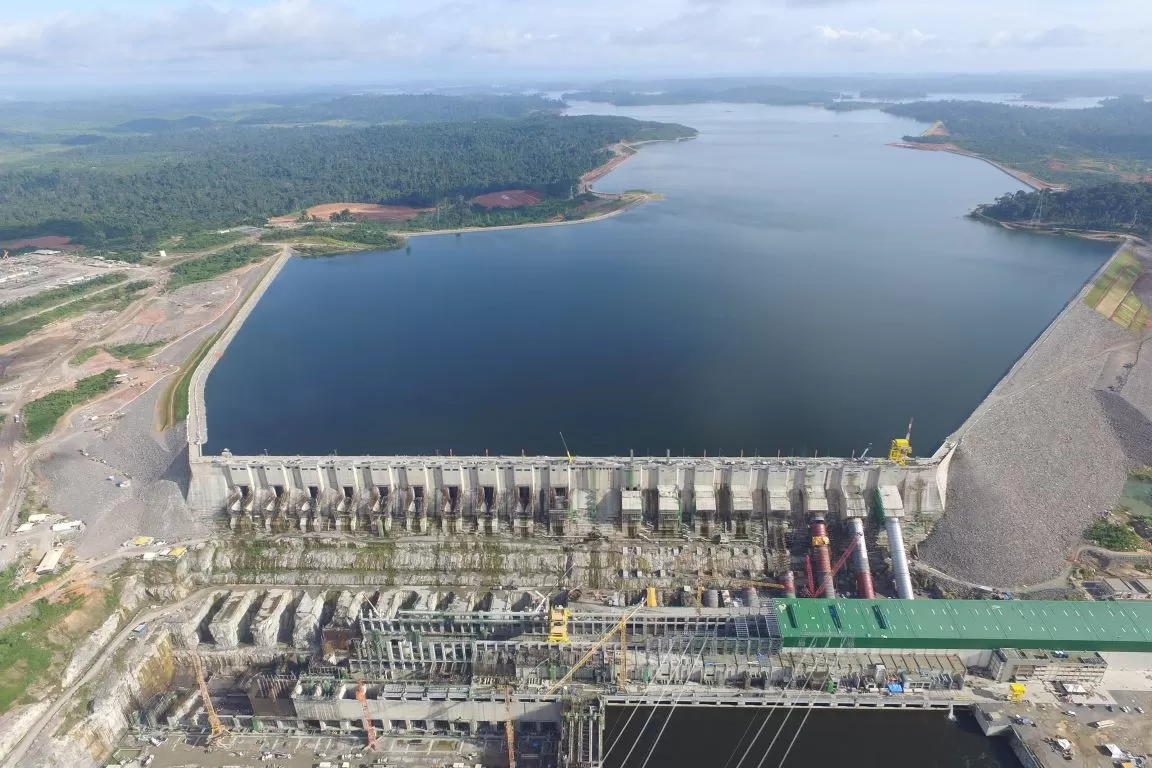
The company had aimed to use proceeds from the sale to strengthen its financial position and fund investments in renewable energy and infrastructure upgrades. The setback forces Cemig to reassess its approach amid growing scrutiny over public asset sales.
Cemig’s Legal Battle
This legal battle unfolds as Brazil’s energy sector undergoes significant transformation. The country is gradually liberalizing its electricity market, allowing more competition and consumer choice.
However, the court’s decision underscores the tension between privatization initiatives and regulatory safeguards designed to protect public interests. The annulment also raises concerns for investors and policymakers.
It introduces uncertainty into Brazil’s privatization framework, potentially deterring future investment in state-owned enterprises. Cemig’s case could set a precedent for similar disputes, complicating efforts to modernize Brazil’s energy infrastructure.
Cemig’s financial stability remains a focal point. The company reported robust profits in 2024 but continues to face challenges such as debt management and regulatory compliance.
Its broader investment plans include R$39.2 billion earmarked for renewable energy projects and grid modernization by 2029. These initiatives aim to position Cemig as a leader in Brazil’s transition toward sustainable energy.
As this legal dispute evolves, it reflects broader debates about the role of state-owned enterprises in Brazil’s economy.
For investors and policymakers alike, the outcome will offer critical insights into the future of privatization and regulatory governance in one of Latin America’s largest energy markets.
More: Brazil news in English, every day from The Rio Times.
This article was produced by The Rio Times’ automated newsroom system. How we use AI · Report an error
LatAm Markets: Live Signals → — real-time movers, turnover leaders and FX across Latin America.
Read More from The Rio Times