Lula Tells Trump to ‘Worry’ About Brazil’s Rare Earths
Politics
Key Facts
—The line. At a Planalto Palace meeting on 10 July, Lula said that if Trump worries about China, he can start worrying about Brazil too.
—The admission. In the same remarks he said he had thought Brazil was almost illiterate on the topic, and joked he does not yet know these famous rare earths.
—The plan. He announced a new council for the technological development of rare earths and critical minerals.
—The reserves. Brazil holds about 21 million tonnes, second only to China’s 44 million, against 1.9 million in the United States, on US Geological Survey figures.
—The catch. Brazil produces a tiny share of global output and, by its own reporting, has almost no refining, the high-value step.
—The goal. Lula said Brazil wants to export intelligence and knowledge, not raw material.
The Lula rare earths message this week was pure bravado, aimed straight at Washington. What made it interesting was the confession he attached to it.
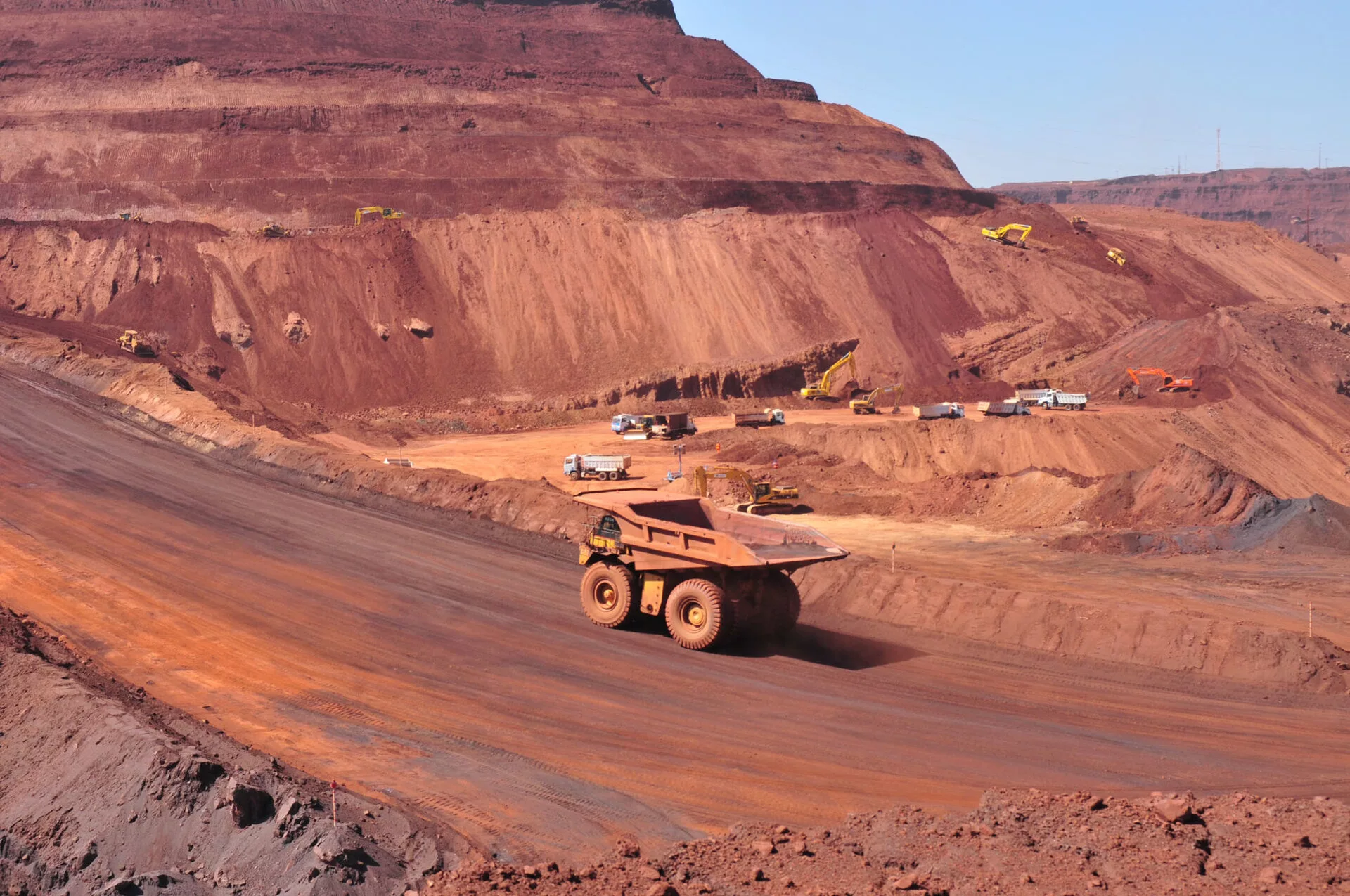
Brazil’s president gathered ministers and mining specialists at the Planalto Palace on Friday. The subject was what to do with the country’s strategic minerals.
Out of that meeting came a headline-ready challenge to Donald Trump. It also came with an unusually frank admission of how little Brazil has done so far.
What Lula said about rare earths
The provocation was direct. If Trump is worried about China, Lula said, he can begin to worry about Brazil, because the country will hold the ability to do the same things the Chinese do, or better.
He set out an ambition to match. Brazil does not want to be a seller of raw material, he said, but an exporter of intelligence and knowledge.
Then came the candour. He told the room he had arrived thinking Brazil was almost illiterate on the subject, and had changed his mind only after hearing the experts around the table.
He went further still, joking that this is what the country will do with those famous rare earths, which he said he does not yet know. It is not every day a head of state announces a strategy and his own unfamiliarity with it in the same breath.
Why the Lula rare earths boast has real weight behind it
The geology backs the bravado. According to the United States Geological Survey, Brazil holds around twenty-one million tonnes of rare-earth reserves.
That is second in the world, behind China’s forty-four million and far ahead of the United States. The American figure is under two million tonnes, which is why Washington has been courting Brasília for a year.
Lula also announced institutional muscle to match. A new council would steer the technological development of the sector, part of a broader critical-minerals policy already moving through Congress.
Where the Lula rare earths ambition runs into reality
Reserves are not the same as an industry, and this is where the confession matters. Brazil digs up only a sliver of the world’s rare earths despite holding a quarter of the reserves.
The harder gap is refining. Separating these seventeen elements into usable material is the high-value step, and it is the step China dominates.
Brazil’s own single commercial mine illustrates the bind. Serra Verde, in Goiás, is the only rare-earths mine operating in the Western Hemisphere, yet its concentrate has been shipped to China for separation under a processing arrangement.
So the country that wants to sell knowledge rather than raw ore currently sends its ore abroad to be turned into something useful. That is the exact dependence Lula’s speech promised to end.
The politics underneath the geology
Rare earths have become a live campaign issue in Brazil, not a technical footnote. Lula has spent months rejecting a United States proposal he judged would compromise sovereignty, insisting any deal put processing on Brazilian soil.
Washington, meanwhile, has gone around him. An American company bought Serra Verde this year, and United States officials signed a cooperation memorandum directly with the opposition-run state of Goiás.
That is the context for the jab at Trump. Framing Brazil as a coming rival, rather than a supplier, is a message for voters at home as much as for the White House.
For a foreign investor the read is about the distance between rhetoric and refining. Brazil’s reserves are real and its leverage is genuine, but until separation plants exist on its soil, the boast and the balance sheet point in different directions.
More: Brazil news in English, every day from The Rio Times.
Frequently Asked Questions
What did Lula actually say about Trump and rare earths?
Speaking at the Planalto Palace on 10 July, he said that if Trump worries about China, he can start worrying about Brazil, because Brazil will be able to do what China does or better. He added that the country wants to export intelligence and knowledge rather than raw material.
Does Brazil really have more rare earths than the United States?
Yes, by a wide margin. The US Geological Survey puts Brazil’s reserves at about twenty-one million tonnes, second only to China, while the United States holds under two million tonnes, though reserves are not the same as production or refining capacity.
Why can’t Brazil compete with China yet?
Brazil has vast reserves but produces only a small share of global output and has almost no refining capacity, which is the high-value stage China controls. Its one commercial mine has shipped concentrate to China for separation, the very dependence Lula says he wants to end.
This article was produced by The Rio Times’ automated newsroom system. How we use AI · Report an error
LatAm Markets: Live Signals → — real-time movers, turnover leaders and FX across Latin America.
Read More from The Rio Times