Lucrecia Martel Turns an Argentine Murder Into Great Cinema
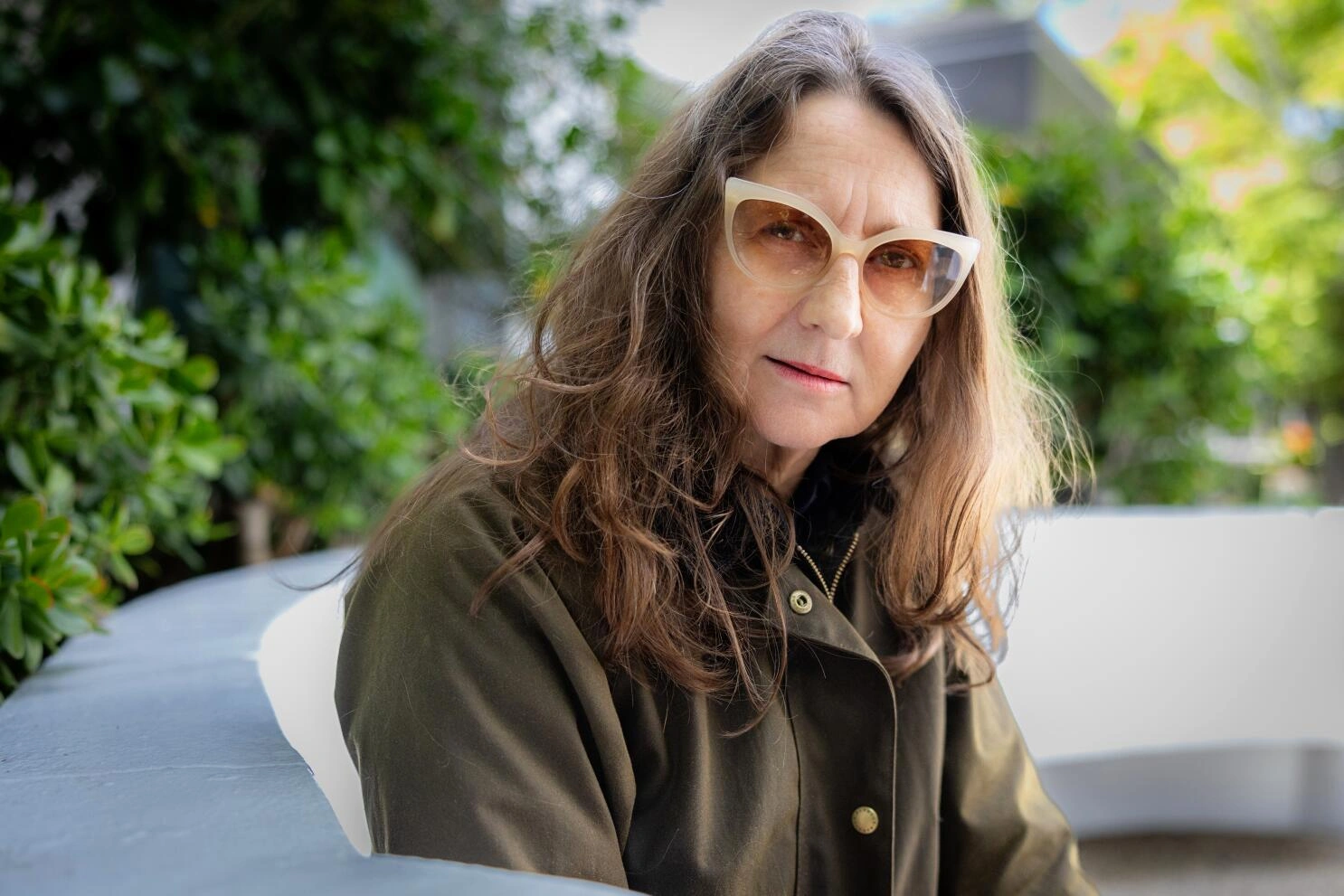
Metropole · Film
Key Facts
—Who. Lucrecia Martel is one of the most admired filmmakers in the world, and a leading light of Argentine cinema.
—The film. “Nuestra Tierra” is her first documentary and her first feature since the acclaimed “Zama” in 2017.
—The subject. It centers on the 2009 killing of Javier Chocobar, an Indigenous community leader in northern Argentina.
—In the making. Martel worked on the film for some fourteen years.
—The reception. It premiered at Venice in 2025 and won Best Film at the London Film Festival.
—Now showing. It opened in Argentine cinemas in March and has been touring festivals and arthouses worldwide.
The new Lucrecia Martel documentary, “Nuestra Tierra,” marks the long-awaited return of one of cinema’s most revered directors, who spent fourteen years turning a single act of violence in the Argentine north into a sweeping meditation on land, memory and who history chooses to believe.
A return nearly a decade in the waiting
For admirers of serious cinema, a new film by Lucrecia Martel is an event. The Argentine director is routinely named among the greatest living filmmakers, her work studied and adored well beyond her home country. So when “Nuestra Tierra,” whose title means “Our Land,” premiered at the Venice Film Festival last year and went on to win Best Film at the London Film Festival, it carried the weight of expectation that had been building since her last feature, the colonial drama “Zama,” appeared back in 2017.
The film opened in Argentine cinemas in March and has since travelled the international festival circuit, drawing reviews that treat it as one of the most important works of the year. What makes it doubly notable is that it is something new for Martel: her first feature-length documentary, after a career built on fiction. As she has wryly put it, she began the project around 2010, which makes the celebrated “Zama,” released in between, almost a detour.
The story at the center of the Lucrecia Martel documentary
At the film’s heart is a single, terrible event. In October 2009, in the highlands of Tucumán province in northern Argentina, a man named Javier Chocobar was shot dead. Chocobar was a leader of the Chuschagasta, an Indigenous community whose right to the land they live on had long been contested. He was killed during a confrontation as a local landowner, accompanied by two former police officers, tried to force the community off that land. The entire encounter was caught on video and later posted online, an unusually direct piece of evidence in a case that might otherwise have vanished.
Even with that footage, justice moved at a crawl. It took roughly nine years of protest and pressure before the trial finally opened in 2018. Martel structures much of her film around that trial, weaving together the shaky phone video, testimony from Chocobar’s family and community, and sweeping aerial shots of the land itself. The result is part true-crime procedural, part elegy, and wholly her own.
What the film is really about
A killing and a trial are the spine of the story, but the film reaches for something larger. Martel uses this one case to ask a deceptively simple question: what does it mean to own land? Is ownership a piece of paper signed in an office, or is it centuries of a people actually living on a place? In her telling, the documents that dispossess the Chuschagasta are a kind of fiction, scripts for scenes that never happened, written by and for the people who benefit. Cinema, she suggests, can answer that fiction with a truer record.
That theme is not a departure for her so much as a culmination. Her earlier films, the celebrated trilogy set in her native Salta region and the historical “Zama,” circled the same wound: the long, unfinished story of colonialism in Argentina and the way it still shapes who holds power and who is pushed aside. With “Nuestra Tierra,” she steps out from behind fiction and points the camera directly at a real case, and at the racism and bureaucratic indifference she sees embedded in her country’s institutions.
Why a foreign viewer should care
You might wonder why a land dispute in a remote Argentine province should matter to someone in London or Munich. The answer is that the story Martel tells is not only Argentina‘s. The dispossession of Indigenous people, the gap between legal title and lived history, the slow grind of courts that arrive years too late, these are threads that run through the Americas and far beyond. Martel herself has said that filmmakers hold tools that are, in her words, cheaper and more potent than missiles, a way of making the invisible visible.
There is also the simple pleasure of watching a master at work. Martel is famous for a style that is sensory and immersive, built on unexpected sounds, off-kilter framing and a refusal to spell everything out. Critics who have seen “Nuestra Tierra” describe a film that grips and unsettles, that turns courtroom tedium and a grainy phone clip into something close to horror, and then into mourning. It is demanding, but it rewards attention in the way the best art does.
A place in Latin American cinema
The film also lands at a moment when Latin American cinema is fighting for its share of the world’s attention. Major festivals still hand the region relatively few slots, yet its directors keep producing work that critics rank among the year’s finest. Martel’s return, with a documentary that refuses easy comfort, is a reminder that the region’s filmmakers are not content to entertain; they are interrogating their own histories in public, on the largest stages available to them.
For viewers who can find it, on the festival circuit, in arthouse cinemas, and before long on streaming platforms in the region, “Nuestra Tierra” offers a rare combination: a gripping real story, a profound set of questions, and the unmistakable hand of one of the medium’s true artists. It was worth the wait.
More: Argentina news in English, every day from The Rio Times.
Frequently Asked Questions
What is “Nuestra Tierra” about?
It is a documentary about the 2009 murder of Javier Chocobar, an Indigenous leader in northern Argentina, and the long legal battle that followed. Director Lucrecia Martel uses the case to explore land rights, colonialism and how history is recorded and denied.
Why is this film a big deal?
It is Lucrecia Martel’s first documentary and her first feature since “Zama” in 2017, and she is regarded as one of the world’s finest directors. It premiered at Venice in 2025 and won Best Film at the London Film Festival.
Where can I watch it?
It opened in Argentine cinemas in March 2026 and has been touring international festivals and arthouse theatres. Distributors typically bring films like this to streaming platforms in the region within months of their theatrical run.
Connected Coverage
Cannes 2026 Latin American Cinema: A Selective Absence
Milei’s Deregulation Bill Stalls in Argentina’s Senate
This article was produced by The Rio Times’ automated newsroom system. How we use AI · Report an error · Editorial responsibility: Matthias Camenzind, Editor-in-Chief