Lesotho’s $6.2 Billion Kobong Project Bets on Hydropower and AI
LESOTHO · BUSINESS
Key Facts
—The deal. US firm Convalt Energy has signed a $6.2 billion agreement to build power and digital infrastructure in Lesotho.
—The scale. It is the largest investment commitment in the small kingdom’s history, worth nearly three times its annual output.
—The build. At least 1,200 MW of hydropower paired with a green-powered AI data centre, near the Kobong Dam.
—The shift. Lesotho imports about 45% of its electricity, mostly from South Africa, and wants to become a net exporter.
—The catch. The binding memorandum still depends on feasibility studies before construction can begin.
—The signal. It marks a return of American private capital to African infrastructure long dominated by Chinese state firms.
The Lesotho Kobong project is the largest investment ever announced in the mountain kingdom: a $6.2 billion plan by US firm Convalt Energy to pair 1,200 megawatts of hydropower with an artificial-intelligence data centre. The deal would turn a small electricity importer into a would-be regional hub, and it signals American capital returning to ground long held by China.
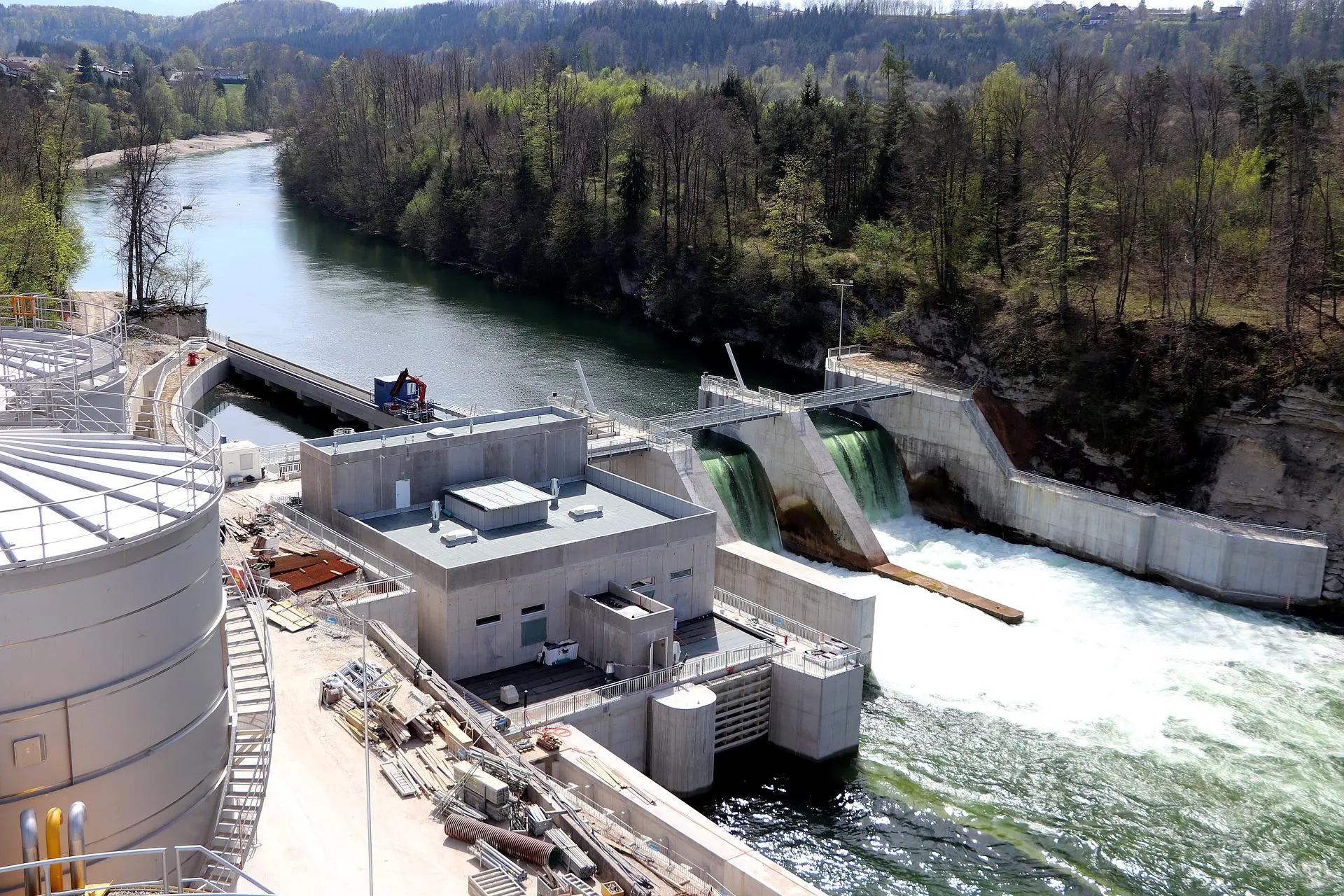
What the Lesotho Kobong project includes
Convalt Energy signed a binding memorandum of understanding with the Lesotho government in early June to build a hydroelectric plant and an AI data centre. The total investment is put at $6.2 billion.
The plan calls for at least 1,200 megawatts of renewable hydropower alongside a data centre powered by that green electricity. Both would rise near the Kobong Dam, in the mountainous Mokhotlong region of north-eastern Lesotho.
For one of Africa’s smallest economies, the numbers are striking. The pledge is the largest in Lesotho’s history, worth nearly three times the country’s gross domestic product of about $2.27 billion in 2024.
Government spokesman Boitelo Rabele said the project would place Lesotho “at the centre of two of the world’s fastest-growing sectors”, clean energy and digital technology. He cautioned that feasibility studies still have to be completed before any ground is broken.
Why pair a dam with a data centre
The pairing is the clever part. Data centres that train and run artificial intelligence are enormously power-hungry, and electricity has become the single biggest constraint on building them.
By building the power and the computing together, the Kobong scheme tries to solve both problems at once. A dedicated 1,200 MW supply means the data centre is not competing with homes and factories for scarce grid capacity.
The timing fits a wider boom. African demand for data centres is expected to grow between three-and-a-half and five-and-a-half times by 2030, according to a November 2025 report from McKinsey.
That demand is being driven by the spread of cloud computing, digitisation and AI across the continent. Clean, abundant power is the scarce ingredient, and Lesotho’s mountains and rivers offer plenty of it.
From importer to exporter
Lesotho today buys roughly 45% of the electricity it uses, mostly from neighbouring South Africa. The Kobong project is pitched as a way to flip that dependence.
If the hydropower is built at the promised scale, the kingdom could cover its own needs and sell the surplus across the region. That would be a meaningful change for a landlocked country often overshadowed by its larger neighbour.
Water is already Lesotho’s great natural asset, long channelled to South Africa under the decades-old Highlands Water Project. Turning more of that water into power, and power into data, would push the country up the value chain.
It would also give Lesotho a seat in the regional power market. Surplus electricity could feed the Southern African grid, where shortages have been chronic for years.
The government also points to jobs and local business. Officials say the scheme should stimulate development and draw further investment, though the gains depend on the project actually being built.
America’s return to African infrastructure
The identity of the investor matters as much as the price tag. Convalt Energy works in renewable-energy development, data-centre construction, solar-panel manufacturing and critical-mineral recycling.
Its arrival marks a return of American private capital to African infrastructure, a field that Chinese state-owned firms have dominated for years under the Belt and Road Initiative. A US company financing power and computing is a different model from the Chinese one of roads and railways.
That is the wider story behind the headline. The contest for influence in Africa is increasingly fought over energy and digital infrastructure, the rails of the next economy rather than the last one.
It is also a test case. If Convalt can deliver power and computing in a small, landlocked state, other investors may look at Africa’s overlooked markets with fresh interest.
For now, the caveats are real, and the feasibility work will decide whether the Kobong project becomes concrete or stays a memorandum. But the ambition itself shows how the map of foreign investment in Africa is being redrawn.
More: South Africa news in English, every day from The Rio Times.
Frequently Asked Questions
What is the Lesotho Kobong project?
It is a $6.2 billion agreement between Lesotho and US firm Convalt Energy to build at least 1,200 MW of hydropower and an AI data centre near the Kobong Dam. It is the largest investment commitment in the country’s history.
Why combine hydropower with an AI data centre?
AI data centres need vast amounts of electricity, and power supply is the main constraint on building them. Pairing a dedicated 1,200 MW hydropower plant with the data centre solves the energy bottleneck with clean power.
How big is the deal for Lesotho?
The $6.2 billion pledge is worth nearly three times Lesotho’s annual GDP of about $2.27 billion in 2024. The country currently imports roughly 45% of its electricity, mostly from South Africa.
Why does the investor matter?
Convalt Energy is a US company, and the deal marks a return of American private capital to African infrastructure long dominated by Chinese state firms. It reflects a contest increasingly focused on energy and digital infrastructure.
Connected Coverage
This story is part of our ongoing series, Africa: The New Scramble. For more on the great-power contest over the continent’s resources, read our investigation into conflict coltan flowing into global tech, and see why Nigeria’s capital inflows nearly doubled to $10.37 billion.
This article was produced by The Rio Times’ automated newsroom system. How we use AI · Report an error
LatAm Markets: Live Signals → — real-time movers, turnover leaders and FX across Latin America.
Read More from The Rio Times