Legal Dispute with Neighbor Closes “The Maze,” a Uniquely Carioca Destination
RIO DE JANEIRO, BRAZIL – Simultaneously operating as a Jazz bar, a Bed and Breakfast and a cultural center, The Maze, located in the Tavares Bastos favela community above Catete, is one of Rio’s most unconventional and iconic attractions.
Described by National Geographic as “unique and original,” The Maze was designed and built over ten years by an expatriate Englishman as a paean to his adopted home.
Subsequently, filmmaker, artist, musician and raconteur Bob Nadkarni and his architectural creation have established themselves as local landmarks. Visitors are directed to “a casa do Bob” (Bob’s house).
Despite this, The Maze was closed last May by a court order issued in response to legal action initiated by a neighbor. Last week its inhabitants – Nadkarni, his wife, and son – were physically expelled from the building.

According to the neighbor, The Maze – and by proximity, their own house – are in imminent danger of collapse. Suddenly homeless, Nadkarni and his family find themselves in a seemingly interminable legal limbo, with no end in sight.
After a stint as a war correspondent, Bob Nadkarni arrived in Rio as a foreign correspondent for the BBC. A chance visit to what was then a recently abandoned farm – and the sight of its breathtaking vista – began what was to become a life-long relationship with the locale.
As the name suggests, the Maze is a rabbit warren of bedrooms and little kitchens, of terraces and communal spaces. Much of it is tiled in bright mosaics depicting local flora and fauna. Begun by Nadkarni in 1981, in keeping with the building style of favelas, it has evolved over time with new parts added as existing ones were refurbished.
Nadkarni describes his creation as an homage to the city he loves, located between the Atlantic forest and Guanabara Bay, bringing the artistic forms of both into its architecture. It could, he argues, be legitimately be described as the only truly Carioca house.
His film about the making of the house, with its first-ever favela art gallery, won the 1997 ‘Brasilidade’ film award – an honor hitherto reserved for Brazilians. As Nadkarni observes, with slightly bitter irony, “the government took it all over Europe to cultural interchanges.”
According to Nadkarni, the lawsuit is the latest salvo in a feud with a neighbor that has been raging for decades.
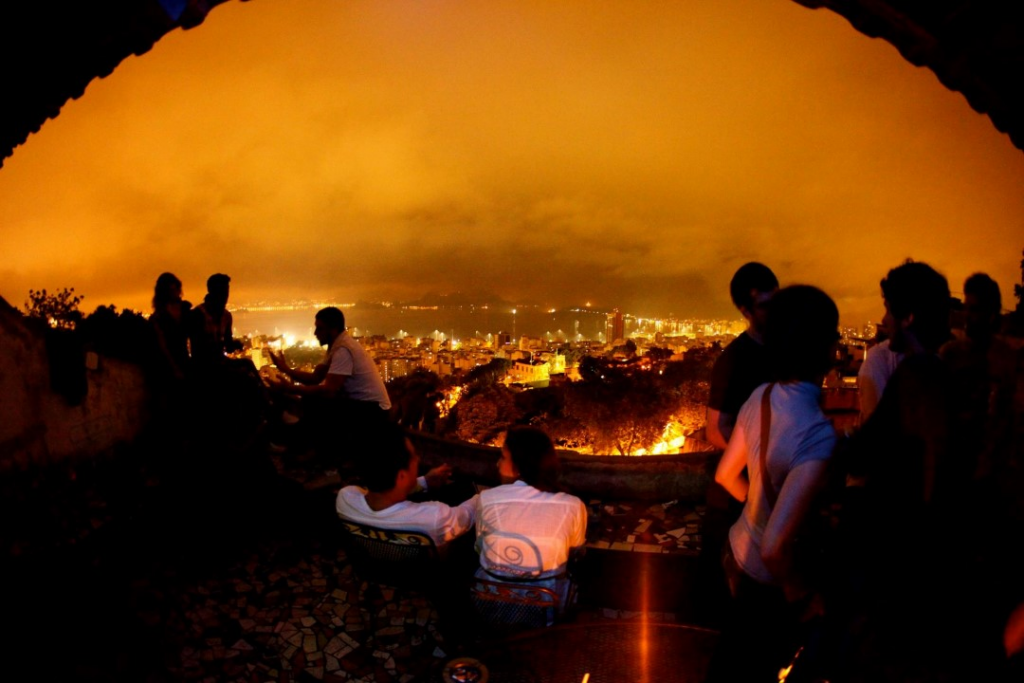
While Bob saw a small community where he could make a difference through basic health, education and culture, initiatives based in what was to become The Maze, he believes his envious neighbor only saw a rival for the status – and associated remuneration – of community leader.
While Nadkarni accepts that the Maze is indeed an “irregular” building, he points out it is hardly the only one in Rio de Janeiro. However, he categorically rejects the legal claims made by his neighbor that the Maze is in any danger of collapse.
He has, he claims, engineers’ reports – conducted over the fifteen years during which this complaint has been ongoing – that found no evidence of danger or defects in the structure.
Nadkarni also points to civic corruption and greed as a source of his problems:
“There are bars, restaurants, bakeries, hairdressers, building shops and car repair shops up on my thriving and peaceful hillside, which I fought for years to rid of drug traffic, guns and corrupt police. Only I have been singled out as ‘Irregular’ … meaning awaiting legalization.”
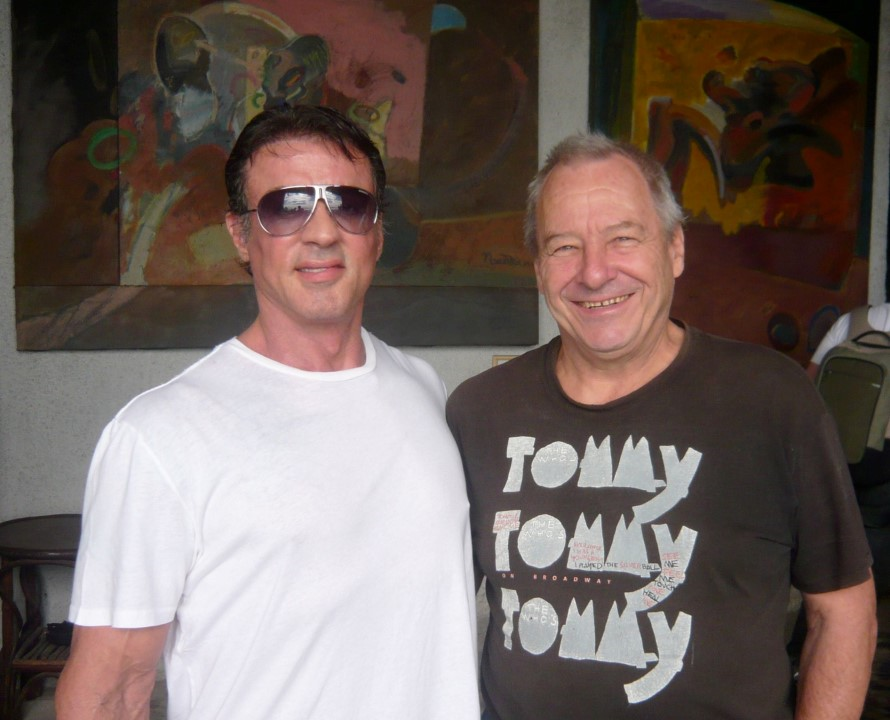
He believes the ultimate objective behind his ouster is to clear the hillside for hi-rise development, to cash in on the very view that seduced him so many years ago.
It remains to be seen how this Carioca version of a bureaucratically aggravated neighborhood feud will ultimately unfold. What is clear is that Rio de Janeiro will be the poorer for the loss of the quirky creation that is The Maze and its resident personality.
Editorial responsibility: Matthias Camenzind, Editor-in-Chief · Editorial standards · Report an error