Kenya’s US$2.6 Billion Infrastructure Fund Is Already Law
KENYA · PUBLIC FINANCE
Key Facts
- —The fund The National Infrastructure Fund, created by Act No. 4 of 2026.
- —The timeline Passed 5 March 2026, assented 9 March, in force 25 March.
- —The seed Sh340 billion (about US$2.63 billion), against a mobilisation target of Sh5 trillion (about US$38.7 billion).
- —Where it came from Sh103 billion from the Kenya Pipeline listing and proceeds from the Safaricom stake sale.
- —The rules No single project above 20% of the fund, no sector above 40%, at least 60% non-recourse project debt and a minimum 7% equity return.
- —The open question The Act does not address the Controller of Budget’s constitutional role, which the Auditor-General raised against the Bill.
Parliament closed most of the gaps the Auditor-General identified, including banning borrowing outright. The one it did not close is constitutional.
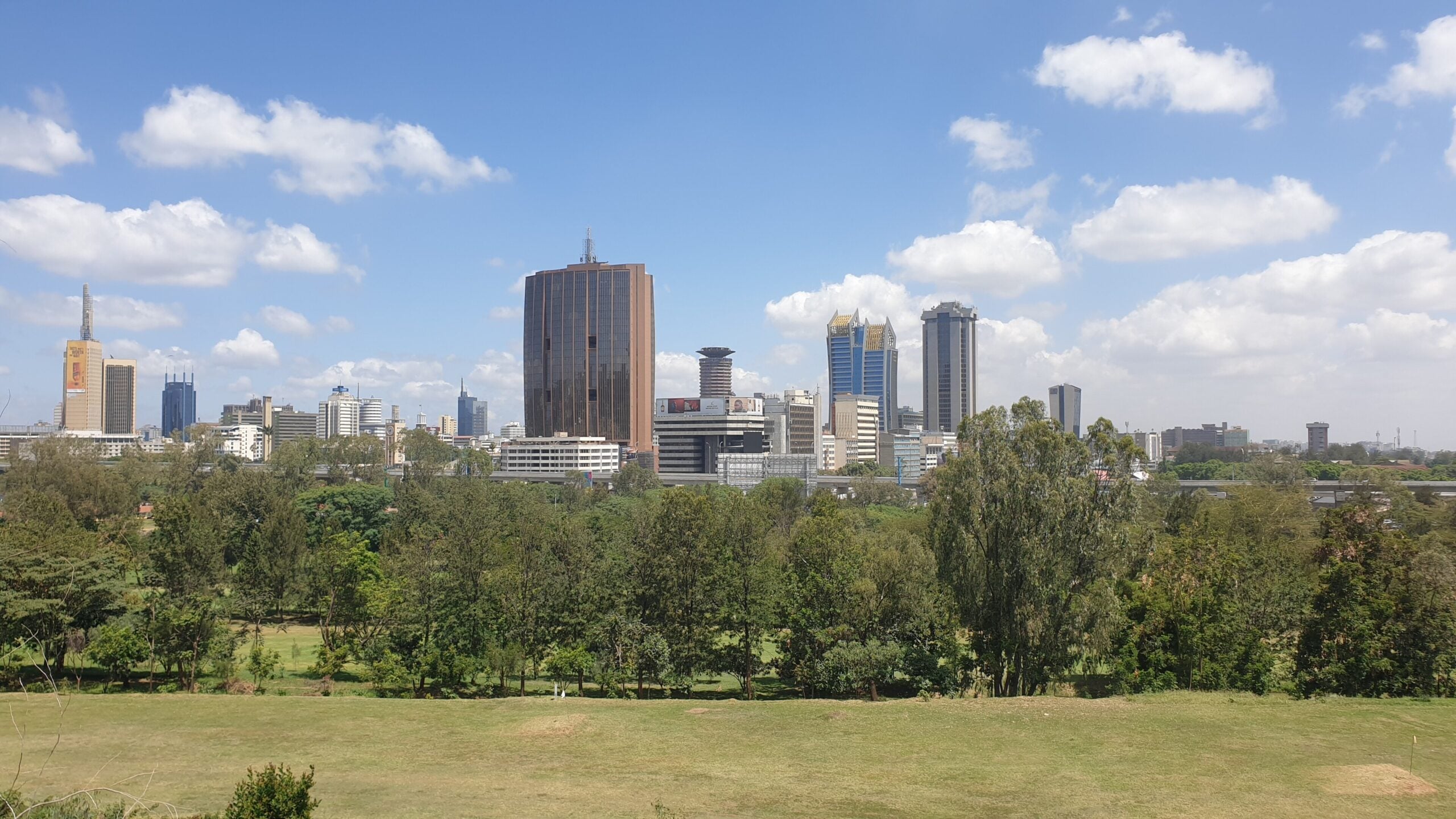
Kenya’s National Infrastructure Fund has been operating under statute since March, with Sh340 billion of seed capital and rules that are tighter than the Bill critics attacked, though one constitutional question remains unanswered.
What the Law Says
The fund was created by the National Infrastructure Fund Act, No. 4 of 2026. The National Assembly passed it on 5 March 2026, President William Ruto assented on 9 March and it came into force on 25 March.
It holds Sh340 billion (about US$2.63 billion) in seed capital against a stated mobilisation target of Sh5 trillion, about US$38.7 billion. The seed came from the sale of state assets: Sh103 billion (about US$797 million) from the Kenya Pipeline Company listing of 10 March 2026, and proceeds from the sale of a 15% Safaricom stake to Vodacom, which closed on 30 June 2026 and raised Sh244.5 billion.
What Parliament Changed
MPs amended the Bill before passing it. The Departmental Committee on Finance and National Planning, chaired by Molo MP Kuria Kimani, added a governing council chaired by the Cabinet Secretary for the National Treasury and including the central bank governor, the attorney-general and six non-public members with financial expertise on three-year terms.
Four independent directors are competitively selected by that council, the chief executive is competitively recruited on a four-year renewable term, and the Cabinet Secretary must submit the fund’s investment policy to the National Assembly, which has 90 days to approve, amend or reject it.
Misappropriation carries restitution of twice the amount taken plus a fine of not less than Sh10 million, about US$77,000, or imprisonment of not less than five years, or both. The Act also provides that the governing council shall not control operations and that the board shall exercise independence.
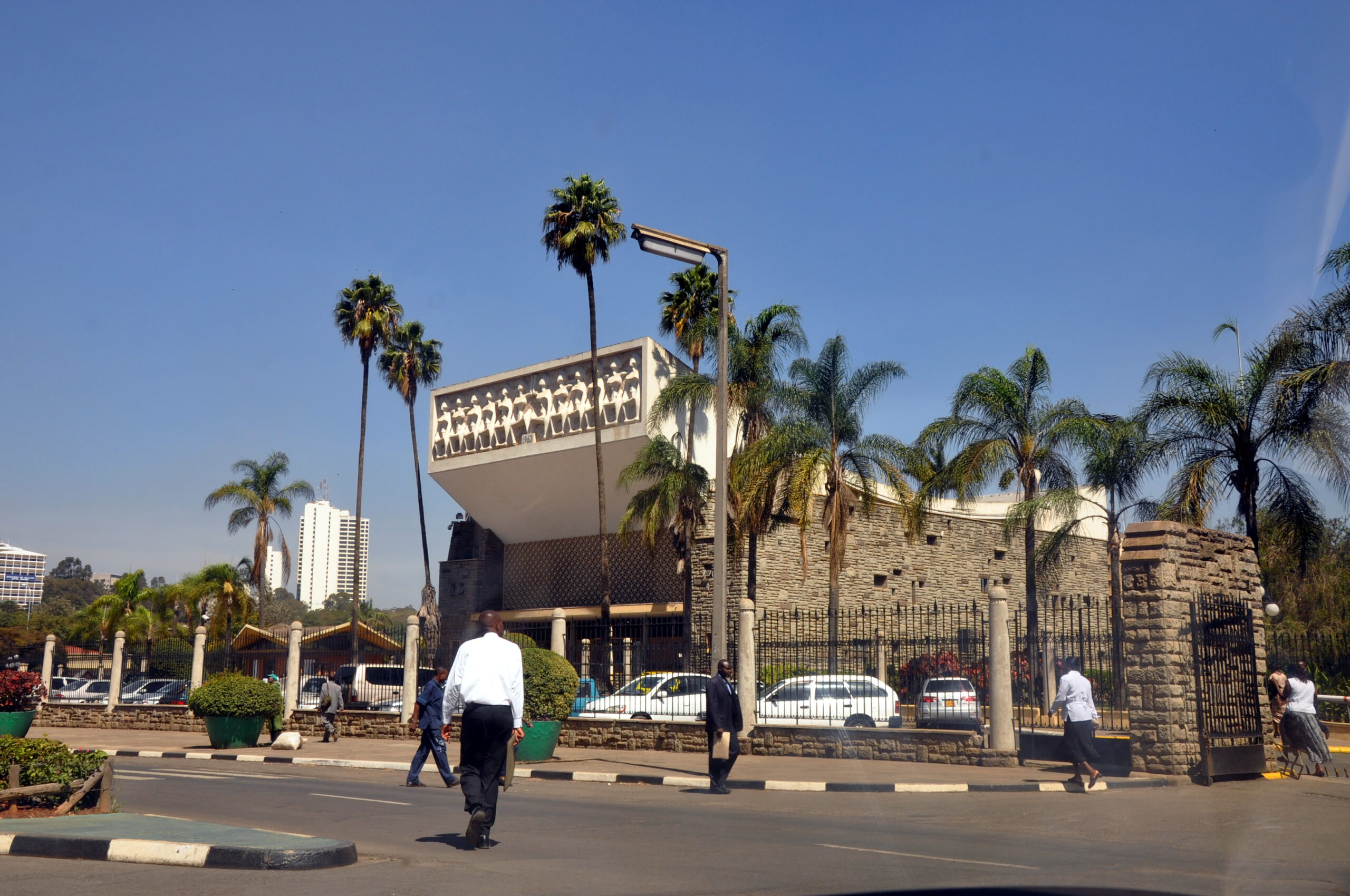
The Borrowing Question Was Closed
Auditor-General Nancy Gathungu told the finance committee on 24 February 2026 that the Bill contained legal gaps on borrowing, board composition, asset disposal, director remuneration, investment powers and procurement, and that one clause bypassed the Controller of Budget’s constitutional authority.
On borrowing the Act went further than her objection required. It provides that the board shall not borrow or take credit against its balance sheet, and that expenditure may not exceed the fund’s annual income together with any surplus brought forward.
That is an unusually hard constraint for a vehicle of this kind, and it is the answer to most of the criticism the Bill attracted.
What Was Not Closed
The Act does not directly address the Controller of Budget’s role. That office has a constitutional function in authorising withdrawals from public funds, and a fund capitalised from the sale of state assets sits close to that question without the statute resolving it.
The point will be tested when the first disbursements are made rather than in debate, and it is the live constitutional issue in the fund’s design.
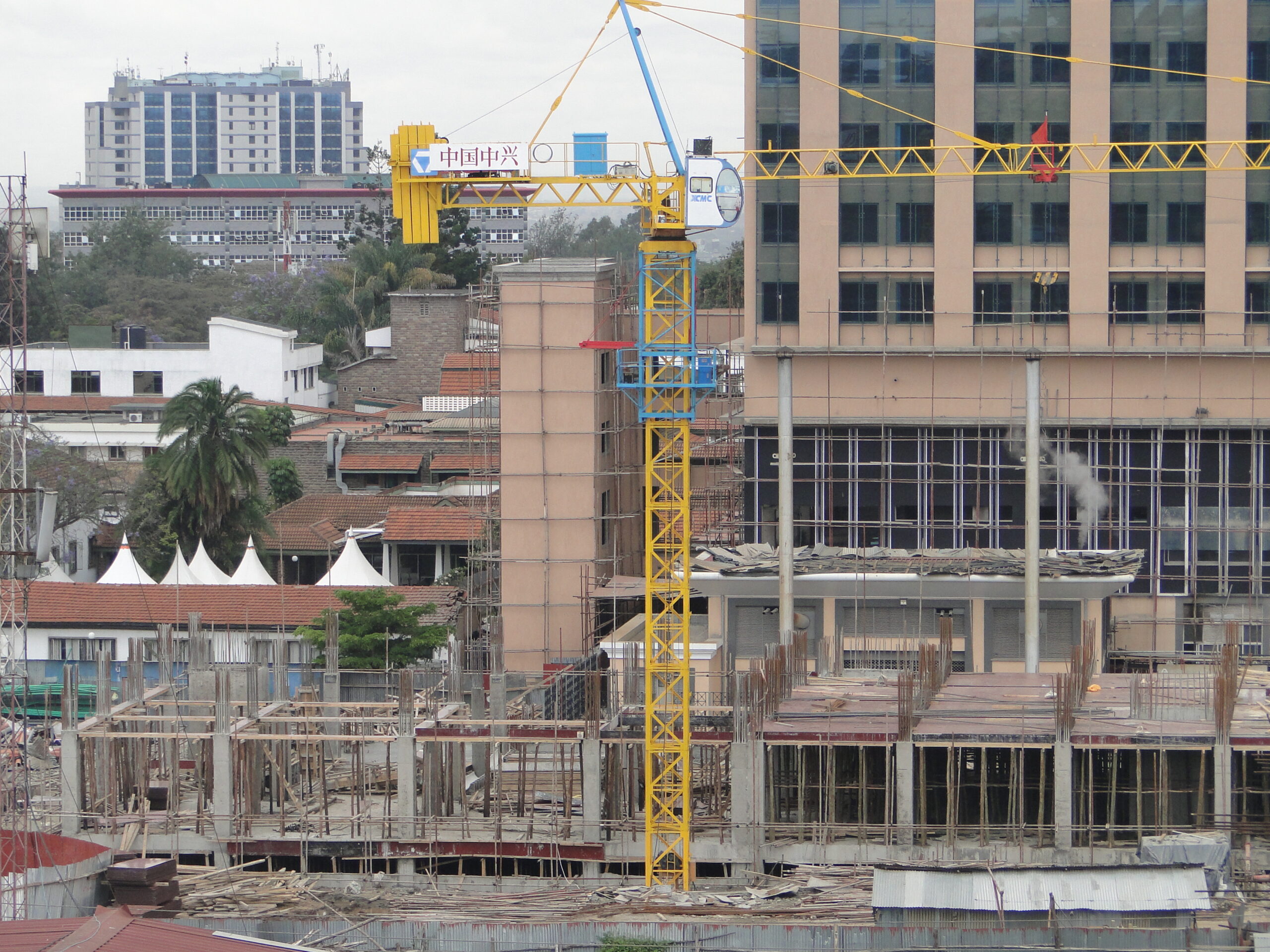
The Investment Rules
No single project may take more than 20% of the fund, which at Sh340 billion is a theoretical maximum of Sh68 billion, about US$525 million. No single sector may take more than 40%.
At least 60% of a project’s financing must be raised as non-recourse project debt, and the minimum equity return is 7%. The non-recourse requirement is the substantive part: it means lenders look to the project’s own cash flows rather than to the fund or the state.
The National Assembly has since approved Sessional Paper No. 7 of 2026 on the fund’s investment policy, so the approval mechanism Parliament built has already been used once.
What to Watch
The first test is which projects clear the 7% equity return and the 60% non-recourse debt requirement. Those two conditions together exclude most of what Kenyan governments have historically wanted infrastructure funds to pay for.
The second is the Controller of Budget question, which the statute leaves open and which will be answered by practice or by litigation rather than by the Act.
More: Africa news in English, every day from The Rio Times.
Frequently Asked Questions
What is the National Infrastructure Fund?
A statutory fund created by Act No. 4 of 2026, in force since 25 March 2026, with Sh340 billion (about US$2.63 billion) in seed capital.
Where did the money come from?
Sh103 billion from the Kenya Pipeline listing and proceeds from the sale of a 15% Safaricom stake, which closed on 30 June 2026.
Can the fund borrow?
No. The Act provides that the board shall not borrow or take credit against its balance sheet.
What are the investment limits?
No project above 20% of the fund, no sector above 40%, at least 60% non-recourse project debt and a minimum 7% equity return.
What remains unresolved?
The Act does not address the Controller of Budget’s constitutional authority, which the Auditor-General raised against the Bill in February 2026.
Sources: Kenya Law, Parliament of Kenya, Capital FM, The Standard, The Star, Business Daily Africa.
This article was produced by The Rio Times’ automated newsroom system. How we use AI · Report an error
LatAm Markets: Live Signals → — real-time movers, turnover leaders and FX across Latin America.
Read More from The Rio Times