Kenya Credit Bureau Queries Rise 23 Percent on Private Sector Loans
Kenya · MARKETS
Key Facts
- —What happened Kenya’s Credit Reference Bureau queries rose 23 percent to 47.3 million in 2025 from 38.6 million in 2024.
- —Who drove it Commercial banks and microfinance banks requested more credit reports to assess borrowers’ repayment capacity, the Central Bank of Kenya reported.
- —The rate backdrop Kenya’s policy rate was cut to 8.75 percent by April 2026 from 13 percent in June 2024, while average lending rates eased to 14.69 percent from a peak of 17.2 percent in October 2024.
- —The prior slump Private-sector credit contracted 1.37 percent to Sh3.86 trillion, about US$29.8 billion, in the year to December 2024, its first annual contraction since 2001.
- —What comes next Cheaper credit is expected to support firms as liquidity improves, though Kenya remains tied to global-rate and dollar-liquidity conditions.
Kenya CRB queries jumped 23 percent in 2025 to 47.3 million, signalling that banks are actively assessing borrowers again after a sharp private-sector credit slump in 2024.
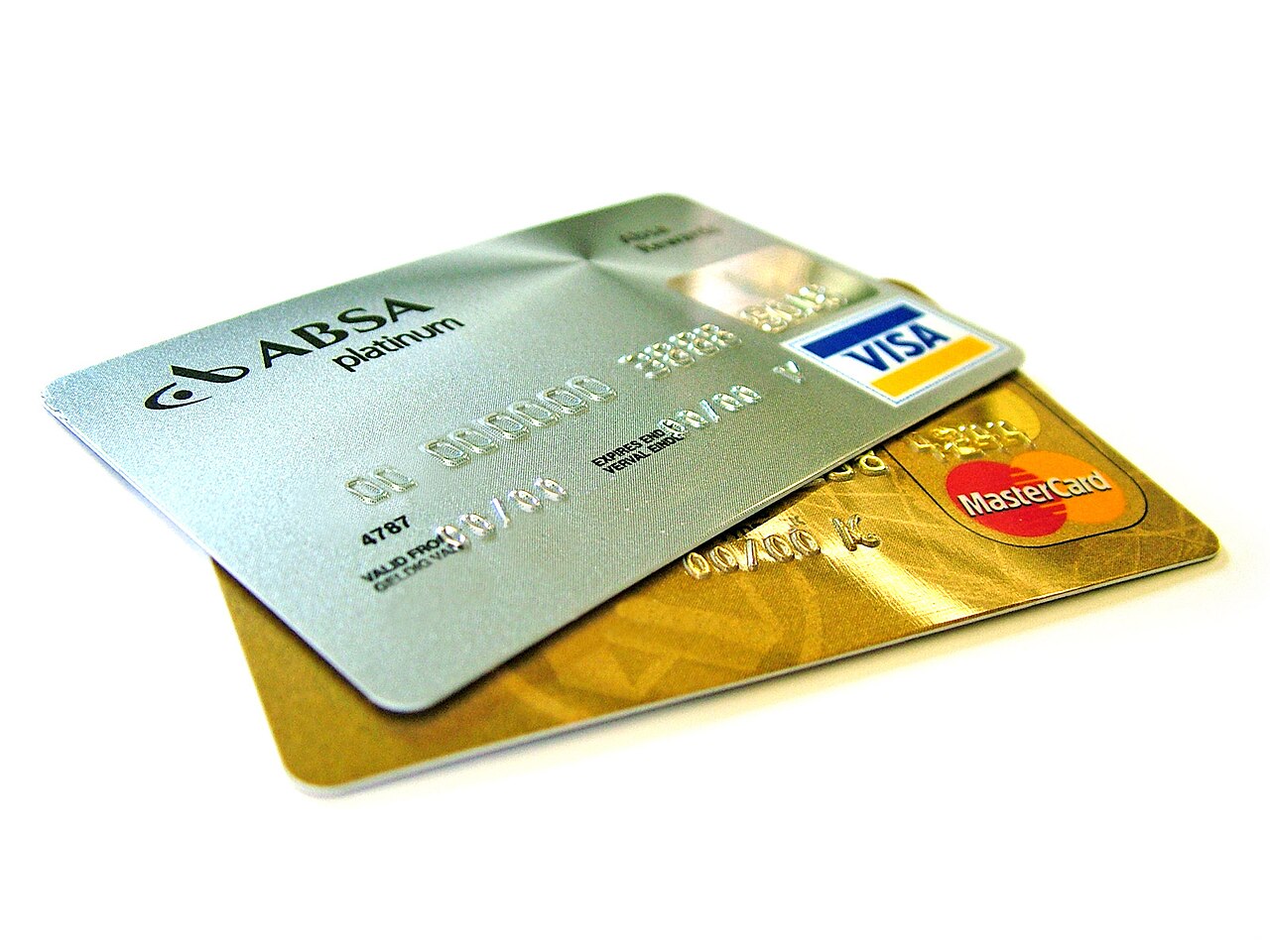
Kenya’s Credit Reference Bureau queries rose 23 percent in 2025 to 47.3 million from 38.6 million in 2024, as banks stepped up lending decisions amid a rebound in private-sector credit. The Central Bank of Kenya’s annual report attributes the increase to commercial banks and microfinance banks requesting more credit reports to assess borrowers’ repayment capacity.
What the Kenya CRB queries reveal about lending
The jump in credit reference checks is a direct signal that lenders are returning to the market. When banks pull a borrower’s credit history, they are usually preparing to price a loan or renew a facility.
The Central Bank of Kenya said the rise came from commercial banks and microfinance banks. Both groups were checking repayment capacity more frequently than they did in 2024.
That matters because credit reporting is a leading indicator. It shows intent to lend before actual disbursements appear in the money supply data.
The rate cycle behind the rebound
Kenya’s monetary policy has shifted sharply from tightening to easing. The policy rate was raised to 13 percent in June 2024, then cut in stages to 8.75 percent, where the Monetary Policy Committee left it on 8 April 2026.
Average lending rates followed the same path, easing from a peak of 17.2 percent in October 2024 to 14.69 percent in April 2026. Cheaper credit makes borrowing more attractive for firms and households.
The earlier tightening had choked lending. Private-sector credit contracted 1.37 percent to Sh3.86 trillion in the year to December 2024, its first annual contraction since 2001.
That contraction explains why the 2025 recovery in credit bureau activity is significant. Lenders are no longer sitting on their hands.
Who gains from cheaper credit in Kenya
Small and medium-sized businesses are the most direct beneficiaries of the shift. They rely heavily on bank credit for working capital and expansion.
Microfinance banks are also active in the new cycle. Their increased use of credit reports suggests they are reaching borrowers who were previously shut out.
For investors, the signal is that Kenya’s real economy may be regaining momentum. Credit growth typically leads hiring and capital spending by several quarters.
The East African and global read-through
Kenya’s financial system remains anchored to global-rate and dollar-liquidity conditions. When the United States Federal Reserve moves, Nairobi feels it through funding costs and currency pressure.
Even so, Nairobi is positioning itself as an East African trade and finance hub. A functioning credit market is central to that ambition.
The rebound in credit reporting fits the wider pattern covered in Africa: The New Scramble, where frontier markets are building domestic financial depth while navigating external pressures.
What to watch next in Kenya’s credit cycle
The key question is whether the rise in credit bureau queries translates into sustained loan growth. Early signs point to recovery, but the 2024 contraction shows how quickly conditions can reverse.
Fiscal pressure remains a risk. If the government borrows heavily at home, it could crowd out private-sector lending again.
External financing conditions are the other variable. A stronger dollar or higher global rates would tighten liquidity and test the recovery.
For now, the 23 percent rise in Kenya CRB queries is a concrete sign that lenders are back in the game. The next data releases will show whether borrowers follow through.
Frequently Asked Questions
How much did Kenya’s Credit Reference Bureau queries rise in 2025?
Kenya’s Credit Reference Bureau queries rose 23 percent to 47.3 million in 2025 from 38.6 million in 2024.
What caused the increase in Kenya CRB queries?
The Central Bank of Kenya said commercial banks and microfinance banks requested more credit reports to assess borrowers’ repayment capacity amid a rebound in private-sector credit.
What happened to Kenya’s lending rates before the rebound?
Kenya’s policy rate was cut to 8.75 percent by April 2026 from 13 percent in June 2024, while average lending rates eased to 14.69 percent from a peak of 17.2 percent in October 2024.
Connected Coverage
Sources
This article was produced by The Rio Times’ automated newsroom system. How we use AI · Report an error
LatAm Markets: Live Signals → — real-time movers, turnover leaders and FX across Latin America.
Read More from The Rio Times