Increased Cigarette Consumption Among Brazilians During Pandemic Is Alarming
RIO DE JANEIRO, BRAZIL – The concern about lung cancer rates, linked to smoking in 85 percent of cases, has become even more dramatic given the novel coronavirus pandemic.
According to a study by the Oswaldo Cruz Foundation (Fiocruz), conducted in partnership with the Federal University of Minas Gerais and the State University of Campinas, 34.3 percent of those interviewed who declared themselves smokers began to smoke more cigarettes per day during the social isolation period: 22.8 percent increased by ten, 6.4 percent by up to five and 5.1 percent by 20 or more daily cigarettes.
A total of 44,062 Brazilians, of both sexes, of all levels of schooling and of all age groups from 18 years old on were interviewed.

For clinical oncologist Bruno Ferrari, founder and chairman of the Oncoclínicas Group, increased smoking is related to the anxiety produced by this unprecedented moment in recent health history.
“Smoking is a public health problem that cannot be ignored, we need to reinforce the message that we need to overcome this battle against Covid-19 without leaving aside other precautions with our bodies. The fight against smoking can’t be abandoned, at the risk of having not only a wave of increase in the incidence of malignant neoplasms, among them lung cancer – which is closely related to this unhealthy habit – but also at least 12 other types of tumors,” he explains.
The data are disturbing and reinforce the relevance of anti-smoking campaigns aimed at raising awareness about avoidable deaths from cigarette smoking.
As an example, the Oncoclínicas Institute – an initiative of the Oncoclínicas Group’s clinical staff for health promotion, continued medical education and research – is launching an initiative to alert people to the importance of fighting smoking as an effective way to prevent lung cancer and other types of malignant tumors on the National Day Against Smoking (August 29th). The initiative will provide a positive approach on social media, showing the benefits felt by people who stop smoking.
The lung tumor is the third most common type of cancer in the world since 1985 and the fourth most common among men and women. Its global incidence could reach 1.8 million new cases per year, with 1.6 million deaths, according to the World Health Organization. In Brazil, over 30,000 people will likely be diagnosed with the disease in 2020, according to a survey by the National Cancer Institute (INCA).
Warning Signs
Another aspect that cannot be disregarded is the continuous surveillance of potential symptoms, which can be easily confused with the novel coronavirus, particularly among smokers. “The initial signs of lung cancer often resemble other common conditions associated with the respiratory tract, so it is rarely diagnosed in the early stage. Cough and shortness of breath, symptoms widely related to Covid-19, are also the main alert for lung cancer,” says Jacques Tabacof, oncologist at Oncoclínicas in São Paulo.
In this respect, he explains that some important differences should be noted: the dry cough in Coronavirus is associated with other symptoms such as fever, for instance, and also lasts for about 15 days. In lung cancer, when it appears, this symptom tends to be persistent and not improve after this period.
According to Tabacof, given the current scenario, with the novel coronavirus the center of concern of the whole population, classic signs of lung cancer are in danger of being ignored, as the search for specialized counseling and tests to ensure the diagnosis of the tumor is deferred to the future.
“The symptoms of lung cancer are typically more frequent at an advanced stage of the disease, which makes early diagnosis difficult, which is essential when we think about the chances of a cure. In addition to cough and shortness of breath, continuous chest pain, unreasonable weight loss, hoarseness that does not improve after more than seven days, and recurrent pneumonia are among the warning signs for this type of tumor,” comments the doctor.
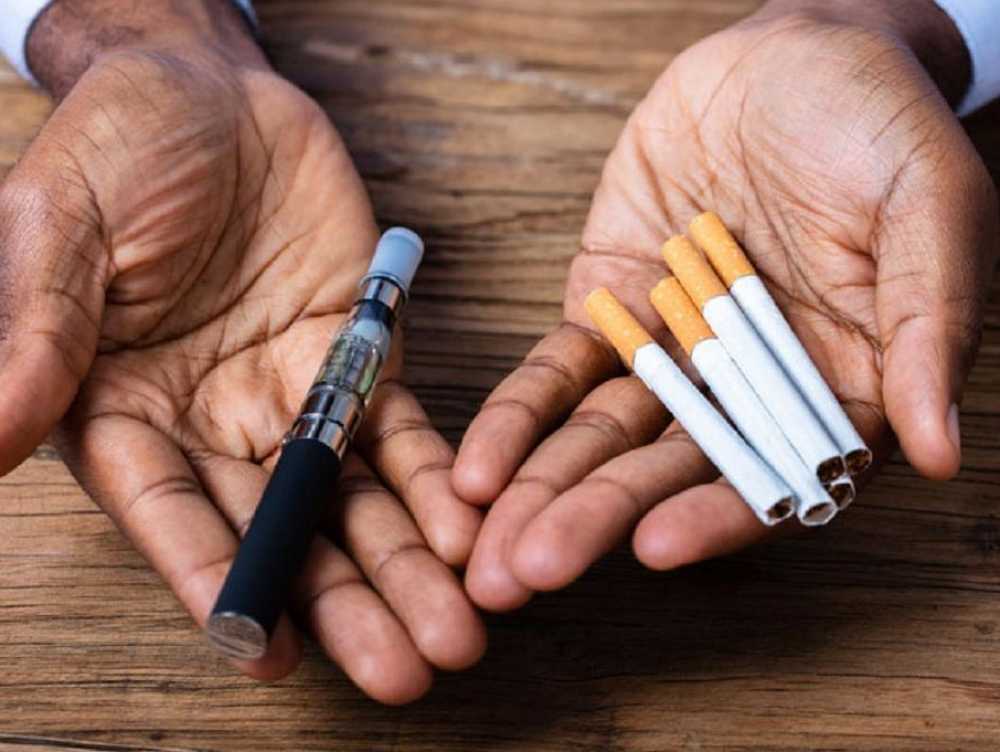
And, although many studies point to the harm caused by traditional cigarettes, the alternatives, such as light, electronic or shisha cigarettes, can also be damaging to health. As a result, experts highlight that yet another important alert needs to be made in relation to the so-called vape, which is growing in consumption, mainly among young people.
“There was a great setback. After years of reducing the number of smokers, mainly among young people – which is very important, as the majority of those who continue smoking started at this time of life – we also see a great increase in the number of people using electronic cigarettes. The technological appeal is among the factors that attract the youngest and it is necessary to make the population aware that even they are potentially toxic and lead to dependence,” stresses Bruno Ferrari.
Oncoclinics in the fight against smoking
With the motto “The best tip is to live well”, the campaign is aimed at raising awareness of abandoning smoking for a healthy and better life. Targeted at society in general, the Oncoclínicas Institute’s campaign highlights an important piece of information: it is never too late to quit smoking.
Only 20 minutes after stopping the addiction, the blood pressure returns to normal and the pulse rate drops to appropriate levels. In eight hours, the levels of carbon monoxide in the blood are regulated and the oxygen level increases. After 24 hours, the risk of having a heart attack decreases. And after 48 hours, the nerve endings begin to recover and the senses of smell and taste improve.
In up to three months, blood circulation improves and walking becomes easier with lung function recovering up to 30 percent. From one to nine months, symptoms such as coughing, hoarseness, and shortness of breath become more tenuous. In five years, the mortality rate from lung cancer of a person who smoked a pack of cigarettes a day decreases by at least 50 percent. Fifteen years after quitting smoking, the risks of developing lung cancer become almost equal to those of a person who has never smoked.
The initiative also aims to reinforce the importance of routine medical monitoring. Asymptomatic in early stages, lung cancer is commonly diagnosed late, which reduces the chances of cure. The INCA points out that only 16 percent of malignant tumors are diagnosed at an early stage.
In addition to being a risk factor for cancer and several other diseases, smoking is one of the habits that contribute to more severe forms of coronavirus infection.
More: Brazil news in English, every day from The Rio Times.
This article was drafted with automated assistance and reviewed before publication. How we use AI · Report an error · Editorial responsibility: Matthias Camenzind, Editor-in-Chief