IBOV 185,147.15 ▼ 0.02% IPSA 11,315.26 ▼ 1.14% IPC MEX 64,866.61 ▼ 0.87% MERVAL 3,049,121 ▼ 0.29% COLCAP 2,544.56 ▲ 0.40% BVL PERÚ 59,978.22 ▼ 0.31% USD/BRL5.12▼ 0.03% USD/MXN16.88▼ 0.03% USD/CLP933.68— 0.00% USD/COP3,124▼ 0.88% USD/PEN3.35▼ 0.01% USD/ARS1,509— 0.00% USD/UYU40.24▲ 1.33% USD/PYG5,947▲ 1.88% USD/BOB12.40▲ 3.56% USD/DOP59.00▲ 0.85% USD/CRC448.67▲ 1.78% USD/GTQ7.63▲ 2.28% USD/HNL26.84▲ 0.28% USD/NIO36.62▲ 0.07% USD/VES805.37▼ 0.90% USD/PAB1.00— 0.00% USD/BZD2.00— 0.00% USD/JMD 157.28 — 0.00% USD/TTD6.71▲ 1.02% EUR/BRL5.95▲ 0.91% BRENT 88.88 ▼ 0.03% WTI 83.11 ▼ 0.11% IRON ORE 161.91 — — COPPER 6.61 ▲ 0.03% GOLD 4,461 ▲ 1.78% SILVER 65.59 ▲ 1.26% SOY 1,184 ▲ 3.20% CORN 480.50 ▲ 10.02% WHEAT 655.00 ▲ 3.93% COFFEE 317.25 ▼ 5.51% SUGAR 16.43 ▼ 1.79% ORANGE JUICE 138.55 ▼ 0.47% COTTON 85.03 ▲ 2.33% COCOA 5,719 ▲ 3.18% BEEF 223.60 ▼ 3.93% CATTLE 339.10 ▼ 3.16% LITHIUM 75.20 ▲ 1.47% PETR4 41.64 ▼ 0.05% VALE3 72.97 ▲ 0.83% ITUB4 38.60 ▼ 1.03% BBDC4 16.85 ▲ 0.36% ABEV3 14.89 ▼ 0.80% BBAS3 19.37 ▲ 0.47% B3SA3 14.26 ▼ 0.21% WEGE3 47.59 ▲ 0.49% PRIO3 59.14 ▼ 0.19% SUZB3 41.33 ▲ 2.35% RENT3 34.68 ▼ 0.09% AZZA3 15.89 ▼ 2.63% CSAN3 3.22 ▼ 1.83% RAIZ4 0.25 — 0.00% PCAR3 2.75 ▼ 0.36% GMAT3 3.65 ▼ 1.08% PSSA3 48.13 ▼ 0.54% CVCB3 1.33 ▼ 2.92% POSI3 3.36 ▲ 2.44% SLCE3 13.34 ▲ 0.30% NATU3 8.14 ▼ 0.73% IBOV 185,147.15 ▼ 0.02% IPSA 11,315.26 ▼ 1.14% IPC MEX 64,866.61 ▼ 0.87% MERVAL 3,049,121 ▼ 0.29% COLCAP 2,544.56 ▲ 0.40% BVL PERÚ 59,978.22 ▼ 0.31% USD/BRL 5.16 ▲ 0.01% USD/MXN 17.06 ▼ 0.24% USD/CLP 913.98 ▲ 0.04% USD/COP 3,140 ▲ 0.03% USD/PEN 3.36 ▼ 0.66% USD/ARS 1,493 ▲ 0.10% USD/UYU 40.27 ▲ 1.24% USD/PYG 5,939 ▲ 1.68% USD/BOB 11.64 ▼ 0.76% USD/DOP 58.34 ▲ 1.25% USD/CRC 445.92 ▲ 0.89% USD/GTQ 7.62 ▲ 2.21% USD/HNL 26.79 ▲ 1.57% USD/NIO 36.62 ▲ 0.69% USD/VES 762.44 ▼ 0.13% USD/PAB 1.00 — 0.00% USD/BZD 2.00 — 0.00% USD/JMD 157.28 — 0.00% USD/TTD 6.70 ▲ 0.61% EUR/BRL 5.95 ▲ 1.01% BRENT 88.88 ▼ 0.03% WTI 83.11 ▼ 0.11% IRON ORE 161.91 — — COPPER 6.61 ▲ 0.03% GOLD 4,461 ▲ 1.78% SILVER 65.59 ▲ 1.26% SOY 1,184 ▲ 3.20% CORN 480.50 ▲ 10.02% WHEAT 655.00 ▲ 3.93% COFFEE 317.25 ▼ 5.51% SUGAR 16.43 ▼ 1.79% ORANGE JUICE 138.55 ▼ 0.47% COTTON 85.03 ▲ 2.33% COCOA 5,719 ▲ 3.18% BEEF 223.60 ▼ 3.93% CATTLE 339.10 ▼ 3.16% LITHIUM 75.20 ▲ 1.47% PETR4 41.64 ▼ 0.05% VALE3 72.97 ▲ 0.83% ITUB4 38.60 ▼ 1.03% BBDC4 16.85 ▲ 0.36% ABEV3 14.89 ▼ 0.80% BBAS3 19.37 ▲ 0.47% B3SA3 14.26 ▼ 0.21% WEGE3 47.59 ▲ 0.49% PRIO3 59.14 ▼ 0.19% SUZB3 41.33 ▲ 2.35% RENT3 34.68 ▼ 0.09% AZZA3 15.89 ▼ 2.63% CSAN3 3.22 ▼ 1.83% RAIZ4 0.25 — 0.00% PCAR3 2.75 ▼ 0.36% GMAT3 3.65 ▼ 1.08% PSSA3 48.13 ▼ 0.54% CVCB3 1.33 ▼ 2.92% POSI3 3.36 ▲ 2.44% SLCE3 13.34 ▲ 0.30% NATU3 8.14 ▼ 0.73%
since 2009
Saturday, September 5, 2026

Europe and Russia Defense Monitor

Europe’s Dilemma: Social Spending vs. Defense in the Face of New Threats

By · September 24, 2024 · 2 min read

Daily Brief

The morning intel from across Latin America. Free.

By subscribing you agree to our privacy policy. We never share your email.

The end of the Cold War brought a peace dividend to Europe, allowing countries to redirect military spending toward social programs.

European nations have saved an estimated €1.9 trillion since 1991 by keeping defense budgets below 2% of GDP. This shift has bolstered social welfare systems and funded infrastructure projects across the continent.

Germany exemplifies this trend, having saved €680 billion since reunification. The picturesque city of Görlitz showcases the benefits of these investments.

Restored baroque squares, free university education, and improved healthcare facilities have enhanced the quality of life for residents.

However, the war in Ukraine and pressure from the United States have forced European countries to reconsider their defense spending.
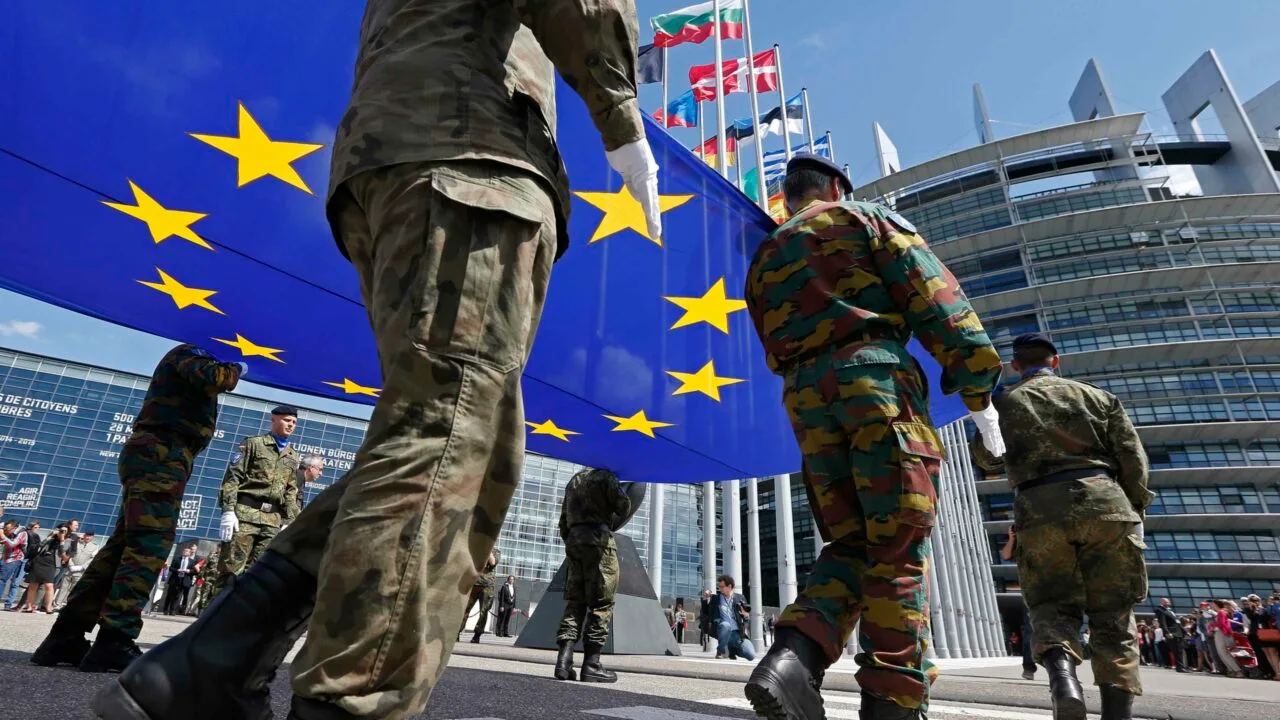
Europe's Dilemma: Social Spending vs. Defense in the Face of New Threats
Europe’s Dilemma: Social Spending vs. Defense in the Face of New Threats.
One-stop reference
Company Intelligence
Every listed company in Latin America — financials, ownership and structure for 1,450+ companies across 26 exchanges, in one place.
Browse the directory →
RT
Ask Rio Times
17 years of Latin America reporting, on demand.
Open the full Ask Rio Times →

NATO members face calls to increase military budgets to 2% of GDP, with some pushing for even higher targets. This shift presents a significant challenge for nations accustomed to prioritizing social programs.

Germany, Europe‘s largest economy, illustrates the difficulties of reversing course. The country’s military has shrunk dramatically since the Cold War era.

Today, Germany maintains just 180,000 soldiers, down from a combined 800,000 in East and West Germany during the 1980s.

Germany’s Defense Spending Debate

Defense Minister Boris Pistorius expresses frustration at the limited budget increases for the military. Despite a special €100 billion fund for rearmament, Germany struggles to meet NATO’s 2% spending target.

The country’s defense budget remains at 1.3% of GDP, with projections indicating it may fall short of goals in the coming years.

Political resistance to cutting social programs complicates efforts to boost military spending. German Economy Minister Robert Habeck argues that social expenditures are crucial for maintaining national unity and countering extremism.

This sentiment resonates with many voters who have grown accustomed to generous welfare benefits. The debate extends beyond Germany, with countries like Italy and Spain spending less than 1.5% of GDP on defense.

Only a few nations, such as Poland and the Baltic states, approach the 3% spending level advocated by some U.S. politicians.

Public opinion plays a significant role in shaping these decisions. Far-right and left-wing parties in Germany have gained support by opposing increased military spending and advocating for expanded social benefits.

This political landscape makes it challenging for governments to reallocate resources toward defense. The situation highlights the complex trade-offs between “guns and butter” that European nations now face.

As threats to security increase, policymakers must navigate the delicate balance between maintaining social cohesion and ensuring adequate defense capabilities.

The coming years will likely see continued debate and difficult choices as Europe adapts to a changing geopolitical landscape.

This article was produced by The Rio Times’ automated newsroom system. How we use AI · Report an error

Read More from The Rio Times

The Rio Times · Power Map
See who really holds power in Latin America
Click to open the Power Map

Rotate for Best Experience

This report is optimized for landscape viewing. Rotate your phone for the full experience.