
HONDURAS · MIGRATION
Key Facts
- The country Honduras is a Central American country bordered by Guatemala, El Salvador and Nicaragua, with coasts on the Caribbean and the Pacific.
- What happened Police arrested two men and a woman suspected of smuggling Hondurans to the United States through Guatemala and Mexico.
- Where The suspects allegedly operated from the Rivera Hernández neighbourhood of San Pedro Sula, the country’s second-largest city.
- The fee About US$7,070 as an upfront payment for the trip north.
- The charge Aggravated migrant smuggling, with the police findings sent to the Public Ministry, the state prosecutor.
- When The arrests were announced on Wednesday 14 October 2026.
Honduran police broke up a migrant smuggling ring that allegedly charged about 190,000 lempiras (about US$7,070) upfront to take people to the United States. The National Police announced the arrest of three suspects in San Pedro Sula, the country’s industrial hub, on Wednesday 14 October.
The group, which police call the Valdivieso structure, allegedly guided migrants through Guatemala and Mexico to the US border. For American readers, the case shows how the smuggling trade that feeds irregular crossings still recruits people inside Honduras itself.
How the Valdivieso Ring Worked
The migrant smuggling ring was dismantled by the Police Investigations Directorate (DPI), the force’s criminal investigation branch, through its transnational crime unit. Officers detained two men aged 41 and 21 and a woman aged 43.
According to the police statement, the three operated from the Rivera Hernández neighbourhood of San Pedro Sula. Investigators say the woman recruited migrants, organised the journeys, housed them in her home and collected the money.
One of the men allegedly arranged the legs of the trip inside Honduras and also received payments. The third suspect is accused of guiding the migrants himself through Guatemala and Mexico up to the US border.
Police said the group moved people on public transport and planned the trips by phone. Investigators also identified money movements through companies that send money abroad.
An Upfront Fee of About US$7,070
Police said the migrant smuggling ring charged about 190,000 lempiras (about US$7,070) as a first payment to take people to the United States. That conversion uses a rate of about 26.86 lempiras to the US dollar on 15 October 2026.
La Prensa, a San Pedro Sula daily, and Proceso Digital, a Honduran news site, carried the same details from the police. Police are investigating the three for aggravated migrant smuggling and have sent their findings to the Public Ministry, Honduras’ state prosecutor.
The case follows a similar arrest earlier this year. On 2 September, police reported the arrest of a Honduran woman and a Mexican man accused of charging US$12,000 to move migrants to the US.
Smugglers from Honduras also face justice north of the border. Honduran national Eliseo Henriquez-Joya, known as Cheyo, got six years in a US federal prison for helping smuggle about 188 migrants, US prosecutors said.
Hondurans Are Still Leaving
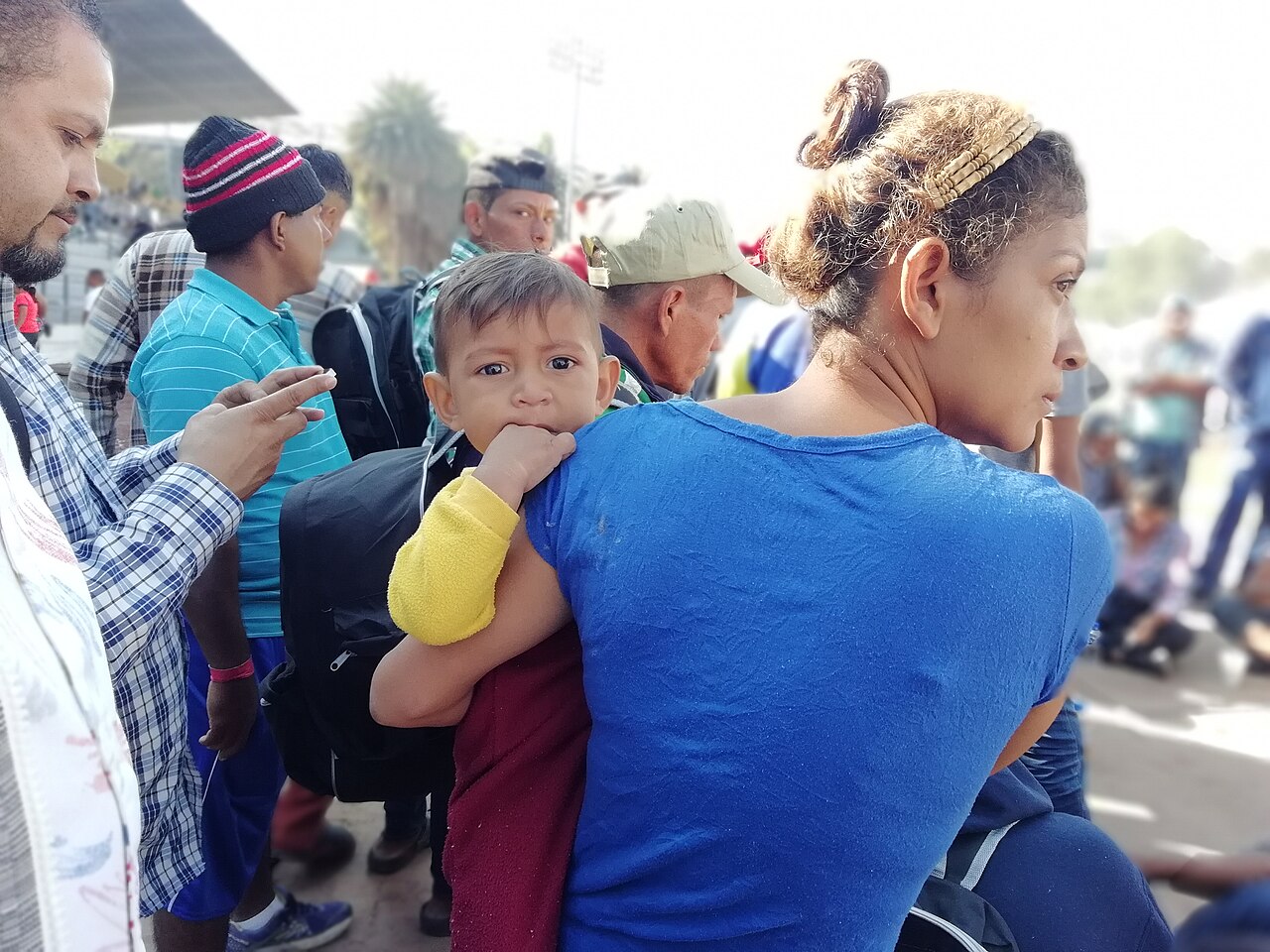
The arrests were announced a day after a new group of migrants set off from San Pedro Sula. Proceso Digital reported that almost 500 Hondurans left by bus on Tuesday 13 October for the Corinto crossing into Guatemala.
The travellers came from several parts of the country, including Tegucigalpa, Comayagua, Choluteca, Copán and Santa Bárbara, and organised the trip through social media. One 25-year-old from El Progreso told the site that the lack of work had pushed him to leave.
Lawmakers in Honduras’ single-chamber Congress are meanwhile weighing a tougher line on crime. They plan a vote on Monday 19 October on penal code reforms that toughen penalties for criminal and terrorist groups, Proceso Digital reported.
What It Means for You
For readers in the United States, the migrant smuggling ring is a reminder that the business starts in the migrants’ home towns. People are recruited, housed and charged thousands of dollars before they ever reach the US border.
US families asked to pay for a relative’s trip north should know that Honduran police treat such schemes as a serious crime. Payments sent through money transfer firms can become evidence in smuggling cases like this one.
What Is Not Known
Police have not released the names of the three suspects or the date of their first court hearing. They have also not said how many migrants the group moved or whether any of them reached the United States.
It is unclear how long the migrant smuggling ring had been operating and whether it worked with smugglers in Guatemala or Mexico. Police have not said whether US agencies took part in the investigation.
More: Honduras news in English, every day from The Rio Times.
Frequently Asked Questions
What is the Valdivieso migrant smuggling ring?
It is the name Honduran police gave to a group of three people arrested in San Pedro Sula on suspicion of aggravated migrant smuggling. Police say the group moved Hondurans through Guatemala and Mexico to the US border.
How much did the smugglers charge?
Police said the group charged about 190,000 lempiras (about US$7,070) as a first payment to take people to the United States. The full cost of a trip has not been disclosed.
Who carried out the arrests?
The arrests were made by the Police Investigations Directorate (DPI), the criminal investigation branch of the Honduran National Police. The case has been passed to the Public Ministry, the state prosecutor.
How do Honduran migrants start the journey north?
Some travel in groups by bus from San Pedro Sula to border crossings with Guatemala such as Corinto. Almost 500 people left the city on that route on Tuesday 13 October, Proceso Digital reported.
Sources: Policía Nacional de Honduras, 14 October 2026; La Prensa, 14 October 2026; Proceso Digital, 14 October 2026; Policía Nacional de Honduras (September case), 2 September 2026; US Attorney’s Office, Southern District of Texas, 7 October 2026; Proceso Digital (caravan), 13 October 2026; Proceso Digital (Congress), 14 October 2026.
This article was produced by The Rio Times’ automated newsroom system. How we use AI · Report an error · Editorial responsibility: Matthias Camenzind, Editor-in-Chief