HIV Infections Increase Among Elderly in São Paulo
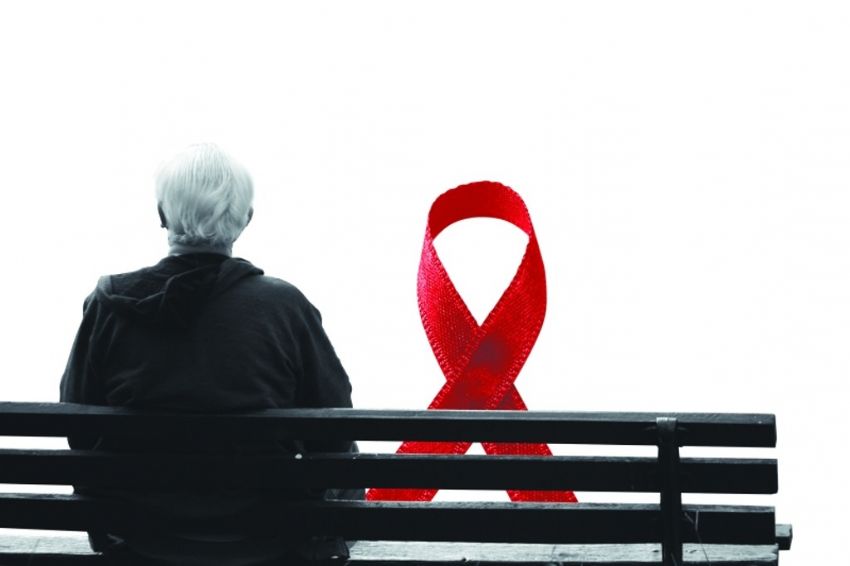
SÃO PAULO, BRAZIL – The number of HIV infections in the city of São Paulo has declined by a record number over the past year but has increased among the elderly, according to newspaper O Estado de S. Paulo. Although the most vulnerable group to the virus is still young men, the share of the population over 60 years of age was the only one, among adults, in which there was an increase in HIV cases, according to data from the Municipal Health Department.

In the overall scenario, the number of new infections in the São Paulo State capital decreased by almost 18 percent between 2017 and 2018, from 3,826 records to 3,145. The same reduction index was observed in the detection rate, which shows the number of infected people per 100,000 inhabitants. The indicator dropped from 32.7 to 26.8 in the analyzed period. It is the largest drop since 1996. Between 2016 and 2017, the detection rate had already dropped by 1.9 percent.
Among the elderly, the number of new cases increased 15 percent, from 92 in 2017 to 106 last year.
This is the first time since 2006 that the city has seen a decrease in the detection rate for two consecutive years. “The consecutive drop for the second year shows, in epidemiology, a more solid downward trend, and not just something temporary,” says Cristina Abbate, coordinator of the Municipal STD/AIDS Program of the City Hall.
According to Cristina and other specialists on the subject, the main factor for the significant reduction in the number of infections was the introduction of pre-exposure prophylaxis (PrEP), therapy with antiretroviral drugs offered to HIV-negative people as a preventive measure, in SUS. Generally, it is prescribed to the groups most vulnerable to infection, such as young homosexuals, sex professionals or couples where only one of the partners is HIV-positive.
“Several factors contributed to this decline, such as increased testing, condom supply, and a wider range of prevention options, such as post-exposure and pre-exposure prophylaxis. But if I were to point out the main factor, it was PrEP,” explains Cristina. The therapy began to be provided at SUS in January 2018 and is now used in the city by about 4,000 people.
“It was of paramount importance because it focuses on the most vulnerable groups. It’s a strategy that works, but it needs to be extended to more people, including the elderly,” said Gisele Cristina Gosuen, a consultant with the Brazilian Society of Infectious Diseases.
Elderly people
The specialist, in charge of the HIV Outpatient Clinic and the Aging Clinic of the Federal University of São Paulo (Unifesp), points out as causes for the increase of cases among the elderly a more active sexual life in this generation, enabled by drugs for erectile dysfunction and relationship Apps.
She emphasizes that HIV/AIDS public policies also need to include this population. “Talking to the elderly about sex is still a taboo. Prevention and treatment strategies are designed for young people. The elderly have other behaviors and health conditions that do not always allow them to start the treatment with the same medications as the young”, he said.
Social media
The experience of being diagnosed and living with HIV has been increasingly discussed on social media and YouTube channels. Developed by youths, the pages address the topic without judgment or taboo but do not conceal the challenges of treatment and the prejudice of society.
Lucas Raniel, a 27-year-old developer of HIV content, produced the first video on the topic two years ago on Facebook. With the repercussion, he launched a YouTube channel called ‘Falo Memo’. Now, he focuses his posts on Instagram. “People are not aware of how new technologies for treatment and prevention work, and do not have access to accurate information”.
He says he uses plain language to engage with his followers, mostly young men between the ages of 15 and 34. “I get a lot of terminology to humanize the speech on HIV and AIDS and reduce stereotypes and prejudice. I am not a carrier of the virus. I am a person who lives with HIV, I do not coexist with it. I have been growing on social media because of my unstigmatized speech and without terrorism.
According to Raniel, the contagion in the young population occurs due to multiple factors, ranging from misinformation to situations of vulnerability, such as people who have unprotected sex after excessive alcohol consumption. In Raniel’s case, contact with the virus occurred six years ago, when he drank at a party and went to the house of a boy he met in a relationship app. “I blacked out there. I was abused. It was shocking.”
Step by step
More than 39,000 people follow the daily life of the actor and YouTuber Gabriel Comicholi, 24 years old. In the HDiário, he shares information about the virus since he was tested positive three years ago. “The channel follows my trajectory in treatment. There was the first time I took the medication and when I told my mother. The plan is for it to be a diary. In addition to YouTube, he uses other platforms to talk about it, such as Instagram and Facebook. “There’s a different audience for each.”
A digital marketing strategist and content creator, João Geraldo Netto, 37, started producing content about life with HIV in 2008, although not professionally. “I realized I had feedback and this was getting me excited to do it with topics, pictures, inviting people for interviews”.
Three years ago, he founded the Super Indetectável (“Super Undetectable”) channel. “It’s a health communication strategy that I developed to reach more people. People didn’t sign up when they had HIV (by name). HIV is so stigmatized that people didn’t want to be associated with it.”
Source: O Estado de S. Paulo
More: Brazil news in English, every day from The Rio Times.
Editorial responsibility: Matthias Camenzind, Editor-in-Chief · Editorial standards · Report an error
Living in or visiting São Paulo? See this month's events and our São Paulo city guide with rents, safety and upcoming concerts.