Guatemala Ports Law Stalls as Quetzal Congestion Bites
Trade
Key Facts
The law meant to fix Guatemala’s port congestion by inviting private money in for the first time under modern rules keeps slipping out of reach in Congress, even as cargo piles up at terminals that can no longer move it quickly.
The bill at the centre of it carries an unglamorous name and large consequences. It’s called initiatives 6527 and 6541, and the General Law of the National Port System would create a single national port authority and, crucially, let private operators run terminals under concessions of up to 50 years — far longer than the roughly 20-year deals that are standard across Central America.
That length matters because dredging channels, installing gantry cranes and building specialised terminals only pay back over decades. Shorter contracts struggle to attract the capital such work demands, which is part of why Guatemala’s ports have aged while regional rivals modernised.
Why the Guatemala ports bill stalled
The momentum looked real in the spring. On April 7 the Congress cleared the unified text in its third debate with 118 of 124 votes present, according to the legislature’s own record, sending it into a final stage of article-by-article approval.
Then it jammed: a bloc of 28 proposed amendments — many touching port-security functions and demands from the unions at the Quetzal and Santo Tomás de Castilla terminals — sent the text back to committee. A special session on June 2, called to break the deadlock, produced nothing, and the legislature has now pencilled the next discussion in for July 28, close to the end of the extended session period.
The sticking point is power. The bill concentrates regulation, planning and oversight in one autonomous authority, replacing a patchwork of bodies, and lawmakers remain split over how much independence that authority should hold.
A port choking in real time
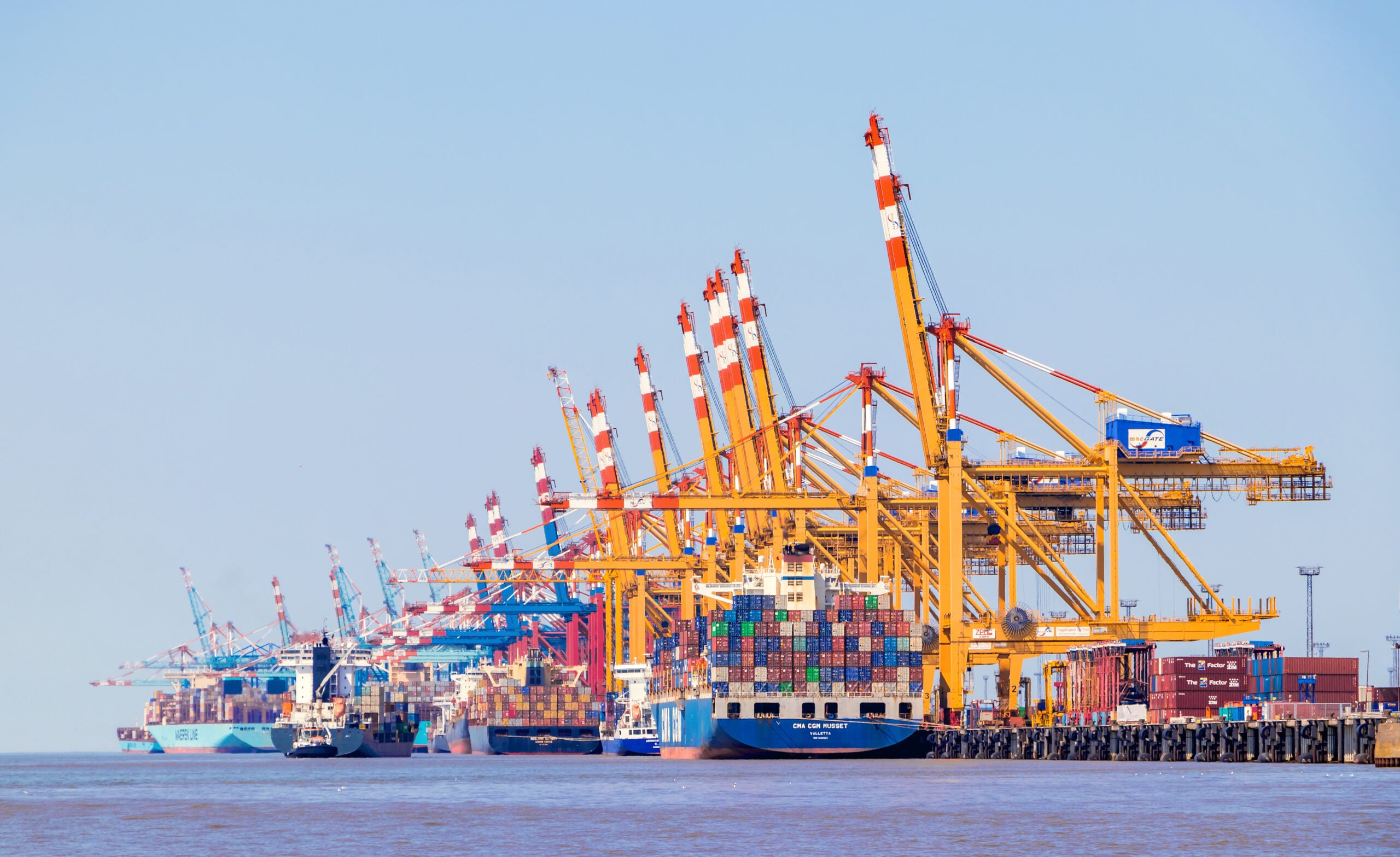
The delay carries a visible cost. Puerto Quetzal, on the Pacific coast, handles close to half the nation’s cargo, and the strain there is no longer abstract — in early May, 8 vessels sat at berth while 23 more waited offshore for a turn.
The imbalance is stark in the numbers, with imports far outpacing exports through the terminal and the queue lengthening as volumes climb. According to trade-body figures reported as the bill advanced, Guatemalan ports moved 9.2 million tonnes and more than 504,000 containers in 2024, a flow worth roughly US$7.8 billion.
Backers argue a modern legal framework could let the country double its export volumes over time. For the thousands of small exporters who ship perishable goods — vegetables, fruit, flowers, shrimp — the bottleneck is not a policy abstraction but a daily threat to whether their cargo reaches a buyer in time.
The legal vacuum behind the urgency
There is a deeper reason the reform feels pressing. A court had earlier struck down a port concession granted through a land-use arrangement, finding it lacked competitive bidding and overstepped the bodies that approved it, a model that had been used widely in Guatemalan port contracts.
That ruling left a hole where the legal basis for private port investment used to be. The new law is the attempt to fill it with clear, court-proof rules — which is why each month of delay keeps fresh capital sitting on the sidelines.
For an investor weighing Central American logistics, the read is simple. The demand is plainly there and the congestion is real, but the terms on which private money can enter remain unsettled until Congress finishes a job it has now postponed twice.
More: Latin America news in English, every day from The Rio Times.
Frequently Asked Questions
What would the Guatemala ports law change?
It would replace a decades-old patchwork of port bodies with a single national authority to plan and regulate the sector, and it would let private operators run terminals under concessions of up to 50 years — far longer than the roughly 20-year deals common in the region — to attract large-scale investment.
Why has the bill not become law yet?
It passed its third debate on April 7 with broad support, but then stalled over 28 pending amendments, several tied to port-security rules and union concerns. A June 2 special session failed to break the deadlock, and lawmakers have set the next discussion for July 28.
How bad is the congestion at Puerto Quetzal?
Puerto Quetzal handles roughly half of Guatemala’s cargo, and in early May 8 ships were berthed while 23 more waited offshore. The country’s ports moved 9.2 million tonnes and over 504,000 containers in 2024, a trade flow worth about US$7.8 billion.
Connected Coverage
Guatemala and US Collaborate to Expand Puerto Quetzal in Strategic Trade Move
Peru Court Backs the State in a Fight Over China’s Chancay Port
Guatemala Names New Prosecutor General, Ending 8-Year Porras Era
This article was produced by The Rio Times’ automated newsroom system. How we use AI · Report an error
Read More from The Rio Times