Grains: Soy, Corn & the LatAm Harvest — July 21, 2026

Key Facts
- Soybeans rose to 25.88 $ (+1.53% d/d) on the latest settled session dated [2026-07-20].
- Corn edged higher to 17.91 $ (+0.73% d/d) on the latest settled session dated [2026-07-20].
- Wheat fell to 24.99 $ (-1.03% d/d) on the latest settled session dated [2026-07-20].
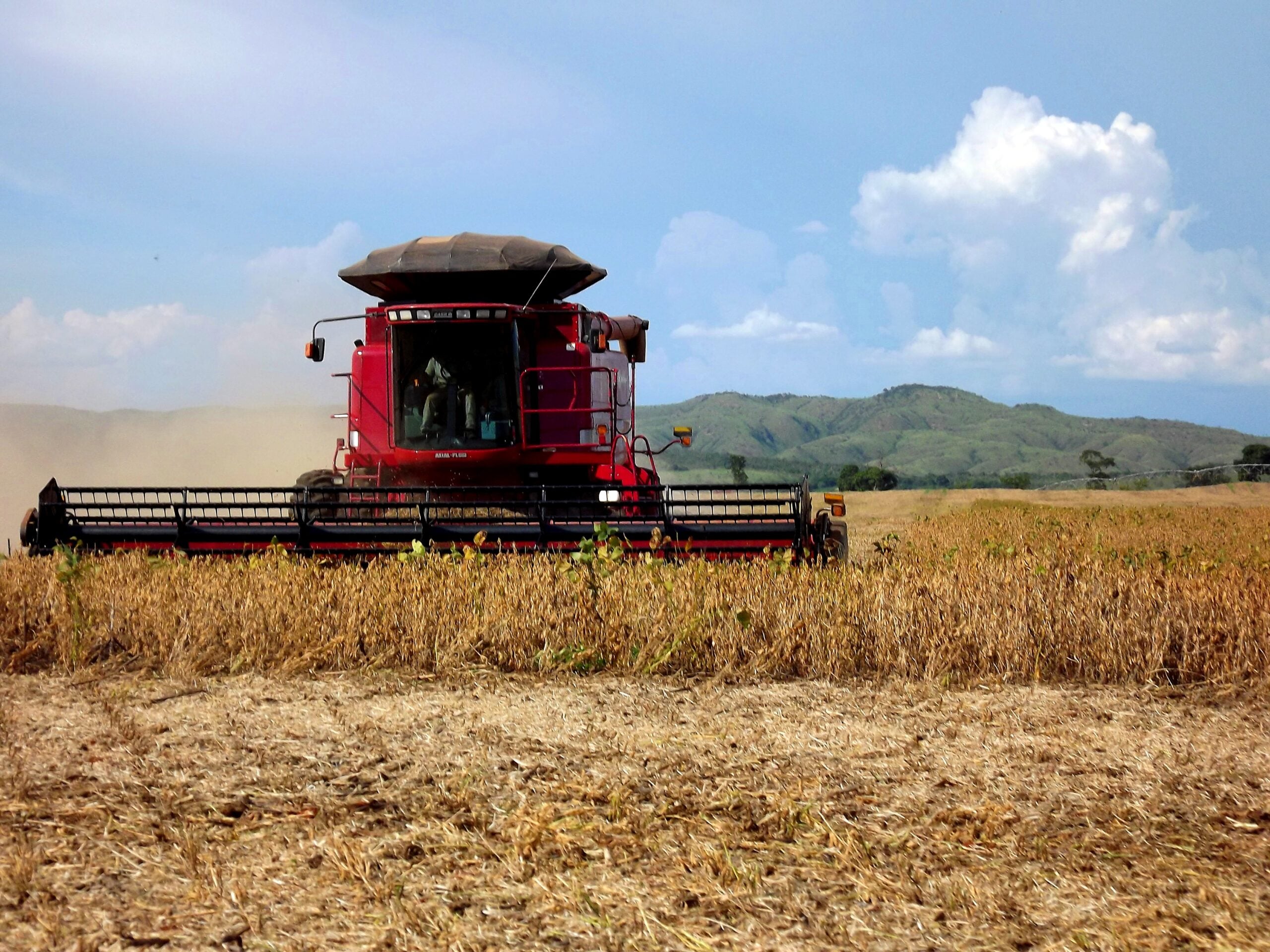
- Brazil remains a major export engine Brazil is expected to export a record 113.6 million metric tons of soybeans in 2026, according to Abiove.
- Argentina is also a key supplier the Rosario Board of Trade projected a record grain harvest of 158 million tonnes in 2025/26.
- China stays central to demand China’s MY2026/27 corn imports are expected to remain flat at 8 MMT, while soybean imports are projected to fall to 82.55 million tonnes in 2026.
Today’s Focus
Soybeans outperformed the other two main grain trackers, corn also gained and wheat slipped. The moves point to a market still balancing Chinese demand, South American supply and the currency backdrop that matters for exporters and importers.
For foreigners, the key idea is simple: Brazil and Argentina help set the world’s export rhythm, especially when harvests are large and the local currencies are weak. A weaker real or peso typically makes dollar-priced crops more competitive abroad, while a stronger currency can trim exporters’ returns in local terms. However, our reporting has shown that this relationship is not automatic; Brazilian farmers often hold back sales when the real weakens sharply, betting on further depreciation or higher premiums, which can temporarily tighten export pipelines even with record harvests.
China remains the biggest single demand story, but its buying pattern is not one-way. Official and industry sources point to firmer grain output, softer feed demand in some segments and lower soybean import expectations, which can cap rallies even when weather or logistics briefly tighten supply.
The session therefore reads as mixed rather than dramatic: soybeans benefited most, corn held steady in positive territory and wheat lagged. The next variable to watch is how quickly South American export flows meet Chinese buying.
What matters today. Brazil, Argentina and China still dominate the direction of grain prices, with currency moves amplifying each shift.
01 The session in one read
Soybeans finished the strongest of the three trackers, corn also closed higher and wheat ended lower on the latest settled session dated 2026-07-20. That combination suggests a market that is still trading crop-specific supply and demand rather than moving as one block.
For a hurried reader, the broad message is that the grain complex is being pulled in different directions. Soybeans are drawing support, corn is firmer but not surging, and wheat is under comparatively more pressure.
T
h
e
d
a
y
’
s
p
a
t
t
e
r
n
l
o
o
k
s
l
i
k
e
a
m
o
d
e
s
t
s
o
y
–
l
e
d
b
i
d
,
a
s
m
a
l
l
c
o
r
n
g
a
i
n
a
n
d
w
h
e
a
t
s
o
f
t
n
e
s
s
,
r
a
t
h
e
r
t
h
a
n
a
b
r
o
a
d
c
o
m
m
o
d
i
t
y
r
a
l
l
y
.
T
h
e
d
e
e
p
e
r
s
t
o
r
y
i
s
t
h
a
t
S
o
u
t
h
A
m
e
r
i
c
a
n
s
u
p
p
l
y
e
x
p
e
c
t
a
t
i
o
n
s
a
n
d
C
h
i
n
a
’
s
d
e
m
a
n
d
p
r
o
f
i
l
e
a
r
e
s
t
i
l
l
s
t
e
e
r
i
n
g
t
h
e
m
a
r
k
e
t
m
o
r
e
t
h
a
n
a
n
y
s
i
n
g
l
e
d
a
i
l
y
h
e
a
d
l
i
n
e
,
w
h
i
l
e
t
h
e
e
x
p
o
r
t
c
o
m
p
e
t
i
t
i
v
e
n
e
s
s
o
f
B
r
a
z
i
l
a
n
d
A
r
g
e
n
t
i
n
a
r
e
m
a
i
n
s
h
i
g
h
l
y
s
e
n
s
i
t
i
v
e
t
o
t
h
e
i
r
c
u
r
r
e
n
c
i
e
s
;
t
h
e
v
a
r
i
a
b
l
e
t
o
w
a
t
c
h
i
s
t
h
e
p
a
c
e
o
f
C
h
i
n
e
s
e
p
u
r
c
h
a
s
e
s
a
g
a
i
n
s
t
S
o
u
t
h
A
m
e
r
i
c
a
n
h
a
r
v
e
s
t
a
n
d
s
h
i
p
m
e
n
t
t
i
m
i
n
g
.
02 The board
The live board automatically provided by the platform shows the latest settled figures and should be read as the official price reference for this note. The exact closes are: Soybeans 25.88 $, Corn 17.91 $ and Wheat 24.99 $, all for 2026-07-20.
The daily moves were +1.53% for soybeans, +0.73% for corn and -1.03% for wheat. These are the figures to quote exactly, without rounding or adjustment.
| Asset | Level | Change |
|---|---|---|
| Soybeans (SOYB) | 25.88 $ | +1.53% |
| Corn (CORN) | 17.91 $ | +0.73% |
| Wheat (WEAT) | 24.99 $ | -1.03% |
Source: RT close, 2026-07-20. Where a commodity has no spot feed, an exchange-traded tracker or leading producer is shown as a labelled proxy.
Live Market IntelligenceThe live market board
Rio Times · Live Market Intelligence
Latin America — Cross-Market Board
| Instrument | Last | Change | YoY | Prev. | High | Low | Volume |
|---|---|---|---|---|---|---|---|
| IBOV | 208,295.98 | +1.57% | +21.85% | 205,079.25 | 168,310 | 167,142 | — |
| IPSA | 10,926.50 | -0.42% | — | 10,972.40 | 11,210 | 10,984 | 1,513,213,483 |
| IPC MEX | 69,727.44 | +1.04% | +12.17% | 69,010.67 | 66,121 | 65,405 | 108,886,187 |
| MERVAL | 3,017,221 | — | +30.51% | 3,022,485 | 3,042,365 | 2,991,150 | — |
| COLCAP | 2,533.22 | +0.47% | — | 9.04 | 9.05 | 9.02 | 4,133 |
| BVL PERÚ | 59,903.86 | -0.06% | — | — | — | — | — |
| USD/BRL | 5.16 | +0.01% | -5.13% | 5.16 | 5.18 | 5.14 | — |
| EUR/BRL | 5.95 | +1.01% | -5.83% | 5.89 | 5.98 | 5.94 | — |
| USD/MXN | 17.06 | -0.24% | -8.58% | 17.10 | 17.08 | 17.01 | — |
| USD/CLP | 913.98 | +0.04% | -5.67% | 913.65 | 915.11 | 906.68 | — |
| USD/COP | 3,140 | +0.03% | -22.04% | 3,139 | 3,141 | 3,105 | — |
| USD/PEN | 3.36 | -0.66% | -4.82% | 3.38 | 3.38 | 3.35 | — |
| USD/ARS | 1,493 | +0.10% | +12.96% | 1,491 | 1,494 | 1,480 | — |
| USD/UYU | 40.27 | +1.24% | +1.80% | 39.77 | 40.27 | 40.23 | — |
| USD/PYG | 5,939 | +1.68% | -19.54% | 5,841 | 5,939 | 5,925 | — |
| USD/BOB | 11.64 | -0.76% | +72.04% | 11.73 | 11.72 | 11.64 | — |
| USD/DOP | 58.34 | +1.25% | -3.44% | 57.62 | 58.34 | 58.04 | — |
| USD/CRC | 445.92 | +0.89% | -9.71% | 441.97 | 448.50 | 445.92 | — |
03 What moved it
China remains the most important demand anchor in the background. USDA data for China’s grain and feed outlook says MY2026/27 total feed and residual use of major grains is forecast to rise slightly to 290.7 MMT, corn production is expected to reach 305 MMT, corn consumption 323 MMT and corn imports to stay flat at 8 MMT.
At the same time, other sources point to softer soybean demand and a more cautious Chinese buying pattern. One report says China’s soybean imports may fall to 82.55 million tonnes in 2026, while another notes weaker feed demand, rising domestic output and lower import appetite across major grains.
04 The Latin American read
Brazil and Argentina remain the hemisphere’s export engine because their harvests feed the world’s trade lanes. Abiove expects Brazil to export a record 113.6 million metric tons of soybeans in 2026, while the Rosario Board of Trade projected Argentina’s 2025/26 grain harvest at a record 158 million tonnes.
Brazil’s 2025 grain harvest was a record 345.6 million tonnes, underlining the scale of supply from the region. For outsiders, the point is that large crops usually mean more exportable surplus, which can weigh on world prices unless demand, especially from China, absorbs it quickly.
05 The names to watch
Abiove is the key Brazilian industry group in the soybean story, and its 2026 export forecast is a major reference point. The Rosario Board of Trade is the main Argentine source in this package, with its 158 million tonne harvest projection shaping expectations for regional supply.
On the demand side, the Ministry of Agriculture and Rural Affairs in China, via the China Agricultural Outlook 2026–2035, and USDA’s China grain and feed annual are the most important official markers. Together they frame the tug of war between supply growth and import demand.
06 The outlook
The near-term outlook is for a market that stays sensitive to harvest progress, export sales and currency swings. If Brazil and Argentina move large volumes onto the export market while China buys cautiously, price strength could fade quickly; if Chinese purchases improve or weather disrupts logistics, soybeans and corn would usually react first.
07 What to watch
- China soybean buying: Soybeans are the clearest demand test because China remains the largest buyer and its import forecast has been revised lower.
- South American harvest pace: Brazilian and Argentine shipment timing will affect how much exportable supply reaches the world market in the next few weeks.
- Currency link: A weaker Brazilian real or Argentine peso tends to improve export competitiveness and can change the pace of sales abroad.
- Wheat relative weakness: Wheat underperforming soybeans and corn may signal ample supply or softer global milling demand compared with oilseeds and feed grains.
Frequently Asked Questions
Why do Brazil and Argentina matter so much?
They are major exporters of soybeans, corn and wheat, so their harvest size and shipping pace can shift world supply and price expectations quickly.
Why is China so important?
China is the biggest swing buyer for soybeans and a major importer of feed grains, so even small changes in Chinese demand can move global prices.
Why do currencies matter in grain markets?
Grains are priced in dollars internationally, so a weaker local currency can make exports more competitive and often encourages sales from Brazil and Argentina.
Why did wheat lag today?
The latest session shows wheat down while soybeans and corn were up, which usually means wheat had less immediate support from demand or supply headlines than the other two crops.
This article was produced by The Rio Times’ automated newsroom system. How we use AI · Report an error · Editorial responsibility: Matthias Camenzind, Editor-in-Chief
LatAm Markets: Live Signals → — real-time movers, turnover leaders and FX across Latin America.