Government Authorizes 63 More Pesticides; Registrations Reach 325 in 2019
RIO DE JANEIRO, BRAZIL – The Ministry of Agriculture registered on Tuesday, September 17th, another 63 pesticides. Out of this total, two are active ingredients (which will serve as basis for innovative products) and five are new products that will be put up for sale. The remaining 56 are generic pesticides that already exist in the market. The authorizations were published in the Federal Gazette.
With the new registrations, the total of pesticides released reaches 325, exceeding the volume of the same period in 2018, when there were 309. Thus, this year’s release rate continues to be the highest in the ministry’s historical series, which began in 2005.
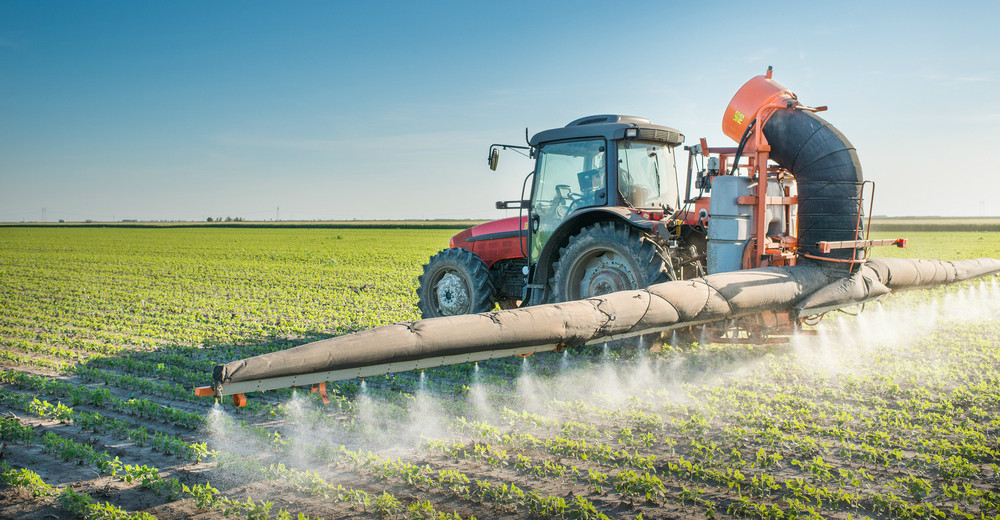
According to the government, of the total number of products registered in 2019, 310 are generic products and 15 are based on new active ingredients. Of the total number of products registered in 2019, 185 are technical products, that is, destined exclusively for industrial use.
Another 140 are formulated products, those that are ready to be purchased by rural producers upon the recommendation of an agronomist. Of these, 14 are biological and organic products.
New substances
Among the new products are the active ingredients fluopiram, which is used to kill fungi, and dinotefuram, an insecticide. They will be used by industry, which will be able to develop products from these substances to the farmer (the so-called formulated product).
In the case of fluopiram, at the same time, it was already released as a line of formulated products for use in crops.
The dinotefuram is used on the control of sucking insects, such as bed bugs. It can be applied on 16 different crops: rice, oats, potatoes, coffee, sugar cane, rye,
barley, citrus, beans, millet, corn, pasture, soy, tomato, wheat, and triticale.
It is considered moderately toxic by the National Health Surveillance Agency (ANVISA). The pesticide is not authorized for use in the European Union and is under re-evaluation in the United States, where it has been used since 1985.
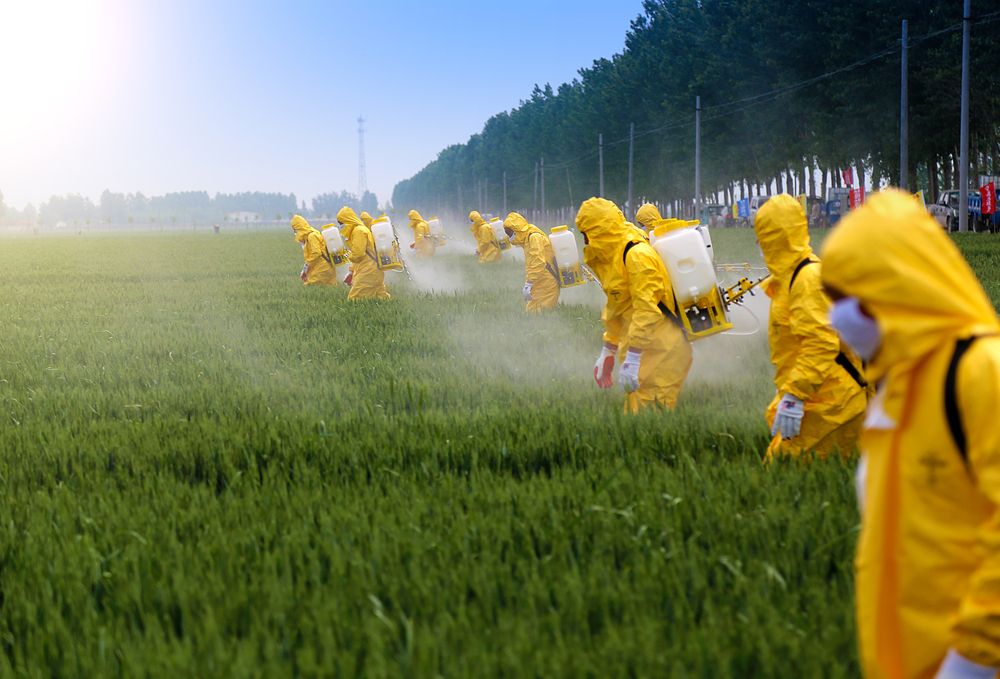
The fungicide fluopiram is a product indicated to combat parasites that attack the roots of plants and will have authorization for seven crops: cotton, potatoes, coffee, sugar cane, beans, corn, and soybeans.
The Ministry of Agriculture said the product had been in line for registration in Brazil for ten years. It has been registered in the European Union and has been under review in the U.S. since 2012.
New products for sale
The government has released five new pesticides for farmers, based on the following active ingredients: three based on a mixture of sulfoxaflor and lambda-cyhalothrin, one formulated from fluopyres and one based on fluorpiauxifen-benzyl. All are considered moderately toxic by ANVISA.
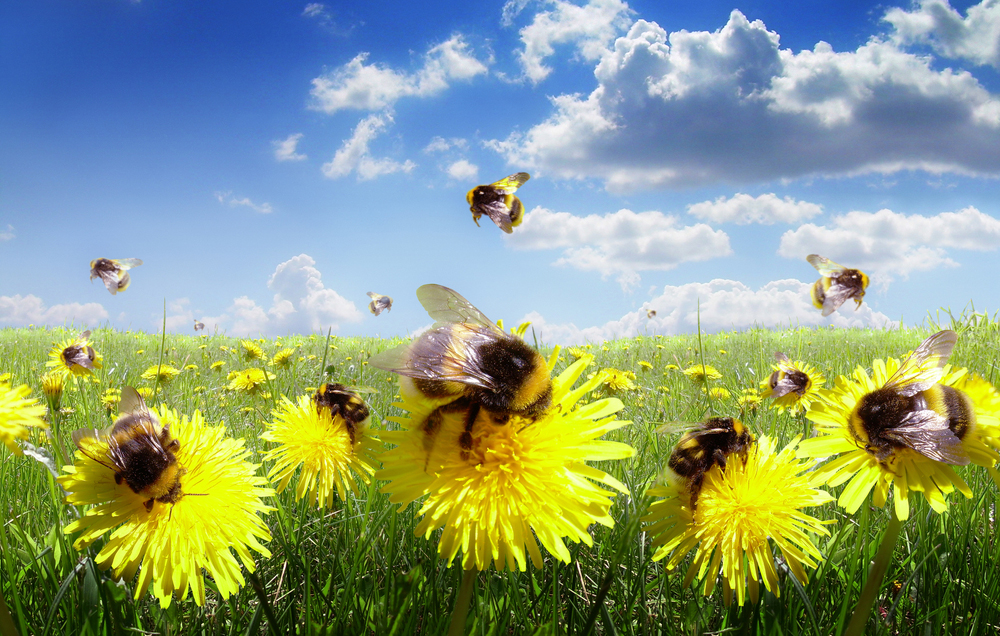
Of these pesticides, the most controversial are those based on sulfoxaflor, which is related to the reduction of bee swarms and is under study abroad.
Generic
The Ministry of Agriculture also authorized 56 new generic products, 47 of which were breaking patents for industry (equivalent technical product) and nine for use by farmers.
Accelerated release
According to the government, the greater hurry in the release of pesticides is due to measures of de-bureaucratization that have been adopted since 2015.
The goal, according to the ministry, is to approve new molecules, less toxic and more environmentally correct, to replace old products.
The association representing pesticide manufacturers (ANDEF) says Brazil’s queue is slower compared to the European Union and the United States. According to the companies,
the development of an unprecedented active ingredient for pesticides takes ten to 11 years and costs around 286 million dollars.
Agronomists say it is better to have more products registered than to run the risk of producers resorting to “pirate” pesticides, but they warn that the greater the use,
the more resistant the pests are to poison.
For environmentalists, however, the acceleration of the pace of approvals is a way for the government to put into practice topics of the controversial bill 6,299/02, which became known as the “poison package,” which is still under discussion in the Chamber of Deputies.
For farmers, the registration of new products, especially generic ones, is a way to lower production costs. In Mato Grosso, the largest producing state, pesticides are equivalent to 21 percent of spending on soybean crops.
Source: G1
More: Brazil news in English, every day from The Rio Times.
Editorial responsibility: Matthias Camenzind, Editor-in-Chief · Editorial standards · Report an error