Gold & Silver Slip on Dollar, Rate Bets—Mexico, Peru Watch
Key Facts
- Gold settled lower spot gold closed at US$4,288 an ounce, down 1.38 percent from Friday’s close on Monday, September 14.
- Silver fell harder silver finished at US$63.14 an ounce, a decline of 1.93 percent, as the gold-silver ratio hovered near 68 to 1.
- The US dollar strengthened a firmer greenback made dollar-priced metals more expensive for buyers using other currencies, curbing demand.
- Real yields rose higher inflation-adjusted Treasury yields increased the opportunity cost of holding non-interest-bearing metals.
- Rate hike bets were repriced markets saw a near 90 percent chance of another Federal Reserve increase, sapping speculative interest in bullion.
- Oil supply shocks did not help new attacks on a Saudi pipeline lifted energy prices but failed to spark a classic flight-to-safety bid for gold.
Today’s Focus
Precious metals slipped on Monday, September 14, with spot gold at US$4,288 an ounce, down 1.38 percent, and silver at US$63.14 an ounce, down 1.93 percent.
The declines were driven by a firmer US dollar and rising real yields, which made yield-bearing assets more attractive than gold and silver.
Expectations of another Federal Reserve rate hike, reinforced by an oil-driven inflation scare, outweighed any safe-haven demand from the latest Middle East supply disruption.
For Latin America, the softer silver price directly pressures revenue assumptions for Mexico, the world’s largest silver-producing country, and Peru, a major producer in the Andes.
What matters today. The dollar-yield complex, not geopolitics, is now calling the tune for bullion, and that means LatAm miners face a margin squeeze until rate expectations peak.
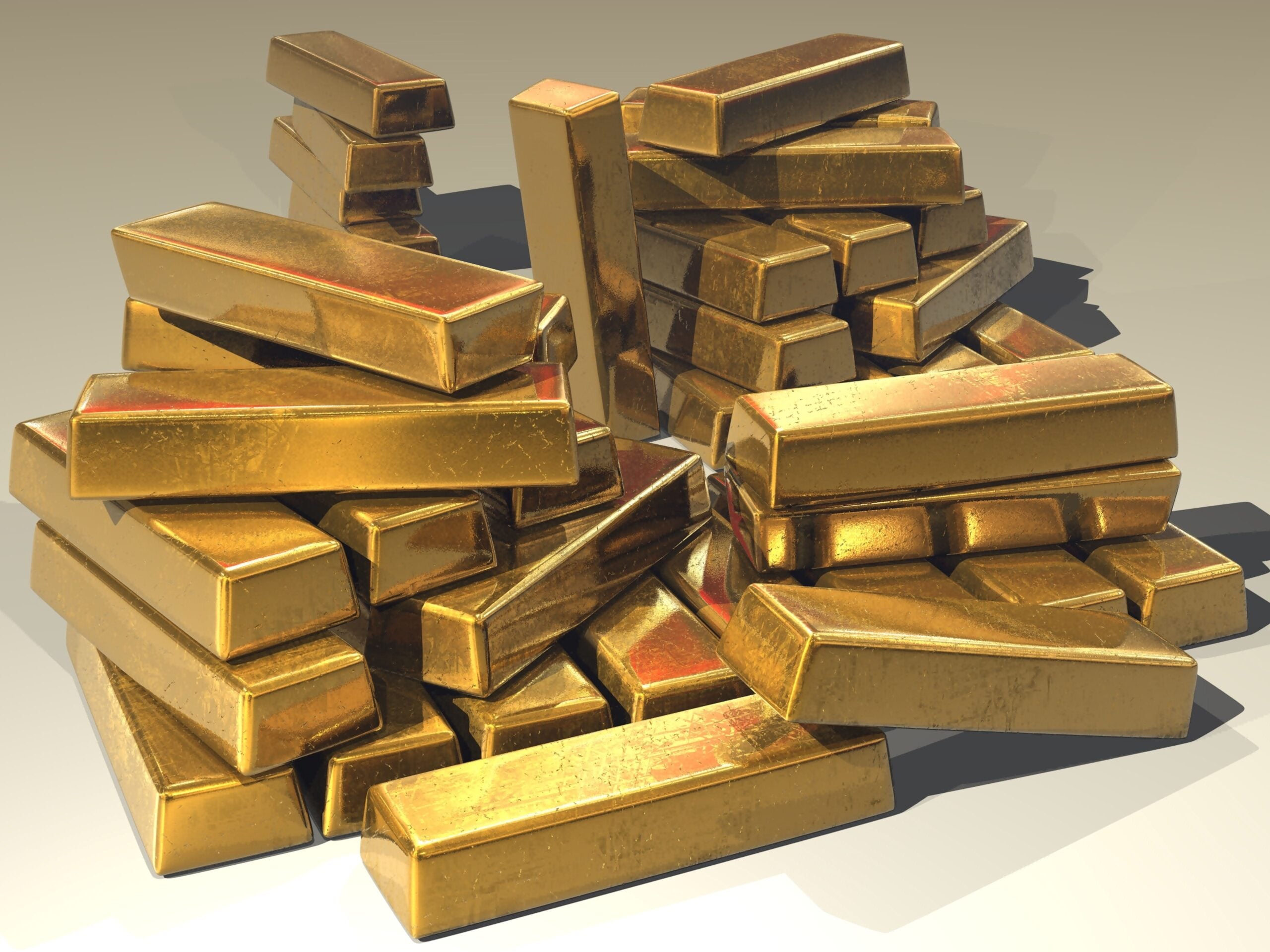
01 The session in one read
Gold and silver eased on Monday, September 14. A stronger US dollar and higher real yields outweighed a fresh flare-up in Middle East energy infrastructure.
Spot gold settled at US$4,288 an ounce, a decline of 1.38 percent, while silver closed at US$63.14 an ounce, off 1.93 percent.
Silver bore the brunt of the selling, leaving the gold-silver ratio close to 68 to 1 and underscoring the metal’s poorer performance against gold.
Monday showed something simple. Geopolitical fear cannot lift gold or silver while the dollar and real Treasury yields are both climbing on rate-hike bets. The near 90 percent probability of a Federal Reserve increase, reinforced by an oil-price jump, kept a lid on any flight-to-safety bid. The variable to watch is whether short-dated real yields keep grinding higher into the Federal Reserve meeting that ends on Wednesday.
02 The board
Gold’s US$4,288 an ounce close was a clear retreat, but it came with a clear driver: money moved back toward interest-bearing assets.
Silver’s US$63.14 an ounce settlement showed an outsized decline of 1.93 percent, reflecting both the macro headwind and the metal’s industrial sensitivity.
Other feeds tell the same story. Spot datasets put gold between US$4,284 and US$4,293 an ounce, with intraday lows near US$4,254. Silver readings ranged from US$63.14 to US$63.22.
| Asset | Level | Change |
|---|---|---|
| Gold | US$4,288/oz | -1.38% |
| Silver | US$63.14/oz | -1.93% |
Source: RT and exchange data, 14 September 2026. Where a commodity has no spot feed, an exchange-traded tracker or leading producer is shown as a labelled proxy.
Live Market IntelligenceThe live market board
Rio Times · Live Market Intelligence
Latin America — Cross-Market Board
| Instrument | Last | Change | YoY | Prev. | High | Low | Volume |
|---|---|---|---|---|---|---|---|
| IBOV | 185,500.88 | -0.91% | +21.85% | 187,206.89 | 168,310 | 167,142 | — |
| IPSA | 11,342.39 | +1.09% | — | 11,220.60 | 11,210 | 10,984 | 1,513,213,483 |
| IPC MEX | 64,216.98 | +0.46% | +12.17% | 63,924.77 | 66,121 | 65,405 | 108,886,187 |
| MERVAL | 3,084,547 | -0.46% | +30.51% | 3,022,485 | 3,042,365 | 2,991,150 | — |
| COLCAP | 2,588.25 | -0.06% | — | 9.04 | 9.05 | 9.02 | 4,133 |
| BVL PERÚ | 59,184.75 | -0.92% | — | — | — | — | — |
| USD/BRL | 5.16 | +0.01% | -5.13% | 5.16 | 5.18 | 5.14 | — |
| EUR/BRL | 5.95 | +1.01% | -5.83% | 5.89 | 5.98 | 5.94 | — |
| USD/MXN | 17.06 | -0.24% | -8.58% | 17.10 | 17.08 | 17.01 | — |
| USD/CLP | 913.98 | +0.04% | -5.67% | 913.65 | 915.11 | 906.68 | — |
| USD/COP | 3,140 | +0.03% | -22.04% | 3,139 | 3,141 | 3,105 | — |
| USD/PEN | 3.36 | -0.66% | -4.82% | 3.38 | 3.38 | 3.35 | — |
| USD/ARS | 1,493 | +0.10% | +12.96% | 1,491 | 1,494 | 1,480 | — |
| USD/UYU | 40.27 | +1.24% | +1.80% | 39.77 | 40.27 | 40.23 | — |
| USD/PYG | 5,939 | +1.68% | -19.54% | 5,841 | 5,939 | 5,925 | — |
| USD/BOB | 11.64 | -0.76% | +72.04% | 11.73 | 11.72 | 11.64 | — |
| USD/DOP | 58.34 | +1.25% | -3.44% | 57.62 | 58.34 | 58.04 | — |
| USD/CRC | 445.92 | +0.89% | -9.71% | 441.97 | 448.50 | 445.92 | — |
03 What moved it
The US dollar strengthened, making gold and silver more expensive in foreign-currency terms and reducing buying appetite outside the United States.
Real yields, or Treasury returns after stripping out expected inflation, also rose, which is the single clearest headwind for metals that pay no interest either.
Expectations for another Federal Reserve rate increase jumped to roughly 90 percent, as the oil-price surge from new attacks on a Saudi pipeline threatened to keep inflation sticky.
Even that jolt could not spur safe-haven bids. Dollar and yield moves, not war fears, are the dominant force in bullion right now.
04 The Latin American read
Mexico is the world’s largest primary silver producer. Every 1.93 percent daily slip in the metal lowers the value of the country’s mine output.
Peru, a major silver miner in the Andean region and a large gold producer too, watches the same move through the lens of revenue expectations for Lima-listed miners.
Because the producers sell in US dollars and report costs largely in local currency, the firmer greenback partly cushions local-currency earnings even when metal prices soften.
But the cushion is limited; with silver at US$63.14 an ounce, the margin pressure on higher-cost silver producers in Mexico and Peru is immediate and measurable.
05 The names to watch
In Mexico City, the silver-sensitive names are the large primary silver miners that dominate local turnover. They should track Monday’s 1.93 percent decline with some lag.
In Lima, the diversified miners with meaningful silver by-product credit will see their revenue models marked down less sharply, as gold’s milder 1.38 percent fall cushions the blow.
For foreign investors, the practical takeaway is that the miners’ share prices now depend on whether the dollar keeps rising, not just on the daily print for gold and silver.
06 The outlook
Until the Federal Reserve’s rate path becomes clearer, any bounce in gold or silver will struggle for follow-through because real yields remain the binding constraint.
A further rise in oil prices would keep inflation expectations elevated, raising the odds that the Fed stays hawkish and deepening the squeeze on non-yielding metals.
For Latin American miners, the near-term watchword is cost discipline, because the revenue side of the equation is now hostage to dollar strength and Treasury yields.
07 What to watch
- Federal Reserve pricing: Any shift in the near-90 percent probability of a rate hike will hit the dollar and real yields, and therefore both metals.
- Real Treasury yields: Higher inflation-adjusted yields raise the opportunity cost of holding gold and silver and have been the clearest drag this cycle.
- Oil supply headlines: More attacks on Gulf energy infrastructure could lift inflation bets, but Monday showed that need not translate into bullion demand.
- Mexico and Peru miners: Quarterly guidance from primary silver producers will reveal how quickly a US$63.14 silver proxy eats into margins.
Frequently Asked Questions
Why did gold fall despite new attacks on a Saudi pipeline?
Because the stronger US dollar and higher real yields outweighed the safe-haven impulse, keeping spot gold at US$4,288 an ounce, down 1.38 percent.
Why did silver fall more than gold on Monday?
Silver closed at US$63.14 an ounce, down 1.93 percent, because it is more sensitive to interest-rate expectations and industrial demand than gold.
What does this mean for Mexico?
Mexico is the world’s top primary silver producer, so a 1.93 percent drop in the silver proxy directly lowers the expected revenue of its mining sector.
Why does a stronger dollar hurt gold and silver?
A firmer dollar makes metals priced in US dollars more expensive for buyers using other currencies, which reduces demand.
Market data: RT
This article was produced by The Rio Times’ automated newsroom system. How we use AI · Report an error
In depth
LatAm Markets: Live Signals → — real-time movers, turnover leaders and FX across Latin America.
Read More from The Rio Times