GM Bets Another $670 Million on Brazil as China’s EV Makers Close In
Markets
Key Facts
The latest GM Brazil investment is a bet by an old giant under new pressure: as Chinese electric-car makers pour into Latin America’s biggest market, General Motors is spending more to defend the turf it has held for a century.
General Motors, the American maker of Chevrolet cars, is digging in deeper in Brazil. The company announced an extra three and a half billion reais, about six hundred and seventy million dollars, for its operations in the country.
That fresh money builds on a plan unveiled in 2024. Together the two pledges lift GM’s total commitment to ten and a half billion reais, roughly two billion dollars, through 2028.
For a reader weighing the global car industry, the timing is the story. A long-established Western carmaker is doubling down on Brazil at the exact moment Chinese rivals are trying to take it away from them.
What the GM Brazil investment buys
The announcement was made in the capital, Brasília, with Brazil’s vice-president in attendance, a sign of how much weight the government places on keeping the carmaker invested. GM called it the largest amount it has ever set aside for the country.
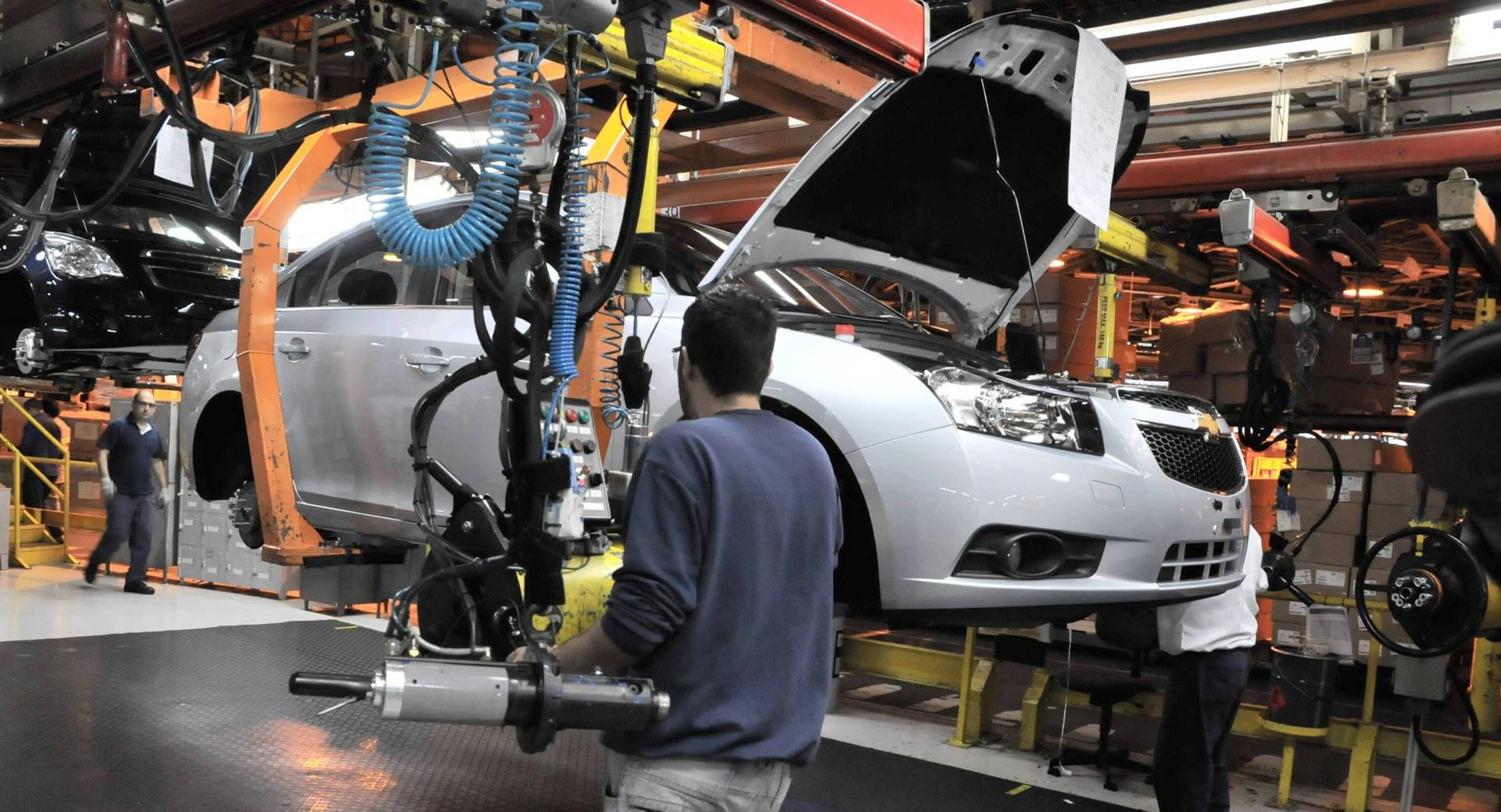
The money has a clear purpose. According to the company’s announcement, it will renew the Chevrolet line-up, add new technology to its cars, and modernise factories, with an expansion of engineering and manufacturing.
The headline change is the embrace of hybrids. GM plans to build hybrid models, which pair a petrol engine with an electric motor, locally in Brazil rather than importing them.
Most of the spending lands in one place. The bulk of it goes to GM’s plants in São Paulo state, the industrial heart of the country, protecting jobs in a region that depends on carmaking.
Why a century-old carmaker is spending now
The pressure behind the decision comes from China. Carmakers led by BYD have flooded Brazil with affordable electric cars, building local factories and seizing market share at a startling pace.
That has forced the old guard to respond. Established brands like GM, Volkswagen and Fiat suddenly face nimble newcomers offering the very electric technology that Brazilian buyers increasingly want.
BYD has gone furthest of all. The Chinese maker has set up its own assembly in Brazil, turning what began as imports into local production and putting direct pressure on the incumbents’ factories.
GM’s new pledge also has history behind it. The fresh three and a half billion reais adds to a seven-billion-real plan the company first set out in 2024, showing a steady rather than sudden build-up.
GM’s answer is to meet the threat halfway. Rather than leap straight to pure electric cars, it is betting on hybrids, which suit a country where charging stations are still scarce outside the big cities.
The company was also explicit about what drew the money. Its South America chief praised Brazil’s predictability and legal certainty, a pointed nod to the stable conditions investors say they need before committing billions.
The GM Brazil investment in a shifting market
The wider battle is over how Brazil’s car market electrifies, and who profits. Brasília has been raising tariffs on imported electric cars to push foreign makers to build locally, reshaping the rules for everyone.
GM’s pledge fits that logic neatly. By committing to local hybrids and factory upgrades, the carmaker aligns itself with the government’s push to keep production, and jobs, inside the country.
It is also a vote of confidence in scale. Brazil is South America’s largest car market and a springboard for exports across the region, which makes defending a foothold there worth the outlay.
What it means for investors
For investors, the announcement is a useful read on how legacy carmakers plan to survive the Chinese surge. The strategy is not to outspend the newcomers on pure electric cars, but to defend volume with hybrids and local production.
There is risk in the approach, all the same. Hybrids are a bridge technology, and if Brazilian buyers shift to fully electric cars faster than expected, today’s bet could look cautious tomorrow.
The government, meanwhile, gets what it wanted. Each big pledge to build locally validates its tariff strategy, turning trade pressure into factory commitments on Brazilian soil.
The broader contest is far from settled. A century-old name is spending record sums to hold ground that fast-moving rivals are determined to take, and Brazil’s drivers will decide who wins.
GM Brazil investment questions, answered
How much is GM investing in Brazil?
GM is adding three and a half billion reais, about six hundred and seventy million dollars, to an earlier plan. That lifts its total Brazil commitment to ten and a half billion reais, roughly two billion dollars, through 2028.
What will the money be used for?
It funds a renewed Chevrolet line-up, new technology including locally built hybrid models, and the modernisation of factories. Most of the spending goes to GM’s operations in São Paulo state.
Why is GM spending more now?
Chinese carmakers led by BYD are rapidly gaining ground in Brazil with affordable electric cars. GM is responding by betting on hybrids and local production, while citing Brazil’s stable investment conditions.
More: Brazil news in English, every day from The Rio Times.
Frequently Asked Questions
How much is GM investing in Brazil and what does it cover?
GM is committing a total of R.5 billion (roughly billion USD) to Brazil through 2028, after adding an extra R.5 billion (0 million) to its original 2024 plan. The money funds new Chevrolet models, locally built hybrid vehicles, and factory upgrades, with most of the investment going to GM's operations in São Paulo state.
Why is GM making its largest-ever investment in Brazil right now?
GM is responding to growing competitive pressure from Chinese electric-car makers, including BYD, which are flooding Brazil's market with electric vehicles. The investment is described as a bet by an established automaker to defend market position it has held in Latin America's largest car market for a century.
Who attended the announcement of GM's Brazil investment?
The announcement was made in Brazil's capital, Brasília, with the country's vice-president in attendance. This high-level government presence signals how much importance Brazilian authorities place on keeping General Motors invested in the country.
Connected Coverage
Latin America’s Auto Market in 2026: Chinese Dominance and a Trade War
Brazil’s Car Giants Warn of Job Losses Over Chinese Import Tariff Cuts
This article was drafted with automated assistance and reviewed before publication. How we use AI · Report an error · Editorial responsibility: Matthias Camenzind, Editor-in-Chief