Gold & Silver: The Precious-Metals Wrap — July 22, 2026
Key Facts
- Gold finished at 4,080 $/oz, up 1.77% on the latest settled session dated 2026-07-21.
- Silver finished at 58.86 $/oz, up 4.45% on the latest settled session dated 2026-07-21.
- The dollar mattered because a stronger US currency typically makes dollar-priced metals more expensive for buyers using other currencies, which can slow demand.
- Real yields mattered because higher Treasury yields raise the return on cash-like assets and can reduce the appeal of metals that do not pay interest.
- Safe-haven flows mattered because gold often attracts money when investors want protection from policy, geopolitical or market stress.
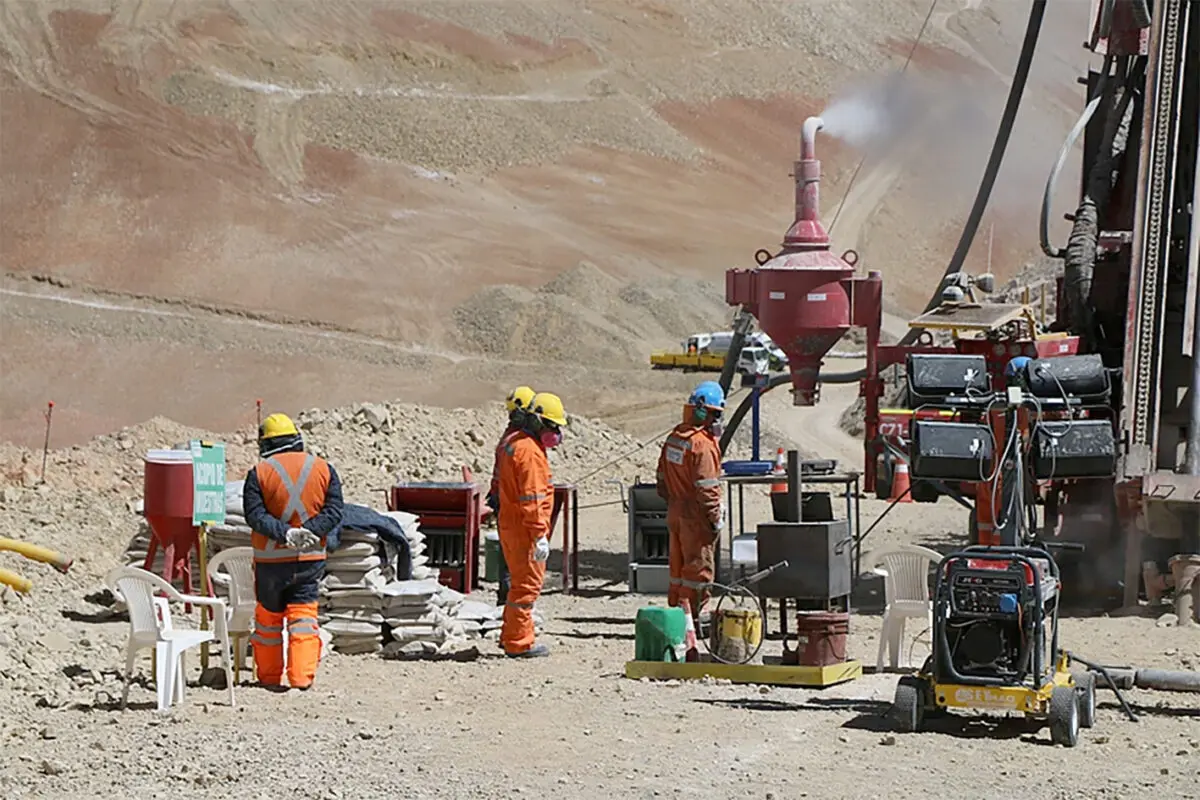
- Mexico and Peru matter because they are the two most important Latin American silver names, with Mexico the world’s largest producer and Peru also a major supplier.
- Market context is still important because the latest move in silver came against a backdrop of tightness, while gold’s advance suggests investors are still paying for insurance rather than just growth exposure.
Today’s Focus
Gold and silver both moved higher, with gold at 4,080 $/oz and silver at 58.86 $/oz on the latest settled sessions. The cleanest explanation is a mix of dollar moves, real-yield pressure and continuing safe-haven demand.
For foreigners reading Latin American markets, the key regional angle is that Mexico remains the silver giant and Peru remains one of the next most important producers. That means the metals story in New York and London still runs through Latin American mines, politics and operating costs.
Silver’s larger gain points to a market that is still more volatile and more sensitive to supply disruption than gold. Gold’s steadier rise suggests reserve-style buying, while silver is also reacting to industrial and mine-supply concerns.
The practical takeaway is that the metals move is not just about inflation or war headlines; it is also about the cost of holding dollars, the level of real yields and whether investors keep seeking protection in hard assets.
What matters today. The next big clue is whether the dollar and real yields keep rising or start to ease.
01 The session in one read
Gold held firm and silver jumped, leaving the precious-metals tape looking constructive rather than exhausted. The split is important: gold is the steadier monetary metal, while silver tends to swing harder when investors think both about protection and about supply.
The move fits a market where the dollar, real yields and geopolitical caution are still the dominant cross-currents. When the dollar is stronger and yields are firmer, metals usually face pressure; when investors want insurance, gold in particular tends to catch a bid.
Gold and silver are being pulled by the same macro forces, but not equally. Gold is behaving like a store of value, while silver is acting like a more violent proxy for both safe-haven demand and supply stress.
The main variable to watch is the US dollar and, alongside it, real yields on Treasury bonds, because both can quickly change the balance between profit-taking and renewed buying.
02 The board
The live board shows gold at 4,080 $/oz, up 1.77% on the latest settled session dated 2026-07-21. Silver is shown at 58.86 $/oz, up 4.45% on the latest settled session dated 2026-07-21.
Those levels matter because they place both metals near elevated territory by modern standards, even after recent volatility. For readers outside the market, the board is the cleanest snapshot: gold is the calmer asset, silver the faster one.
| Asset | Level | Change |
|---|---|---|
| Gold | 4,080 $/oz | +1.77% |
| Silver | 58.86 $/oz | +4.45% |
Source: RT close, 2026-07-21. Where a commodity has no spot feed, an exchange-traded tracker or leading producer is shown as a labelled proxy.
Live Market IntelligenceThe live market board
Rio Times · Live Market Intelligence
Latin America — Cross-Market Board
| Instrument | Last | Change | YoY | Prev. | High | Low | Volume |
|---|---|---|---|---|---|---|---|
| IBOV | 203,276.70 | -1.56% | +21.85% | 206,495.23 | 168,310 | 167,142 | — |
| IPSA | 10,792.54 | -1.76% | — | 10,985.55 | 11,210 | 10,984 | 1,513,213,483 |
| IPC MEX | 70,249.54 | +1.43% | +12.17% | 69,258.58 | 66,121 | 65,405 | 108,886,187 |
| MERVAL | 3,017,221 | — | +30.51% | 3,022,485 | 3,042,365 | 2,991,150 | — |
| COLCAP | 2,524.78 | -1.39% | — | 9.04 | 9.05 | 9.02 | 4,133 |
| BVL PERÚ | 59,561.23 | -1.85% | — | — | — | — | — |
| USD/BRL | 5.16 | +0.01% | -5.13% | 5.16 | 5.18 | 5.14 | — |
| EUR/BRL | 5.95 | +1.01% | -5.83% | 5.89 | 5.98 | 5.94 | — |
| USD/MXN | 17.06 | -0.24% | -8.58% | 17.10 | 17.08 | 17.01 | — |
| USD/CLP | 913.98 | +0.04% | -5.67% | 913.65 | 915.11 | 906.68 | — |
| USD/COP | 3,140 | +0.03% | -22.04% | 3,139 | 3,141 | 3,105 | — |
| USD/PEN | 3.36 | -0.66% | -4.82% | 3.38 | 3.38 | 3.35 | — |
| USD/ARS | 1,493 | +0.10% | +12.96% | 1,491 | 1,494 | 1,480 | — |
| USD/UYU | 40.27 | +1.24% | +1.80% | 39.77 | 40.27 | 40.23 | — |
| USD/PYG | 5,939 | +1.68% | -19.54% | 5,841 | 5,939 | 5,925 | — |
| USD/BOB | 11.64 | -0.76% | +72.04% | 11.73 | 11.72 | 11.64 | — |
| USD/DOP | 58.34 | +1.25% | -3.44% | 57.62 | 58.34 | 58.04 | — |
| USD/CRC | 445.92 | +0.89% | -9.71% | 441.97 | 448.50 | 445.92 | — |
03 What moved it
The dollar is the first explanation because precious metals are priced in dollars, so a stronger greenback usually makes them more expensive for non-US buyers. That often cools demand at the margin and can cap rallies.
Real yields are the second explanation because they measure returns after inflation, and higher real yields make holding interest-free assets less attractive. Safe-haven flows are the third because investors often buy gold when they want a refuge from policy uncertainty, conflict risk or wider market stress.
04 The Latin American read
Mexico remains the top silver producer, which keeps it central to any silver story that involves supply, taxes, regulation or mine disruption. Peru is another major miner and therefore another key price-sensitive country whenever the silver market tightens.
This matters for Latin America because higher silver prices can lift miners, fiscal receipts and investment interest, but they can also expose operating problems, community friction and political risk. In plain terms, the price rally in metals often ends up being a story about Latin American geology and governance as much as about Wall Street mood.
05 The names to watch
Mexico is the key name because it anchors global silver supply and because investors often use Mexican mining equities as a quick read on the sector. Peru is the other name because it is large enough to matter for world output and vulnerable enough to move sentiment when mine policy changes.
Outside the region, the US dollar and US Treasury yields are the macro names that matter most. If the dollar stays firm and yields stay elevated, metals can lose steam; if both ease, gold and silver usually have room to extend higher.
06 The outlook
The near-term outlook is still driven more by macro than by jewellery demand or industrial usage alone. Gold will likely continue to track the dollar and real yields, while silver will remain the more volatile expression of both macro fear and supply concern.
For now, the market is asking whether this is a pause in a broader metals uptrend or just a fresh burst of safe-haven buying. The answer should become clearer if the dollar and real yields stop rising.
07 What to watch
- US dollar: A firmer dollar can weigh on both metals by making them costlier for non-US buyers.
- Real yields: Higher real yields usually reduce the appeal of non-interest-bearing assets like gold and silver.
- Mexico and Peru production: Any disruption, tax change or regulatory move in the two biggest Latin American silver names can tighten supply.
- Safe-haven demand: If investors stay nervous about geopolitics or markets, gold in particular can keep attracting defensive flows.
Frequently Asked Questions
Why does the dollar matter for gold and silver?
Because these metals are priced in dollars, a stronger dollar raises the local-currency cost for buyers outside the United States and can soften demand.
What are real yields?
Real yields are bond yields after inflation, and they matter because they show the return investors can earn on safer assets compared with holding metals that pay no interest.
Why is Mexico important?
Mexico is the world’s top silver producer, so changes in Mexican mining conditions can affect global supply and silver pricing.
Why does Peru matter too?
Peru is another major silver producer, so disruptions there can also tighten supply and lift price volatility.
This article was produced by The Rio Times’ automated newsroom system. How we use AI · Report an error · Editorial responsibility: Matthias Camenzind, Editor-in-Chief
LatAm Markets: Live Signals → — real-time movers, turnover leaders and FX across Latin America.