Global Economy Briefing — August 29, 2026
Fed Chair Warsh's Jackson Hole speech pushed September hike odds to about 57%, lifted the dollar 0.5% and knocked gold 3.2% to about US$4,456.
Rio Times Global Economy Briefing
The Big Three
- Warsh’s hard line puts September back in play. In his first Jackson Hole keynote as Fed Chairman, Kevin Warsh stressed that 12-month PCE inflation “stands at 3.7 percent” — with 54% of the basket still rising faster than 3% — and futures ended the day implying about a 57% chance of a September rate hike, up from roughly 35% before the speech.
- Stocks slip, yields and the dollar firm. The S&P 500 fell 0.25% to 7,711.76 and the Nasdaq lost 0.52%, while the two-year Treasury yield closed at 0.52%, its highest since July, and the dollar index rose about half a percent toward 99.7; gold slid about 3.2% to around US$4,456 an ounce.
- Brazil bucks the mood. The Ibovespa rose 0.30% to 175,664.62 — an eighth straight gain that left the index up 9.0% for 2026 — while the real slipped to 5.196 per dollar; the Selic has stood at 14.0% since the August 5.19 cut, with mid-August inflation at 4.24% over 12 months.
Board snapshot as of the Friday, August 28 close — US markets 16:00 New York time, São Paulo 17:00 Brasília time.
Fed Chairman Kevin Warsh used his first Jackson Hole keynote, “In Our Time,” to warn that the Fed still has “work to do” on inflation, prompting markets to price in a September rate rise — US stocks dipped, Treasury yields and the dollar firmed, gold slid about 3%, and Brazil’s Ibovespa still stretched its winning streak to eight sessions.
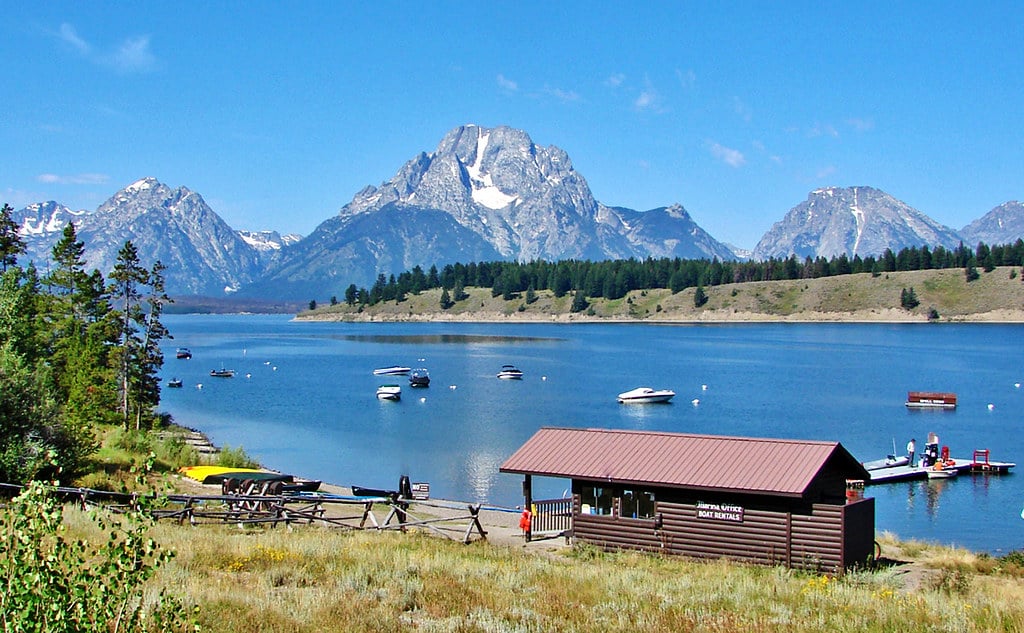
United States
| Indicator | Actual | Prior | Verdict |
|---|---|---|---|
| PCE inflation (July, YoY) | 3.7% | 3.7% | Unchanged — still well above the 2% target |
| Unemployment rate (July) | 4.1% | 4.0% | Warsh: consistent with full employment |
| US 2-year Treasury yield (session) | 4.34% | 4.20% | Highest since July after the speech |
Europe & United Kingdom
| Indicator | Actual | Prior | Verdict |
|---|---|---|---|
| Brent crude (October futures) | $89.31 | $89.70 | Down more than 5% on the week |
| FTSE 100 (Friday close) | 10,824.26 | — | +0.29%; DAX +0.77%, CAC +0.98% |
Asia-Pacific & Emerging Markets
| Indicator | Actual | Prior | Verdict |
|---|---|---|---|
| Brazil Selic rate | 14.00% | 14.25% | Cut on August 5; next Copom September 15–16 |
| Brazil real (per USD) | 5.196 | ≈5.16 | Third straight daily gain for the dollar |
| Ibovespa | 175,665 | ≈175,100 | Eighth straight gain; about +24% year-on-year |
| Instrument | Level | Session |
|---|---|---|
| S&P 500 (US) | 7,712 | -0.25% |
| Ibovespa (Brazil) | 175,665 | +0.30% |
| USD/BRL | 5.196 | +0.66% |
Source: market close, 28 August 2026.
Today’s Economic Calendar — Saturday, August 29, 2026
| Time | Country | Event | Consensus | Prior |
|---|---|---|---|---|
| All day | US | Jackson Hole Symposium — final day | — | — |
A quiet Saturday: the Jackson Hole symposium wraps up in Wyoming. Japan’s July industrial production and retail sales land on Monday morning in Tokyo (08:50 JST), and Peru marks Santa Rosa de Lima on Sunday, August 30.
Live Market IntelligenceGlobal Markets — Live Board
Rio Times · Live Market Intelligence
Global Markets — Live Board
| Instrument | Last | Change | YoY | Prev. | High | Low | Volume |
|---|---|---|---|---|---|---|---|
| SPX | 7,751 | +0.29% | — | — | — | — | — |
| NDX | 29,799 | +0.93% | — | — | — | — | — |
| DJI | 53,810 | +0.03% | — | — | — | — | — |
| RUT | 3,041 | +0.46% | — | — | — | — | — |
| US10Y | 4.6760 | -0.17% | — | — | — | — | — |
| VIX | 14.60 | -4.45% | — | — | — | — | — |
| DAX | 26,331 | -0.23% | — | — | — | — | — |
| FTSE | 10,833 | -0.10% | — | — | — | — | — |
| CAC | 8,675 | -0.46% | — | — | — | — | — |
| STOXX | 659.48 | -0.16% | — | — | — | — | — |
| NIKKEI | 67,524 | +0.83% | — | — | — | — | — |
| HSI | 25,440 | -0.83% | — | — | — | — | — |
| KOSPI | 6,579 | +3.68% | — | — | — | — | — |
| CSI300 | 4,691 | +0.58% | — | — | — | — | — |
| NIFTY | 24,436 | -0.15% | — | — | — | — | — |
| TSX | 36,619 | +0.39% | — | — | — | — | — |
| GOLD | 4,461 | +1.78% | +33.20% | 4,383 | 4,503 | 4,421 | 139,824 |
| SILVER | 65.59 | +1.26% | +73.05% | 64.77 | 66.98 | 64.81 | 46,406 |
01 Risk appetite meets a higher-for-longer breeze
US shares went into the weekend uneasy rather than panicked: the S&P 500 fell 0.25% to 7,711.76, the Nasdaq lost 0.52% and the Dow finished marginally lower at 53,559.99, capping a week that still left all three indexes up less than 1%. Europe ended firmer — the FTSE 100 added 0.29% and Germany’s DAX 0.77% — after a week of better-than-expected growth data, with German business morale at its strongest in a year.
Gold slid about 3.0% to around US$4,456 an ounce, pulling back from a more than three-month high set early in the week after the US Treasury expanded its buyback of long-dated bonds, though the metal remains up about a third from a year ago. Brent crude slipped 0.26% to US$89.31 a barrel, ending the week down more than 5% and snapping a two-week winning streak, days after Washington imposed new sanctions on Iran.
Brazil bucked the global mood: the Ibovespa rose 0.30% to 175,664.62 — an eighth straight gain that left the index up 9.0% for 2026 and about 24% from a year ago. The real softened, with the dollar up 0.66% at R$5.196, while the Selic has stood at 14.0% since the August 5 cut and mid-August inflation came in at 4.24% over 12 months.
02 Warsh’s hard line keeps September in play
In his first Jackson Hole keynote as Fed Chairman, Kevin Warsh recommitted the central bank to what he called a “firm, fixed target” of 2% PCE inflation — a goal the US has now missed, in his words, through “65 months of sustained, elevated inflation.” Twelve-month PCE inflation “stands at 3.7 percent,” he said, and 54% of the basket is still rising faster than 3%.
Warsh argued that 4.1% unemployment leaves the labor market “consistent with full employment,” that “short-term interest rates are the predominant tool” of policy, and that forward guidance “has overstayed its welcome.”
Mid-speech, setting out his own test for policy, he said the Fed must be confident underlying inflation is moving to target “clearly and at sufficient speed. Otherwise, we have work to do.”
He stopped short of signalling September, telling the audience he was “committed to a discipline, not to a decision.” Hours earlier the Bureau of Labor Statistics had reported that payroll growth in the 12 months to March 2026 was overstated by 79,000 — a downward revision to job growth, not 79,000 jobs lost.
Markets reacted fast: the two-year Treasury yield jumped 0.14 points to 4.34%, its highest since July, while the ten-year closed up six hundredths at 4.73%. Futures now imply about a 57% chance of a rate hike at the September 15–16 FOMC — up from roughly 35% before the speech — with a clear majority of traders also pricing at least one hike by December.
03 Debt, inflation and the emerging-market tightrope
For Latin America, the mix is double-edged: cheaper oil eases imported inflation, but higher US yields and a firmer dollar narrow the cushion that carry trades in Brazilian rates have enjoyed. Every extra hundredth of a point on US yields makes the real and its peers more sensitive to any further dollar strength.
Asia adds its own wrinkle: the yen hovered near 160 per dollar, close to its weakest in decades — even after a joint US–Japan intervention at the start of August, the first coordinated yen-buying operation since 1998. Hotter-than-expected Tokyo inflation has markets leaning toward another Bank of Japan rate rise at the September 17–18 meeting, and Monday morning in Tokyo brings July industrial production and retail sales.
The week ahead then turns back to the US: ISM surveys, JOLTS job openings and the Fed’s Beige Book lead into the September 4 jobs report, the last big data release before the Fed and Brazil’s Copom both meet on September 15–16. For carry trades built on a 14% Selic, that calendar is now the risk map.
What to watch today and this week
- Saturday: Jackson Hole wraps up — final-day panels rarely move markets, but any Fed pushback on September pricing will.
- Monday: Japan’s July industrial production and retail sales (08:50 JST) — a read on Asian demand after a month that began with a joint US–Japan yen intervention.
- Friday, September 4: US jobs report — the last major data release before the Fed’s mid-September decision.
- Mid-September: the Fed and Brazil’s Copom decide on September 15–16; the Bank of Japan follows on September 17–18.
Background: our latin america economy guide.
Frequently Asked Questions
What did Warsh say at Jackson Hole?
He recommitted the Fed to its 2% inflation target, citing July PCE inflation of 3.7% and noting that 54% of the basket is still rising faster than 3% — enough to put a September rate hike back on the table.
Why did gold fall?
Gold fell about 3.0% to around US$4,456 an ounce as higher Treasury yields and a firmer dollar after Warsh’s speech reduced the appeal of non-yielding assets.
How did Brazil react?
The Ibovespa rose 0.3% to 175,665 points — an eighth straight gain — while the real slipped to 5.196 per dollar; the Selic has stood at 14.0% since the August 5.19 cut.
What does a stronger dollar mean for Latin America?
It raises external financing costs and can pressure local currencies, offsetting the benefit of cheaper commodity imports.
Is a September Fed hike likely?
Futures markets imply roughly a 57% chance of a hike at the mid-September meeting, up from about 35% before the speech.
Sources
- Federal Reserve — Chairman Kevin Warsh’s Jackson Hole speech text (federalreserve.gov), August 28, 2026.
- Yahoo Finance — US closing market wrap and index quotes, August 28, 2026.
- Estadão/Broadcast — “Fechamento do mercado financeiro” (Ibovespa, dollar-real, PTAX, gold), August 28, 2026.
- USA Today / CNBC — gold spot prices; US–Japan joint yen intervention reporting, August 2026.
- IBGE — IPCA-15 August 2026 release; Banco Central do Brasil — PTAX and Selic data.
- CME FedWatch — Fed funds futures pricing, August 28, 2026.
This article was produced by The Rio Times’ automated newsroom system. How we use AI · Report an error · Editorial responsibility: Matthias Camenzind, Editor-in-Chief