Mexico · Companies
Key Facts
—Net income. MXN 2,353 million (about US$127 million), up 11.6% year-on-year.
—Loan portfolio. MXN 94,682 million (about US$5.12 billion), up 13.1% year-on-year.
—Return on equity. 25.0%, at the top of the group’s 24%-25% target.
—Net interest margin. 29.8%, in the elevated band typical for microfinance.
—Clients. About 6.8 million, with new borrowers added across Mexico, Peru and Guatemala.
Gentera second quarter net income reached MXN 2,353 million (about US$127 million), an 11.6% increase from a year earlier, the Mexican microfinance group reported in late July. The result was underpinned by a 13.1% expansion of its total loan portfolio to MXN 94,682 million (about US$5.12 billion).
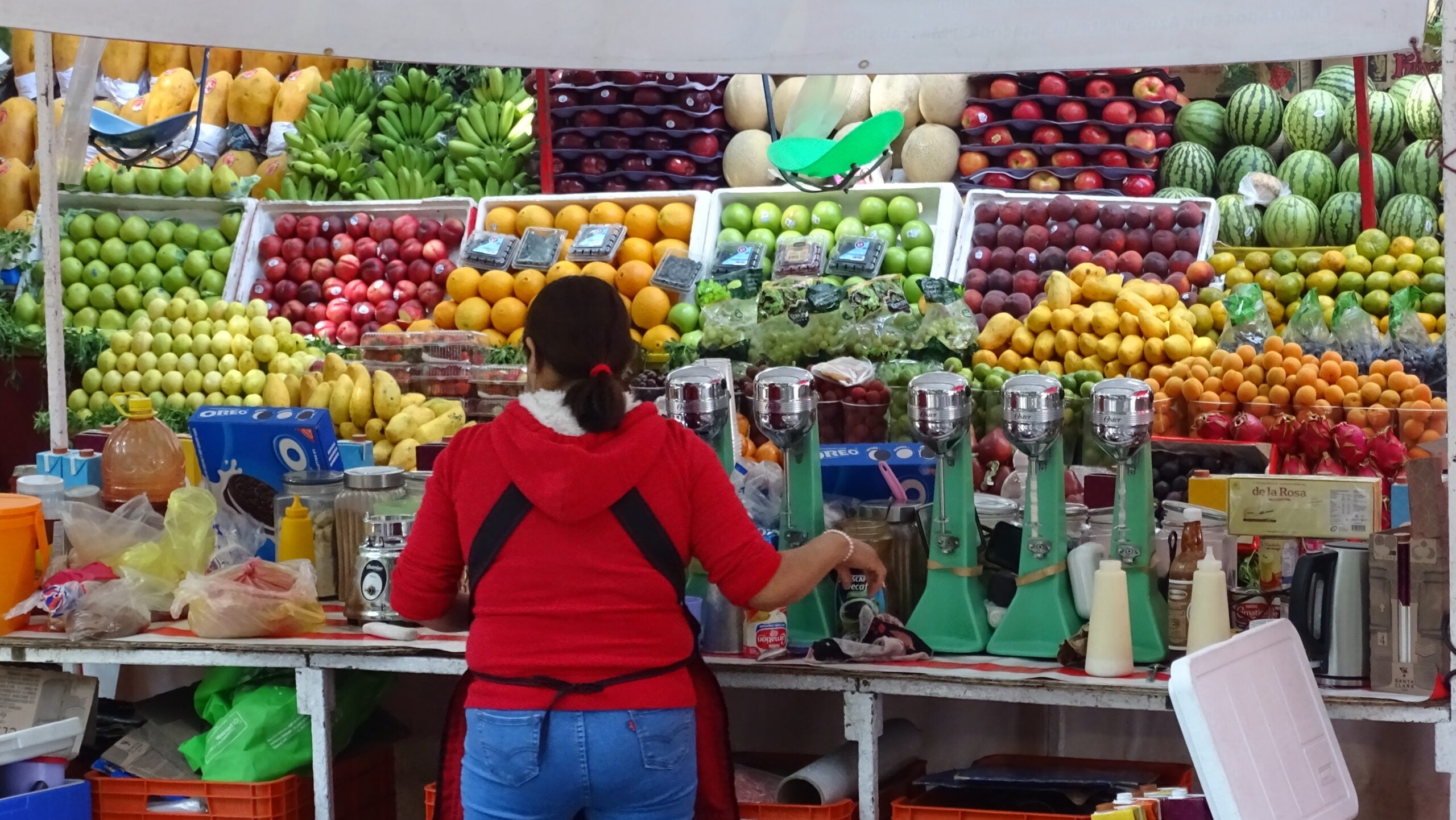
What Gentera Does
For readers unfamiliar with the sector, microfinance means providing small loans, savings and insurance to low-income entrepreneurs who lack access to traditional banking. Gentera’s main unit, Banco Compartamos, pioneered the model in Mexico decades ago.
The group lends mostly to women running micro-businesses, often in groups that share responsibility for repayment. It served about 6.8 million clients at the close of the quarter, across Mexico, Peru and Guatemala.
Those loans are small but numerous, which is why the interest rates and margins look high next to a conventional bank. The cost of managing millions of tiny loans is built into the price.
This group-lending model is often called “solidarity lending.” Borrowers form small circles and guarantee one another’s loans, which replaces the collateral a traditional bank would demand. For a street vendor or a home-based seamstress, that peer guarantee is often the only path to formal credit.
Gentera Second Quarter: Profitability and Margins
The group’s return on equity stood at 25.0% for the quarter, at the top of its 24% to 25% target. That level reflects the high-margin nature of microfinance lending.
Net interest margin was 29.8%, within the elevated band typical for the sector. It is the gap between what Gentera earns on loans and what it pays to fund them.
Operating expenses rose 7.7% year-on-year, below the company’s own plan. Management credited tighter cost control and heavier use of technology across its branches.
For context, a return on equity above 20% is unusually strong in most banking sectors. Gentera sustains it because its average loan ticket is tiny and the service is labour-intensive, allowing it to price well above a conventional mortgage or corporate loan.
The trade-off is that operating costs also run higher, so the efficiency with which the company manages those costs directly shapes the bottom line.
Asset Quality and Risk
The stage-3 non-performing loan ratio was 4.04% at quarter-end. That metric tracks loans with significant credit deterioration and is a key gauge of asset quality.
The figure is manageable for a lender serving vulnerable borrowers, but worth watching. Microfinance portfolios can turn quickly if household incomes weaken.
Gentera has leaned on data and repeat-client relationships to keep losses contained. Most of its lending goes to borrowers it has served through several cycles.
A stage-3 loan is one where the bank has already seen clear evidence of credit impairment, such as missed payments over an extended period. In mainstream banking, a ratio above 3% often raises eyebrows; in microfinance, where clients have thinner safety nets, a ratio around 4% is not unusual.
The key question from here is whether inflation or a slowdown in domestic consumption pushes that number higher.
Mexico and Peru Lead Growth
Banco Compartamos, the flagship Mexican unit, reported a loan portfolio of MXN 62,519 million (about US$3.38 billion), up 13.8% year-on-year. Its net income rose 10% to MXN 1,479 million (about US$80 million).
In Peru, Compartamos Financiera grew its loan book 10.9% in peso terms, or 14.5% in local currency. The Peruvian arm has become an important second engine for the group.
Gentera also operates in Guatemala, though on a smaller scale. Together, the three markets give it a diversified footprint across the region’s underbanked population.
The difference between the peso and local-currency growth rates in Peru matters because it shows how exchange-rate moves can colour reported results. When the Mexican peso strengthens against the Peruvian sol, growth expressed in pesos looks smaller than the underlying business expansion.
Investors tracking the stock tend to watch the local-currency figures for a cleaner read on demand in each country.
Guidance and Outlook
Management reaffirmed its 2026 targets rather than trimming them. It still expects loan-portfolio growth of 13% to 16% and net-income growth of 13% to 16% for the full year.
Earnings-per-share guidance was kept at MXN 5.88 to MXN 6.03 (about US$0.32), with a return-on-equity target of 24% to 25%. The first-half numbers keep the company on track for that range.
For foreign investors, Gentera is a useful read on Mexico’s informal economy and household demand. Its clients are the small traders and workshop owners who rarely show up in headline data.
What to watch next is whether the cost-control discipline that held expense growth below plan can be sustained through the second half. Another open question is how the portfolio performs if remittance flows—a key source of household income for many borrowers—shift because of economic conditions in the United States.
Finally, observers will be looking at whether the Guatemalan operation reaches a scale that meaningfully contributes to group profit, or whether Mexico and Peru remain the twin pillars of the story.
More: Mexico news in English, every day from The Rio Times.
Frequently Asked Questions
What was Gentera’s net income in the second quarter of 2026?
Gentera reported net income of MXN 2,353 million (about US$127 million) for the second quarter of 2026, an 11.6% increase from a year earlier. Its total loan portfolio grew 13.1% to MXN 94,682 million (about US$5.12 billion).
What is Gentera’s main business?
Gentera is a Mexican financial holding company whose main unit is Banco Compartamos. It specialises in microfinance, lending small amounts to low-income entrepreneurs, mostly women running micro-businesses, in Mexico, Peru and Guatemala.
What is Gentera’s guidance for 2026?
Gentera reaffirmed guidance for full-year 2026 of 13% to 16% growth in both its loan portfolio and net income, earnings per share of MXN 5.88 to MXN 6.03 (about US$0.32), and a return on equity of 24% to 25%.
Connected Coverage
Sources: Gentera.
This article was produced by The Rio Times’ automated newsroom system. How we use AI · Report an error · Editorial responsibility: Matthias Camenzind, Editor-in-Chief
In depth
LatAm Markets: Live Signals → — real-time movers, turnover leaders and FX across Latin America.