Peru Chancay Port: US Pressure Has Not Moved China
PERU · GEOPOLITICS
Key Facts
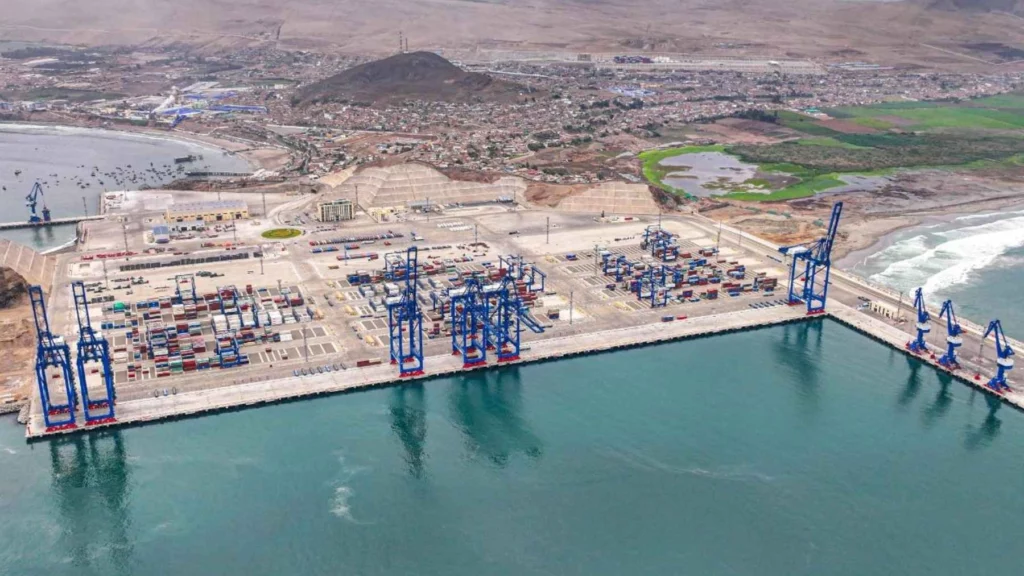
- —The asset Chancay is a US$1.3 billion Chinese-built deepwater port on Peru’s coast north of Lima.
- —The trigger A Peruvian court ruling barred the regulator Ositran from overseeing the Chinese operator.
- —Washington’s line In February the US administration warned Peru risked losing sovereignty over the port.
- —The catch None of that pressure has changed the operating arrangement. The ships still call.
- —Where it sits now The oversight dispute was referred to Peru’s Constitutional Tribunal and is unresolved.
- —The other track Washington is simultaneously courting the new Peruvian government as a partner on cartels.
The Peru Chancay dispute has run for a year without changing anything on the quay. That is the point worth understanding.
The Peru Chancay port has become the clearest test of how far American pressure moves Latin American infrastructure decisions. So far the answer is not very far.
Chancay is a deepwater terminal about eighty kilometres north of Lima. It cost around US$1.3 billion and was built with Chinese capital and Chinese engineering.
It opened as the first Pacific port on the continent able to take the largest container vessels. That shortens the sailing time between South America and Asia considerably.
The dispute is not about the port existing. It is about who supervises the company that runs it.
How the Peru Chancay Row Started
A Peruvian court ruled that the regulator Ositran could not exercise oversight of the Chinese operator. That removed a domestic supervisory layer from a strategic asset.
In February 2026 the American administration responded publicly. It warned that Peru risked losing sovereignty over the port and described the arrangement as predatory.
NPR, UPI, The Hill and the South China Morning Post all carried the warning. It was an unusually direct intervention in another country’s regulatory dispute.
Peru did not reverse the arrangement. The exclusivity and oversight questions were referred to the Constitutional Tribunal instead.
What Washington Has Actually Said
The February statement came from the executive branch. It framed the issue as sovereignty rather than as trade or security directly.
In April a congressional voice went further. Representative Maria Elvira Salazar chairs the House subcommittee on the Western Hemisphere.
She said Peru’s incoming government must take the port back, and that the United States would help it do so. She cited dual-use military risk.
That is a legislator rather than executive policy, and the distinction matters. No American administration has proposed a mechanism by which Peru would take it back.
Chinese investment in Peruvian mining and logistics long predates Chancay. The port is the visible part of a much older commercial relationship.
Why the Pressure Has Not Worked
Peru’s export economy depends heavily on China as a destination for copper and other minerals. That dependence is structural rather than political.
A port that shortens the route to that market is an economic asset regardless of who built it. Reversing the concession would carry a direct cost to Peruvian exporters.
Washington is also pursuing a second track at the same time. It has been courting the new government in Lima as a partner against cartels and against Chinese influence more broadly.
Those two approaches pull in different directions. Pressing a government publicly while asking for its cooperation privately limits how hard either can be pushed.
Where It Stands Now
The oversight dispute sits with Peru’s Constitutional Tribunal and had not been resolved as of August 2026. Its ruling will determine whether Ositran regains supervisory powers.
That is a domestic legal question with international consequences. It is also not one Washington can influence directly.
Keiko Fujimori took office on 28 July 2026 and inherited the file. Her government has not announced a change of position on the concession.
What to Watch
The first marker is the Constitutional Tribunal ruling. It is the only decision that changes the supervisory position.
The second is whether volumes at Chancay keep rising. Commercial success makes any reversal progressively harder to contemplate.
The third is whether Washington shifts from pressure to an offer. Warnings have not moved the file in a year.
More: Peru news in English, every day from The Rio Times.
The big picture: Peru explained — economy, politics, society and daily life in one read.
Frequently Asked Questions
What is the Chancay port?
A deepwater container terminal about eighty kilometres north of Lima, built with Chinese capital at a cost of around US$1.3 billion. It is the first Pacific port in South America able to handle the largest container vessels.
What is the dispute about?
Regulatory oversight. A Peruvian court ruling barred the regulator Ositran from supervising the Chinese operator, and the exclusivity and oversight questions were referred to Peru’s Constitutional Tribunal, where they remain unresolved.
What has the United States said?
In February 2026 the administration warned publicly that Peru risked losing sovereignty over the port and called the arrangement predatory. In April a congressional subcommittee chair said Peru should take the port back with American help, though that is a legislator’s position rather than executive policy.
Sources: NPR, UPI, South China Morning Post, The Hill, Peru Support Group, Rio Times.
This article was produced by The Rio Times’ automated newsroom system. How we use AI · Report an error · Editorial responsibility: Matthias Camenzind, Editor-in-Chief