Forgotten History: Drunken Irish and German Riots, Two Centuries Ago, in Rio de Janeiro
RIO DE JANEIRO, BRAZIL – The background to this dramatic event was the Cisplatine War, a war between Argentina and Brazil over the control of the province of Cisplatina (modern-day Uruguay).

Emperor Dom Pedro I was in need of extra soldiers and, to this end, he sent Colonel William Cotter, an Anglo-Irishman, back to his native country to find recruits. Cotter managed to convince almost 3,000 poor Irish, mostly from counties Cork and Waterford, to make the journey.
However, he did not inform them that they would be fighting in the war with Argentina and instead told them that they would only need to join a local militia and that this duty would not interfere with farming the plots of land the Brazilian government was to grant them. The first ship sailed in August 1827 and the rest soon followed.
Only when they arrived in Rio, did the Irish discover their true situation. The land they had been promised was not forthcoming, and the Brazilian authorities attempted to press-gang them into military service. Cotter himself was nowhere to be seen.
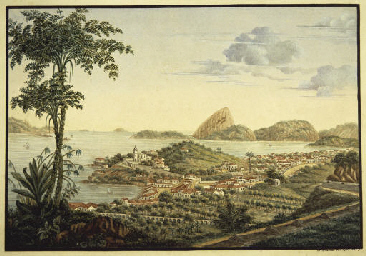
The Irish complained of poor food and accommodation and many simply refused to join the Brazilian army altogether. Several hundred of these men and their families were sent to Taperoá in Bahia to help to diffuse the situation. Others agreed to join the army, but this only made the situation worse.
Tension grew due to non-payment of wages, rough treatment and a growing awareness that soon they would be heading to war. In addition to this, mutual resentment between locals and newcomers often erupted in cachaça-fuelled street fights between the Irish and Cariocas, especially slaves.

The Irish mercenaries did have some friends though: these were German mercenaries, likewise unhappy with their conditions and disappointed at the harsh reality of life in Brazil. Rio was ready to explode and it was not long before the fuse was lit.
On June 9th, 1828, a German soldier was sentenced to a severe lashing due to an allegedly minor infraction (other sources suggest a more serious offense was committed, or that more than one soldier was involved).
The soldier was apparently given 210 lashes before his fellow Germans freed him and chased the officer who had carried out the punishment. The officer escaped but the German mercenaries were joined by the Irish; together, united by their hatred of the Brazilians, they began to riot.
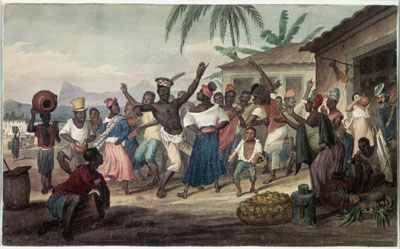
Up to a hundred houses were burnt down, businesses were looted and many innocent Brazilians were killed. The Brazilian army was insufficient to quell the uprising and weapons were given to ordinary citizens (including priests and friars) and, in an unprecedented move, also to slaves. In addition to this, French and British troops helped to put down the riot.
By June 11th peace had returned to Rio, but several hundred lives had been lost and many more had been injured. One of the leaders of the movement, August von Steinhausen, was sentenced to death and another 31 were given various punishments.
About 1,400 Irish were promptly repatriated back to Ireland, but several hundred stayed on as farmers, settling mostly in the South of Brazil. And Dom Pedro I went on to lose the Cisplatine War.
Read More from The Rio Times