Argentina’s First Budget Airline Flybondi Is Down to One Working Plane

Markets · Companies
—The shrinkage. Flybondi, Argentina’s first budget airline, was flying barely one aircraft in early June.
—The exit. Its chief executive has resigned after only months in the job.
—The reversal. Six months ago the airline unveiled a plan to buy dozens of new jets and grow by a fifth again.
—The share. Its slice of Argentina’s domestic market fell from about a quarter to single digits.
—The strain. Salaries have been delayed and staff cut as flights are cancelled en masse.
—The stake. The crisis tests whether private capital can survive in Argentina’s newly opened skies.
The Flybondi collapse is a sharp reversal for an airline that, only months ago, was promising to transform air travel across Argentina.
From dozens of jets to one
Flybondi, the airline that brought cheap flying to Argentina, has come close to grinding to a halt. Flight-tracking data in early June suggested only a single aircraft was operating its remaining services.
The company hopes to return a second plane to service after maintenance, which would lift its active fleet to two. For an airline that once flew about fifteen jets, that is a stunning contraction.
For readers outside the region, the scale matters. Flybondi had grown into Argentina’s second-largest domestic carrier, behind only the state airline, and had opened up air travel to people who once relied on long-distance buses.
Budget airlines, also called low-cost carriers, strip out extras like free checked bags and seat selection to offer much cheaper fares than traditional airlines. They depend on flying many routes with high frequency to make money, which means grounded planes quickly turn a business model upside down.
Its share of Argentina’s domestic market has fallen from roughly a quarter to single digits in a matter of months, as rivals scooped up the passengers it could no longer carry.
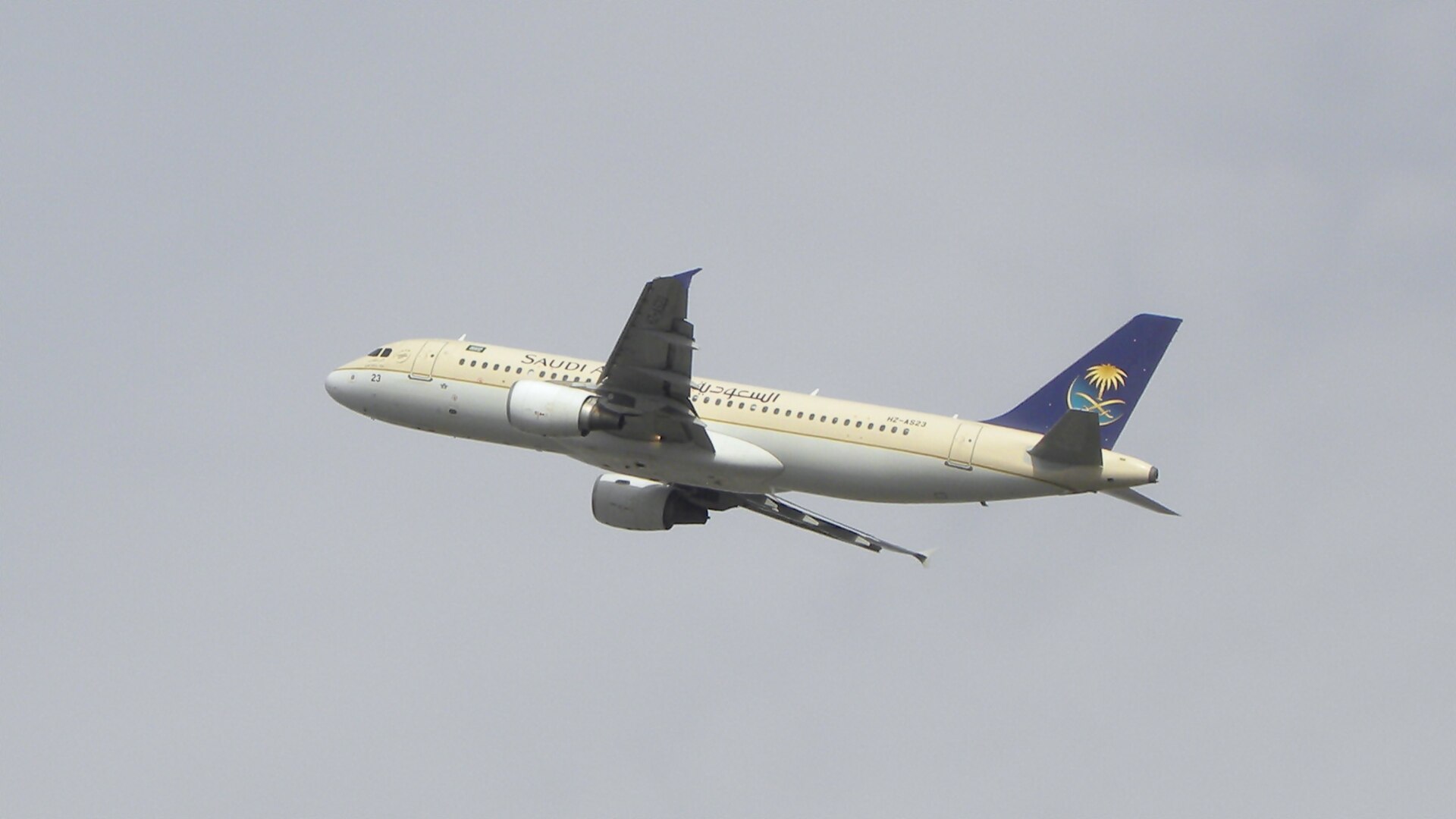
What the Flybondi collapse looks like up close
The unravelling has been swift. Across the year to May, the airline cancelled more than two thousand five hundred flights, hitting hundreds of thousands of passengers and shredding the trust of travellers and regulators alike.
The fleet sits idle mostly because of maintenance backlogs and missed payments on leasing contracts. In one telling case, two planes sent to Mexico for overhaul could not return because of unpaid bills.
Leasing is how most airlines acquire aircraft: they rent planes from specialist finance companies rather than buying them outright, which keeps upfront costs down but requires steady monthly payments in hard currency. Missing those payments can mean losing the plane.
A wet-lease deal with a European operator, which had supplied extra aircraft, came to an end, removing capacity at the worst possible moment and accelerating the collapse of the route network. Wet leasing means renting not just the plane but the crew and maintenance too, a short-term fix that costs more but can plug gaps quickly.
The turmoil has reached the top of the company. The chief executive resigned after only months in the role, and the airline has delayed salaries, launched voluntary redundancies and cut more staff.
A bet that went the other way
What makes the picture so striking is how recently the airline was talking expansion. Late last year it announced a plan to invest heavily in brand-new aircraft and grow its fleet dramatically over several years.
The plan, backed by a United States investment fund that had taken control of the company, envisaged ordering up to thirty-five Airbus and Boeing jets and growing the fleet by more than two hundred per cent.
Instead of growing, the carrier is now fighting to stay in the air. The gap between that ambition and today’s single working plane is the real story of the past six months.
Industry observers point to a scheduling strategy that sold seats beyond what the fleet could realistically fly, raising cash up front but ending in cancellations that hollowed out the airline’s credibility.
Why it matters for Argentina
The story is bigger than one airline. Argentina has spent the past two years opening its skies, loosening rules that long protected a state-owned national carrier kept afloat with public money.
Open skies means allowing more airlines to compete on routes that were once restricted, the idea being that competition brings lower fares and better service. The policy shift was a deliberate break from decades of heavy state involvement in aviation.
Flybondi was meant to be proof that a lean, privately funded airline could thrive in that freer market. Its near-collapse raises the awkward question of whether private capital can really put down roots here.
Argentina’s strict controls on moving money abroad made it hard for the airline to pay foreign suppliers and lessors, a structural problem that any private operator in the country must somehow navigate.
Rivals, including the state carrier and a Chilean-owned low-cost competitor, have gained from Flybondi’s troubles, but the broader test of the open-skies experiment is now harder to pass. Will other investors still see opportunity, or will the difficulties that brought down the pioneer scare off the next wave?
More: Argentina news in English, every day from The Rio Times.
Frequently Asked Questions
What is the Flybondi collapse?
Flybondi, Argentina’s first low-cost airline, has shrunk to barely one operating aircraft after months of mass cancellations, grounded planes and missed payments. Its chief executive has resigned and its share of the domestic market has fallen from about a quarter to single digits.
How did it happen so fast?
Aircraft were grounded by maintenance backlogs and unpaid leasing bills, and a wet-lease deal that supplied extra planes ended. A scheduling strategy that sold more seats than the fleet could fly generated cash but led to cancellations that eroded trust with passengers and regulators.
Why does it matter beyond Flybondi?
Argentina recently opened its aviation market to private competition after years of protecting its state airline. Flybondi was a test of whether private capital could thrive in those freer skies, so its near-collapse raises doubts about the wider experiment and the country’s investment climate.
Connected Coverage
Argentina’s Low-Cost Flybondi Grounds 85% of Fleet Amid Deep Crisis
Flybondi’s $1.7 Billion Bet to Rewrite Argentina’s Airline Game
This article was produced by The Rio Times’ automated newsroom system. How we use AI · Report an error · Editorial responsibility: Matthias Camenzind, Editor-in-Chief
In depth