Rio Rents Jump 43% in Three Years as “Dollarization” Pushes Locals Out
Living in Brazil
Key Facts
—The surge. Average rents in Rio rose 42.7 percent between May 2023 and May 2026, against inflation of 14.9 percent.
—The hotspots. In Copacabana, Ipanema and Leblon, rents per square metre have roughly doubled since 2021.
—The buyers. Foreigners made up about 28 percent of studio purchases in those beach districts from November to April.
—The nomads. Brazil issued 508 digital-nomad visas in 2025, with 117 more in the first quarter of 2026.
—The squeeze. Brazil’s minimum wage is R$1,621 ($314) a month, far below prime-district rents.
Rio rents have climbed almost 43 percent in three years, nearly triple the rate of inflation. Locals are being pushed out of their own neighbourhoods, blaming a force they call the “dollarization” of the city as tourism and remote workers reshape who can afford to live near the beach.
The pressure is turning long-time residents into economic migrants within their own city. Some swap prized southern districts for cheaper areas; others leave the city altogether.
For a foreign reader weighing a move to Rio, the numbers cut two ways. The same international demand that makes the city feel accessible is exactly what is driving up the cost of living in its most famous corners.
How far Rio rents have run
The headline number is stark, Correio Braziliense reported. The average rent per square metre rose from about thirty-six reais in May 2023 to nearly fifty-two in May 2026.
That is an increase of almost forty-three percent, while prices generally rose under fifteen. Small flats have fared worst of all.
Rents for one-bedroom apartments climbed more than half over the same three years. This is the type most sought by young people and single tenants.
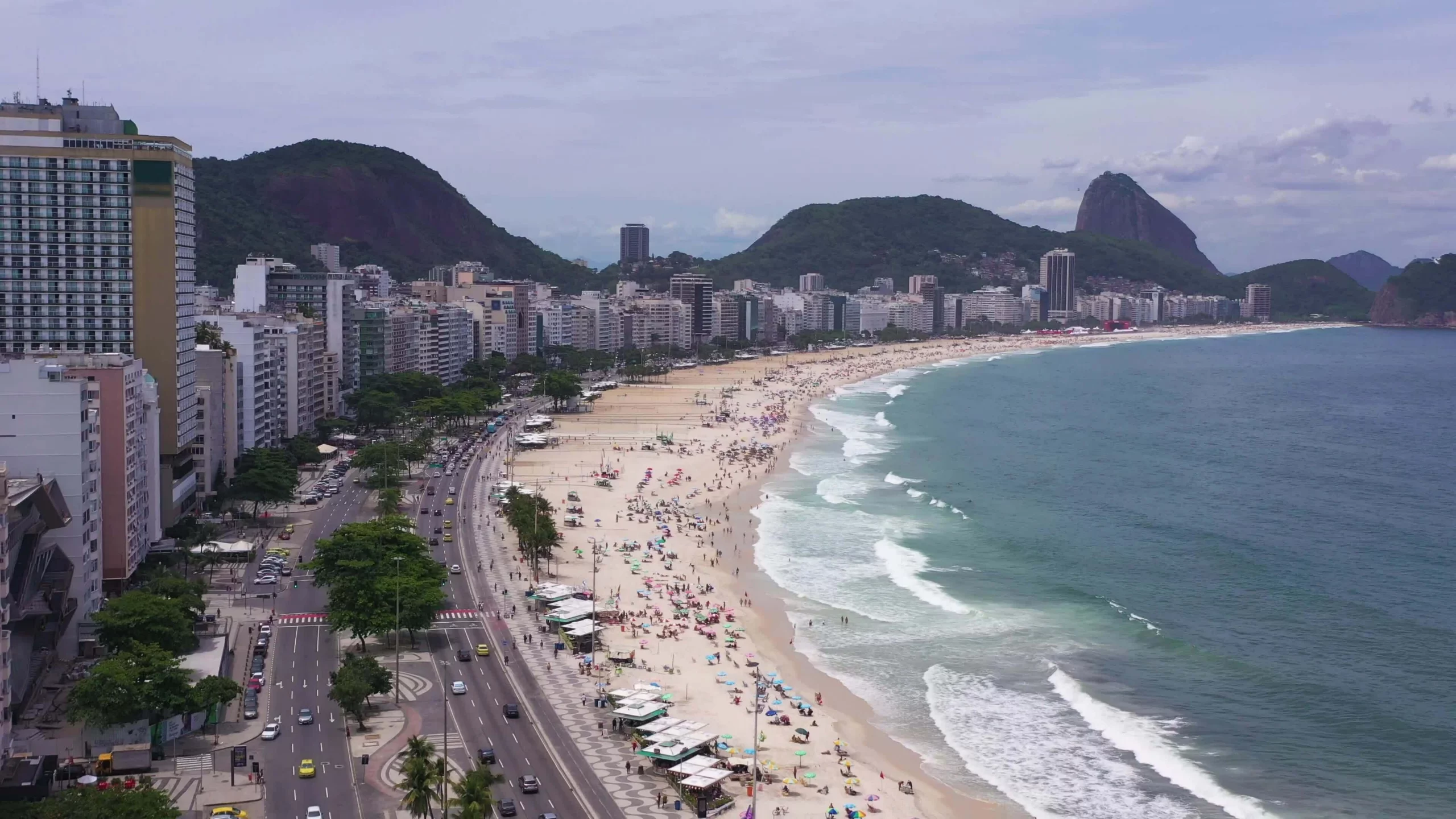
In the beach districts the rise is steeper still. Between 2021 and 2026, the square-metre rent in Copacabana, Ipanema and Leblon each roughly doubled, with Ipanema and Leblon both up more than a hundred percent.

Why locals are being pushed out
The mechanism is short-term letting. A tourism boom has made renting to visitors far more lucrative than signing a long lease, so owners of small flats increasingly choose holiday guests over residents.
That drains the supply of ordinary rentals. Compact apartments, the ones young workers, students and older people rely on, are exactly the stock being pulled into the short-let market.
Foreign money is part of the picture. One agency found that of the studios it sold in the three prime beach districts between November and April, just under a third went to foreign buyers, led by Americans.
The human cost is concrete. One civil servant told local media he left Copacabana for Niterói, across the bay, after years of watching his budget shrink and a mugging near his flat pushed him to go.
The move actually improved his life. He now works minutes from home, bought an e-bike and has time to cook and study, yet still sees rent swallow a large share of his pay.
Behind the squeeze sits a genuine boom. Rio drew around 884,500 international visitors in the first quarter of 2026, more than any other Brazilian gateway, ahead of São Paulo.
Remote workers add a smaller but growing layer. Brazil issued just over five hundred digital-nomad visas last year, and well over a hundred more in the first quarter of 2026.
Officials note that many more arrive as tourists and simply stay. The gap with local wages is the heart of it.
With the minimum wage a little over sixteen hundred reais a month, a single beach-district rent can swallow a worker’s entire pay. That is why the pressure so often ends in a move.
What does dollarization mean for Rio rents?
It is the term residents use for the way tourism, foreign buyers and remote workers earning in hard currency are reshaping the housing market. Their spending power, far above local wages, pushes prices toward what international visitors will pay, pricing many Brazilians out.
Where are priced-out residents going?
Many move to cheaper districts outside the tourist core, or across the bay to neighbouring Niterói, where rents stretch further. Some leave Rio entirely, trading the beach-district lifestyle for a budget that actually fits a local salary.
Should expats expect these prices too?
Largely yes, in the prime southern districts, where much of the demand is foreign. Expats on modest budgets increasingly look to areas like Botafogo or across the bay for better value, the same shift many locals are already making.
More: Brazil news in English, every day from The Rio Times.
Frequently Asked Questions
How much have Rio rents risen compared to inflation?
Average Rio rents rose 42.7 percent between May 2023 and May 2026. That is nearly triple the inflation rate of 14.9 percent over the same period.
How much have rents risen in the beach districts?
In Copacabana, Ipanema and Leblon, rents per square metre have roughly doubled since 2021. Ipanema and Leblon are both up more than a hundred percent.
What role are foreigners playing in Rio’s housing market?
Foreigners made up about 28 percent of studio purchases in Rio’s beach districts between November and April. This demand, along with tourism and remote workers, is what residents call the ‘dollarization’ of the city.
How are rising rents affecting local residents?
Brazil’s minimum wage is R$1,621 ($314) a month, far below prime-district rents. The pressure turns long-time residents into economic migrants, with some moving to cheaper areas and others leaving Rio altogether.
Where are priced-out residents going?
Many move to cheaper districts outside the tourist core, or across the bay to neighbouring Niterói. Some leave Rio entirely for a budget that fits a local salary.
Connected Coverage
Rio Foreign Buyers Drive Studio Boom and Rent Surge
Cost of Living in Rio de Janeiro for Expats 2026: A Real Budget Breakdown
This article was produced by The Rio Times’ automated newsroom system. How we use AI · Report an error · Editorial responsibility: Matthias Camenzind, Editor-in-Chief
In depth
The Rio de Janeiro Guide
What The Rio Times publishes for foreigners in Rio de Janeiro, Brazil.
This month
Coming up in Rio de Janeiro
- Whindersson Nunes Plays Rio's Qualistage on 18 October, Tickets From US$13.50 18 Oct
- Black Pantera Opens Brazil Tour at Rio's Circo Voador on 24 October 24 Oct
- Mondial de la Bière in Rio de Janeiro, Brazil: 1,500 Beers at Pier Mauá, October 29–November 1 29 Oct
- Maro Plays Circo Voador in Rio de Janeiro on 3 November 3 Nov
Living in Rio de Janeiro
- Réveillon Copacabana 2027: New Year's Eve in Rio — Fireworks, Traditions and Guide
- Rio vs São Paulo Safety for Expats, District by District
- Rio's Armed Group Map Put 1.6 Million People Under One Faction
- Rock in Rio 2026: What Travelers and Expats Need to Know
Nightlife
Understand Brazil