Brazil’s Right Embraces Lula’s Welfare Playbook for 2026
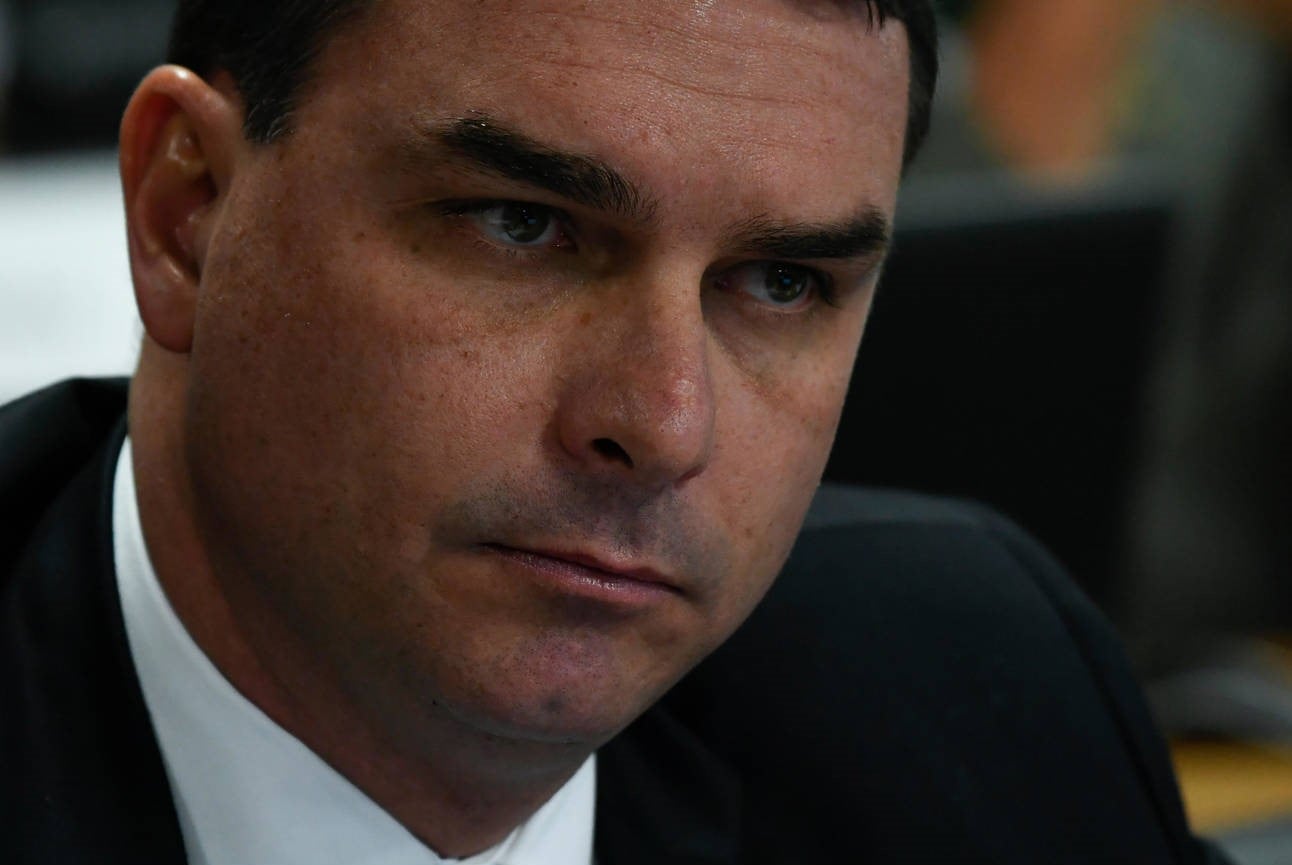
Brazil · Politics
Key Facts
—The shift. Senator Flavio Bolsonaro, the right’s frontrunner, has come out in defence of Lula’s flagship welfare scheme.
—The welfare line. He called the cash-transfer programme an acquired right and rejected stigma against those who receive it.
—The tax pledge. He also backs scrapping income tax for those earning up to five thousand reais a month, about a thousand dollars.
—The difference. The senator says he would fund the tax break with spending cuts, not the new taxes he accuses Lula of using.
—The hire. He named Daniella Marques, a former state-bank chief, to his economic and social-mobility team.
—The signal. The moves sketch how a right-wing government might handle Brazil’s economy after October.
In a shift worth watching, the leading right-wing candidate has reshaped the Bolsonaro economic platform around two of President Lula’s signature policies, while signalling he would pay for them differently.
For years, Brazil’s right has attacked the cash handouts that anchor President Lula’s appeal to poorer voters. This week the right’s leading candidate did the opposite.
Senator Flavio Bolsonaro, son of the jailed former president, came out in defence of those very policies. For investors trying to read the October election, it was a telling move.
A new tone in the Bolsonaro economic platform
Speaking at a business forum in São Paulo, the senator defended Brazil’s main welfare programme, the cash transfer that supports millions of poor families. He called it an acquired right.
He went further, pushing back on the stigma often attached to those who receive it. Every country, he argued, needs a safety net for people who struggle to put food on the table.
He also endorsed a second Lula priority: ending income tax for Brazilians earning up to five thousand reais a month, roughly a thousand dollars. Money left in workers’ pockets, he said, would circulate through shops and create jobs.
For a candidate from the populist right, embracing both pillars of his rival’s social agenda marks a clear softening of tone. It is aimed at the low-income voters who have long favoured Lula.
The dividing line is how to pay
The senator was careful to mark out a difference. He accused the government of funding its tax relief by piling new levies on an already heavily taxed public.
His own approach, he said, would be to cover the lost revenue through spending cuts and an attack on what he called privileges. In other words, the same goals, a different bill.
He also floated a tweak to the welfare scheme itself. Families who find formal work, he suggested, should keep their benefit for up to two years, easing the shock of losing it.
That framing lets him court poorer voters without abandoning the small-state language his base expects. Whether the sums add up is a question the campaign will have to answer.
A market-friendly name joins the team
Alongside the policy, the senator made a personnel move that markets noticed. He named Daniella Marques to his economic and social-mobility team.
Marques is an economist who ran Brazil’s large state savings bank in the final months of the previous right-wing government. She had earlier worked under that administration’s pro-market economy minister.
The senator praised her time at the bank, pointing to microcredit schemes aimed at women entrepreneurs. He called her the best person on his predecessor’s economic team.
Analysts read the hire as a placeholder for a bigger reveal. Many expect the senator to name a full economic chief later, much as his father unveiled a star minister before the 2018 vote.
Why it matters to outsiders
For a London or Munich investor, the detail beneath the politics is what counts. Both leading candidates now back cash transfers and tax relief, narrowing the gap on headline policy.
The real contest is over Brazil’s strained public finances and who can fund popular promises without widening the deficit. That is the question markets keep returning to.
The move also comes as the senator slips in the polls, giving it the look of an attempt to broaden his appeal. It lands just as the race enters its decisive months.
For now, the takeaway is simple. On what to spend, the two sides are converging; on how to pay, they remain far apart.
The convergence itself tells a story about Brazil. Cash transfers have become so embedded that even the right now treats dismantling them as politically off the table.
That leaves the fiscal argument doing all the work. With public debt high and the deficit stubborn, every popular promise now invites the same hard question of where the money comes from.
More: Brazil news in English, every day from The Rio Times.
What did Flavio Bolsonaro say about welfare?
He defended Brazil’s main cash-transfer programme as an acquired right and rejected stigma against recipients, a notable break from the right’s usual criticism of the scheme, which is closely tied to President Lula.
How does his economic plan differ from Lula’s?
He backs the same income-tax exemption for lower earners but says he would fund it through spending cuts rather than the new taxes he accuses the government of using, the same goals paid for in a different way.
Who is Daniella Marques?
She is an economist who led Brazil’s state savings bank in 2022 and 2023 and previously worked under the last right-wing government’s pro-market economy minister, now joining the senator’s economic and social-mobility team.
Connected Coverage
Lula Opens His First Clear Lead in the Polls
This article was produced by The Rio Times’ automated newsroom system. How we use AI · Report an error · Editorial responsibility: Matthias Camenzind, Editor-in-Chief