Flávio Bolsonaro’s Defence Asked Four Times for a Different Justice
BRAZIL · STF
Key Facts
- —The filings Flávio Bolsonaro’s defence asked four times that the Dark Horse earmarks case go to Justice André Mendonça rather than Justice Flávio Dino.
- —The argument The defence alleged artificial prevention and noted Mendonça already held five of six related processes.
- —Where they went Two petitions to the court president, two to Dino directly.
- —When July 2026. Reported dates differ between outlets and The Rio Times does not state a single one.
- —The outcome Not stated in the filings. The 10 September operation proceeded under Dino.
- —The source Folha de S.Paulo, carried by Agência Brasil on 12 September.
Which justice holds a case decides a great deal in Brazil, and the parties know it. This is the paper trail of one attempt to choose.
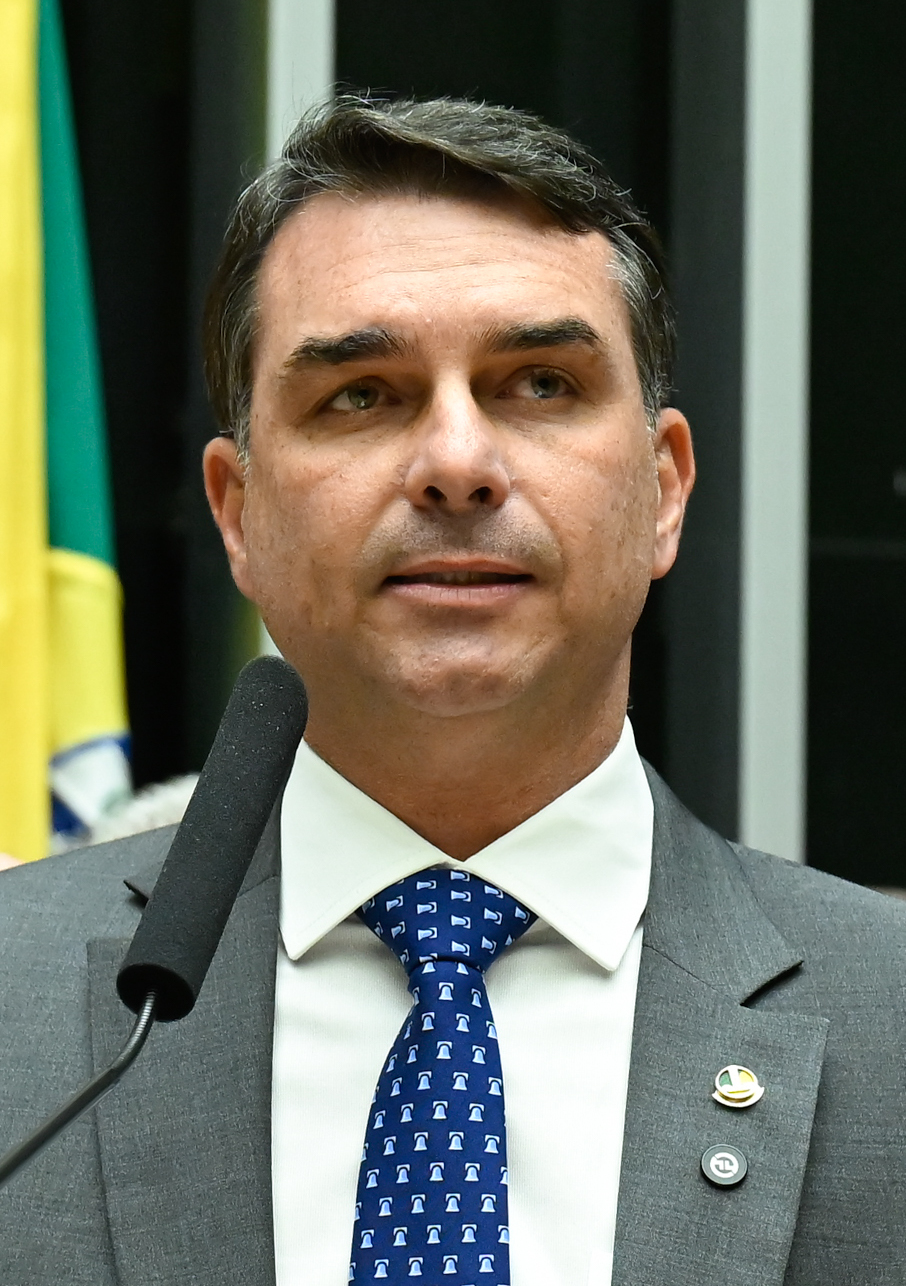
Senator Flávio Bolsonaro’s defence team filed four petitions asking that the Dark Horse congressional-earmarks case be moved from Justice Flávio Dino to Justice André Mendonça, according to reporting by Folha de S.Paulo.
What Was Asked
The four petitions argued that the case belonged with Mendonça, who already held five of six related processes, and characterised the assignment to Dino as prevenção artificial, an artificial claim of prior connection.
Two of the petitions went to the president of the Supreme Court and two went to Dino himself. The filings date from July 2026; reported dates differ between outlets, and The Rio Times does not state a single one.
Why the Assignment Matters
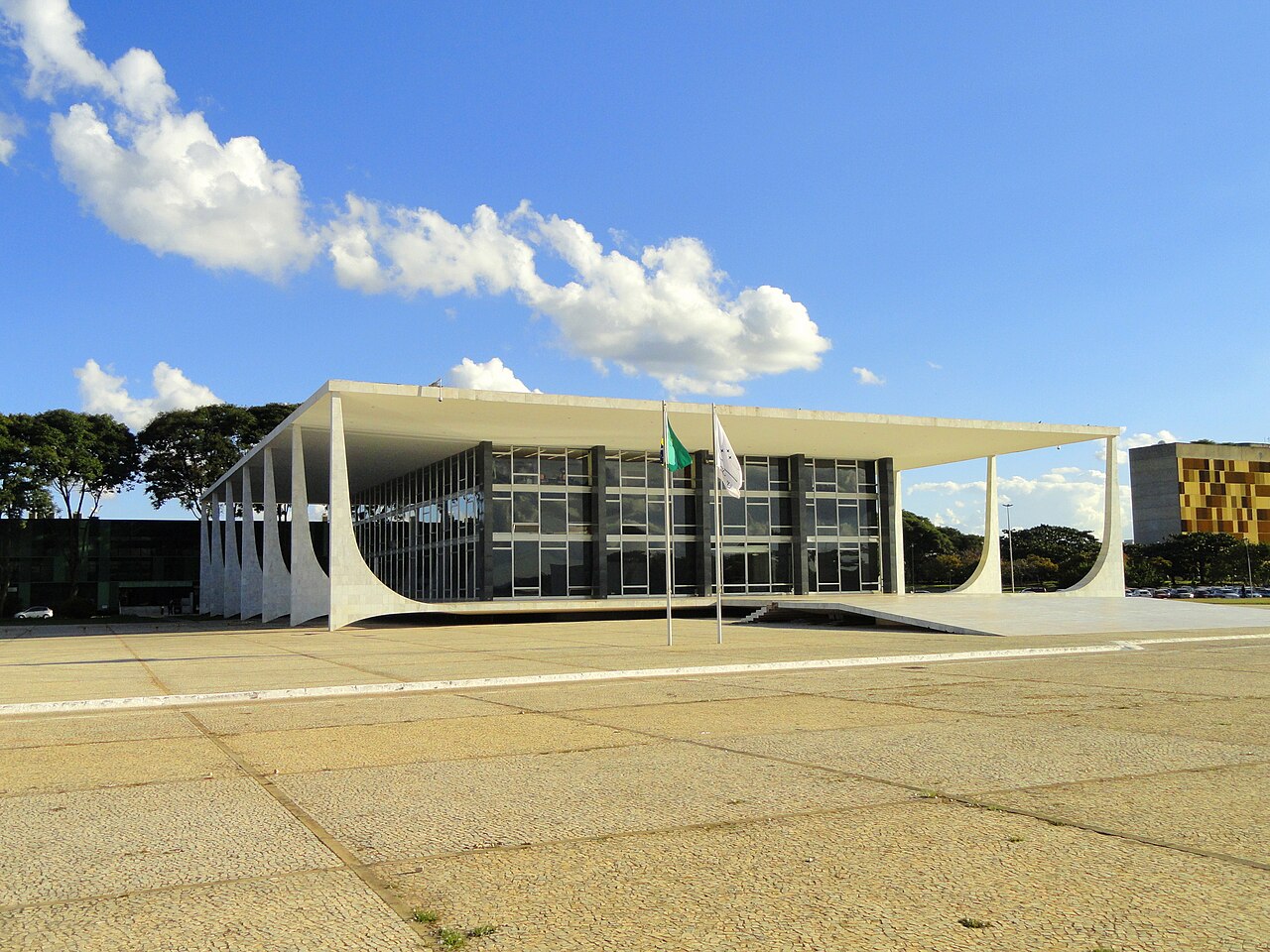
In the Brazilian Supreme Court, a case is assigned to one justice who acts as rapporteur and decides on searches, secrecy, custody and the pace at which the file moves.
Prevention, prevenção, is the rule under which a justice already holding connected matters keeps the new one. It is intended to prevent contradictory decisions, and in practice it is one of the most contested procedural questions in the court, because the answer determines who exercises those powers.
A defence arguing artificial prevention is saying that the connection asserted between the cases was manufactured to place the file with a particular justice. That is a serious allegation about the court’s own distribution, and it is made in writing.
The Outcome
The filings do not record a ruling, and no source states one. What is observable is the result: the 10 September Federal Police operation was authorised by Dino, and it was Dino who lifted the case’s secrecy on 13 September.
The requests therefore appear not to have succeeded, at least not before the operation was executed.
How It Fits the Wider Reshuffle
Mendonça had earlier been assigned as rapporteur of part of the Dark Horse complex by the court’s president, so the defence was pressing a live jurisdictional question rather than inventing one.
Separately, Justice Edson Fachin has centralised Banco Master and social-security processes in the court presidency. The effect of these movements is that the several strands touching Master, the earmarks and the judiciary are being redistributed across a small number of justices, and the parties are litigating over which.
That is the context in which four petitions in a single month are worth reporting. They are evidence of how much the parties believe the identity of the rapporteur is worth.
What Is Not Established
The Rio Times has not seen a ruling on the four petitions and does not state their disposition. The dates of the filings are reported inconsistently across Brazilian outlets.
Nor does the existence of the petitions say anything about the merits of the underlying case. A defendant is entitled to contest which judge hears a matter, and doing so is not evidence of anything else.
More: Brazil news in English, every day from The Rio Times.
Frequently Asked Questions
What did the defence ask for?
That the Dark Horse earmarks case be assigned to Justice André Mendonça instead of Justice Flávio Dino.
How many times?
Four petitions, two to the court president and two to Dino directly.
On what grounds?
Artificial prevention, and that Mendonça already held five of six related processes.
Did it work?
No ruling is on record. The 10 September operation and the 13 September unsealing both proceeded under Dino.
Who reported it?
Folha de S.Paulo, carried by Agência Brasil on 12 September 2026.
Sources: Folha de S.Paulo, Agência Brasil, Terra.
This article was produced by The Rio Times’ automated newsroom system. How we use AI · Report an error
Read More from The Rio Times