The Fitch Oi Rating Went From Restricted Default to Default, and Then Was Withdrawn
BRAZIL · TELECOMS
Key Facts
- —The action Long-term ratings cut from RD to D, national ratings from RD(bra) to D(bra), then withdrawn.
- —Why withdrawn Fitch says it lacks the information to estimate recovery prospects for creditors.
- —The accounts Oi’s most recent consolidated financial statements date from 30 June 2025.
- —The court A Rio de Janeiro appeal chamber unanimously restored the bankruptcy on 25 August.
- —The debt More than 44bn reais, about US$8.6bn, across roughly 164,000 creditors.
- —The catch The fibre business sold to V.tal was shielded from clawback by the same ruling.
This is not an investment grade company falling over. It had already defaulted, and the file has now closed.
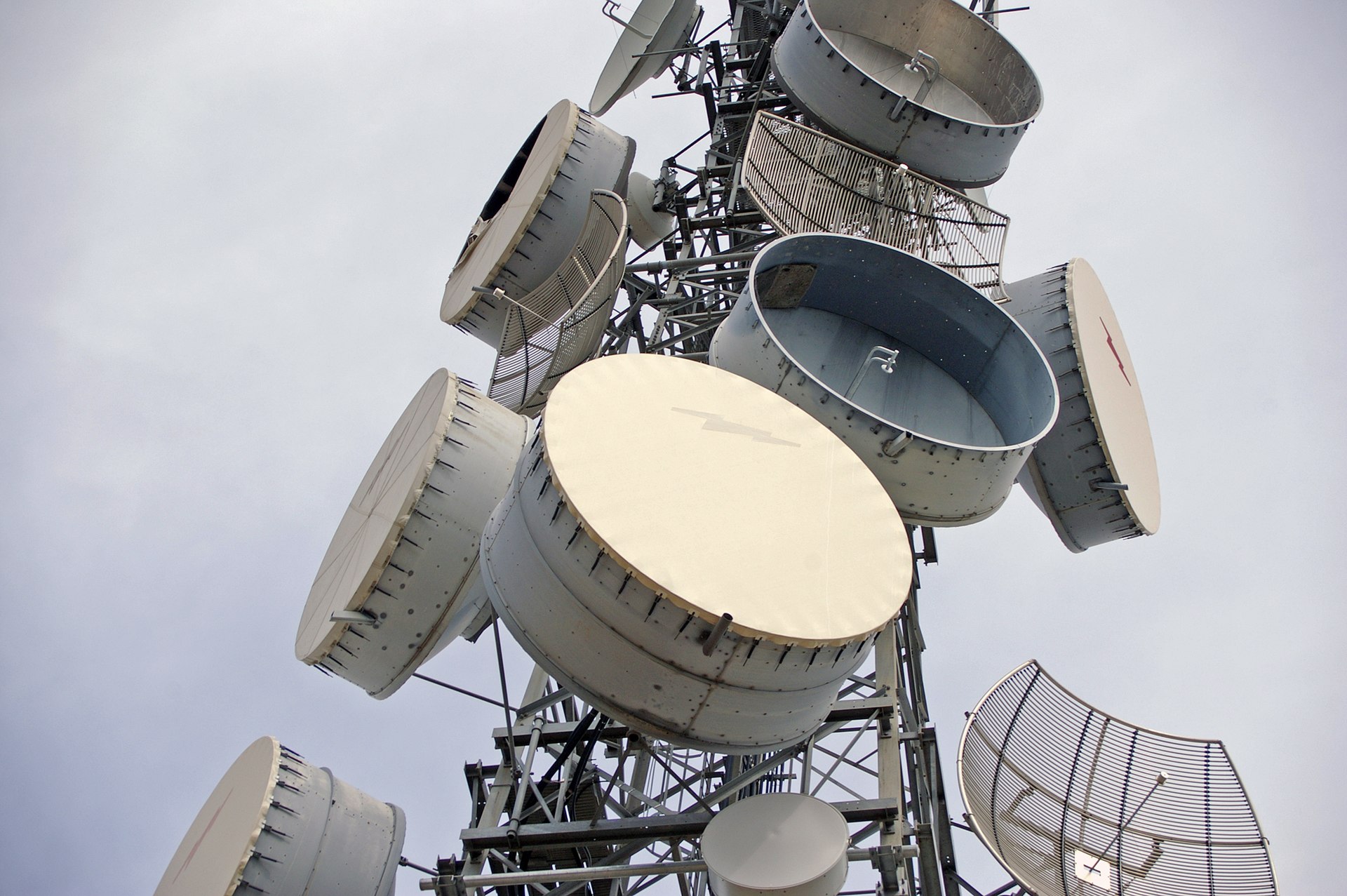
The Fitch Oi rating was cut on Monday, 14 September 2026, and then withdrawn. The company will no longer be covered by the agency.
One detail is being lost in the summaries. The Fitch Oi rating was already in a default category before Monday’s action.
What Changed
The long-term foreign and local currency issuer ratings moved from RD to D. The national long-term rating moved from RD(bra) to D(bra).
RD stands for restricted default, meaning an issuer has defaulted on some obligations while continuing to operate. D is full default.
So the move is from one default category to another. A downgrade to default is accurate, but this was not a fall from investment grade.
Fitch then withdrew all the ratings, including senior secured notes due in 2027 and 2028. Its stated reason is that it lacks sufficient information to estimate recovery prospects.
That reason points at a specific gap. Oi’s most recent consolidated financial statements date from 30 June 2025, more than a year ago.
The Bankruptcy Took Two Attempts
The court history matters because it explains why this happened now rather than last November. A first-instance judge in Rio de Janeiro decreed bankruptcy in November 2025.
Her reasoning was that Oi was maintaining its activities anomalously, sustained by asset sales and borrowing rather than by its own operations. She also cited evidence of mismanagement and asset depletion.
That decree was suspended while creditor banks appealed. Bradesco and Itaú were the appellants.
On 25 August 2026 an appeal chamber of the Rio de Janeiro court rejected both appeals unanimously. It restored the bankruptcy and simultaneously closed the judicial recovery.
A lawyer was appointed as judicial administrator. So what happened is a conversion of the second judicial recovery into liquidation, confirmed on appeal.

Who Is Owed What
Debt is put at more than 44bn reais, about US$8.6bn. Negative equity as of March 2026 exceeded 22.6bn reais, roughly US$4.4bn.
There are approximately 164,000 creditors. Banco do Brasil, Bradesco, Itaú, Caixa and Santander are owed around 4bn reais, about US$780m, on guarantees alone.
Suppliers are owed about 1.7bn reais, some US$330m. Those are the figures that will determine how long the liquidation runs.
What the Ruling Protected
The appeal chamber did something creditors will have noticed. It preserved asset sales and guarantees executed during the second recovery.
That explicitly shields the transfer of the fibre business to V.tal, which now trades as the broadband operator Nio. Those assets are not exposed to clawback or creditor seizure.
Labour claims and liability actions are unaffected by that protection. They proceed on their own track.
The regulator says the decision assured continued provision of essential services during a transition. Provisional operational continuity for connectivity was authorised.
How a National Champion Got Here
Oi was Brazil’s incumbent fixed-line operator across most of the country. Its first judicial recovery was among the largest ever filed in Brazil.
That process concluded in December 2022. A second recovery was filed in March 2023, barely three months later.
The intervening years were a sequence of disposals. The mobile business went to Claro, TIM and Vivo, the fibre network to V.tal, and towers and data centres to other buyers.
Each sale raised cash and removed a revenue stream. The first-instance judge’s phrase about sustaining activities through asset sales describes that pattern precisely.
What was left was a shrinking company with a debt stack built for a much larger one. The arithmetic caught up with it.
What a Withdrawal Means for Investors
Withdrawing the Fitch Oi rating is not a further downgrade. It means the agency has stopped forming an opinion.
For holders of the 2027 and 2028 notes, recovery estimates will now come from the liquidation rather than from a rating. The administrator’s work decides the outcome.
For index and mandate purposes, an unrated defaulted issuer is generally ineligible in any case. Most institutional holders will have written the position down long before Monday.
More: Latin American business and markets, every day from The Rio Times.
Frequently Asked Questions
What did Fitch do to Oi?
It cut the long-term issuer ratings from RD to D and the national ratings from RD(bra) to D(bra), then withdrew all ratings including the 2027 and 2028 senior secured notes.
Why did Fitch withdraw the ratings?
It says it lacks sufficient information to estimate recovery prospects. Oi’s most recent consolidated financial statements date from 30 June 2025.
Is Oi bankrupt?
Yes. A first-instance Rio de Janeiro judge decreed bankruptcy in November 2025, the decree was suspended on appeal, and an appeal chamber unanimously restored it on 25 August 2026.
How much is owed?
More than 44bn reais, about US$8.6bn, across roughly 164,000 creditors. Five large banks are owed around 4bn reais on guarantees alone, about US$780m, and suppliers about 1.7bn reais, some US$330m.
What happens to Oi’s services?
The regulator says the court decision assured continued provision of essential services during a transition phase, with provisional operational continuity authorised for connectivity.
Sources: Money Times and BPMoney of 14 September, Migalhas, TELETIME, Poder360 and Anatel.
This article was produced by The Rio Times’ automated newsroom system. How we use AI · Report an error
Read More from The Rio Times