Firearms in civilian hands – Latin America between regulation and détente
The attempted shooting of Argentine Vice President Cristina Fernández de Kirchner has shown how easy it is to obtain weapons on the informal market.
The problem affects the entire region, where 60 million weapons are in the hands of civilians, with Brazil and Mexico being the most heavily armed countries.
According to the Argentine press, the young man who wanted to shoot Cristina Fernández de Kirchner had acquired the gun illegally in Villa del Parque (northwest Buenos Aires), the old neighborhood where 35-year-old Fernando Sabag Montiel lived with his parents.

The case reignited controversy over the ease with which weapons can be acquired on the black market and the need for comprehensive gun control among the population – a difficult task, but one to which many countries in the region are committed.
According to a study published in 2018 by the independent Swiss research project Small Arms Survey, there are approximately 60 million firearms in civilian hands in Latin America and the Caribbean.
Brazil is the country in the region with the most armed civilians, both legally and illegally, followed by Mexico, Venezuela, and Colombia.
ARGENTINA
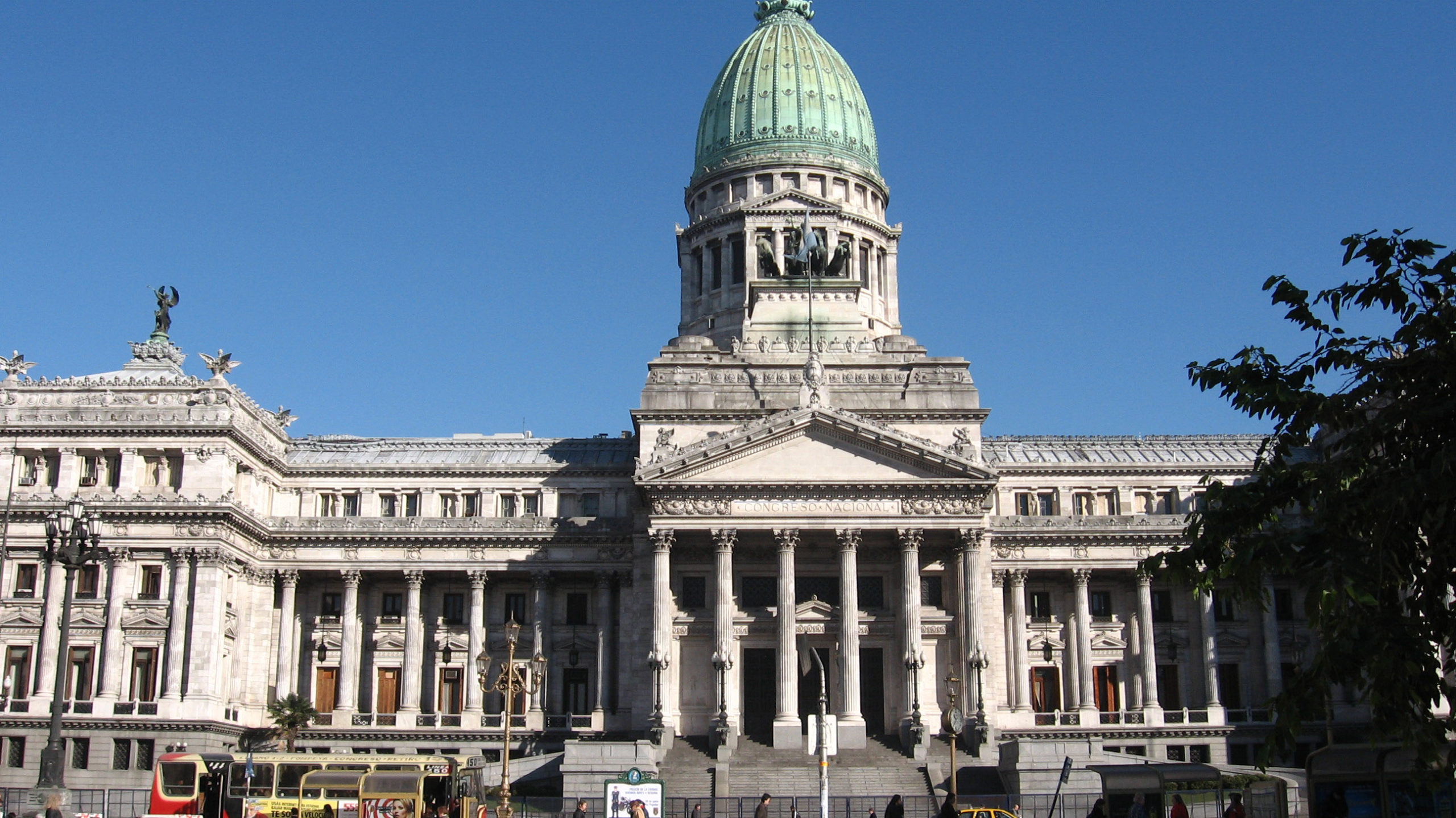
In Argentina, National Arms and Explosives Law 20.429 regulates the acquisition, use, possession, carrying, and transfer of weapons of any kind or the transportation of weapons.
In this country, those who wish to acquire a weapon must first obtain a firearms license, which allows them to transport the weapon unloaded and separate from the ammunition, and to use it only for legal purposes such as hunting or sport shooting
The procedure is carried out before the National Agency for Controlled Materials (Anmac), whose objectives also include “cooperation in the development of criminal justice policies in this area” and the “development and implementation of measures to prevent armed violence.”
MEXICO

Mexico recognizes in its Constitution the right to bear arms, including for purposes of personal security.
Article 10 of the Mexican Federal Constitution recognizes the right of Mexican residents to “possess in their homes weapons for their security and legitimate self-defense, except for those prohibited by federal law and reserved exclusively for the permanent armed forces and the reserve corps.”
The text clarifies that “federal law establishes the conditions, requirements, and places where residents may be authorized to bear arms.”
In this case, the Constitution grants this power as a guarantee of life and inviolability of the home, although access to this power requires a procedure (valid for two years) before the Secretariat of National Defense (SEDENA), the body that issues the permits and where the Federal Weapons Registry is later kept.
VENEZUELA
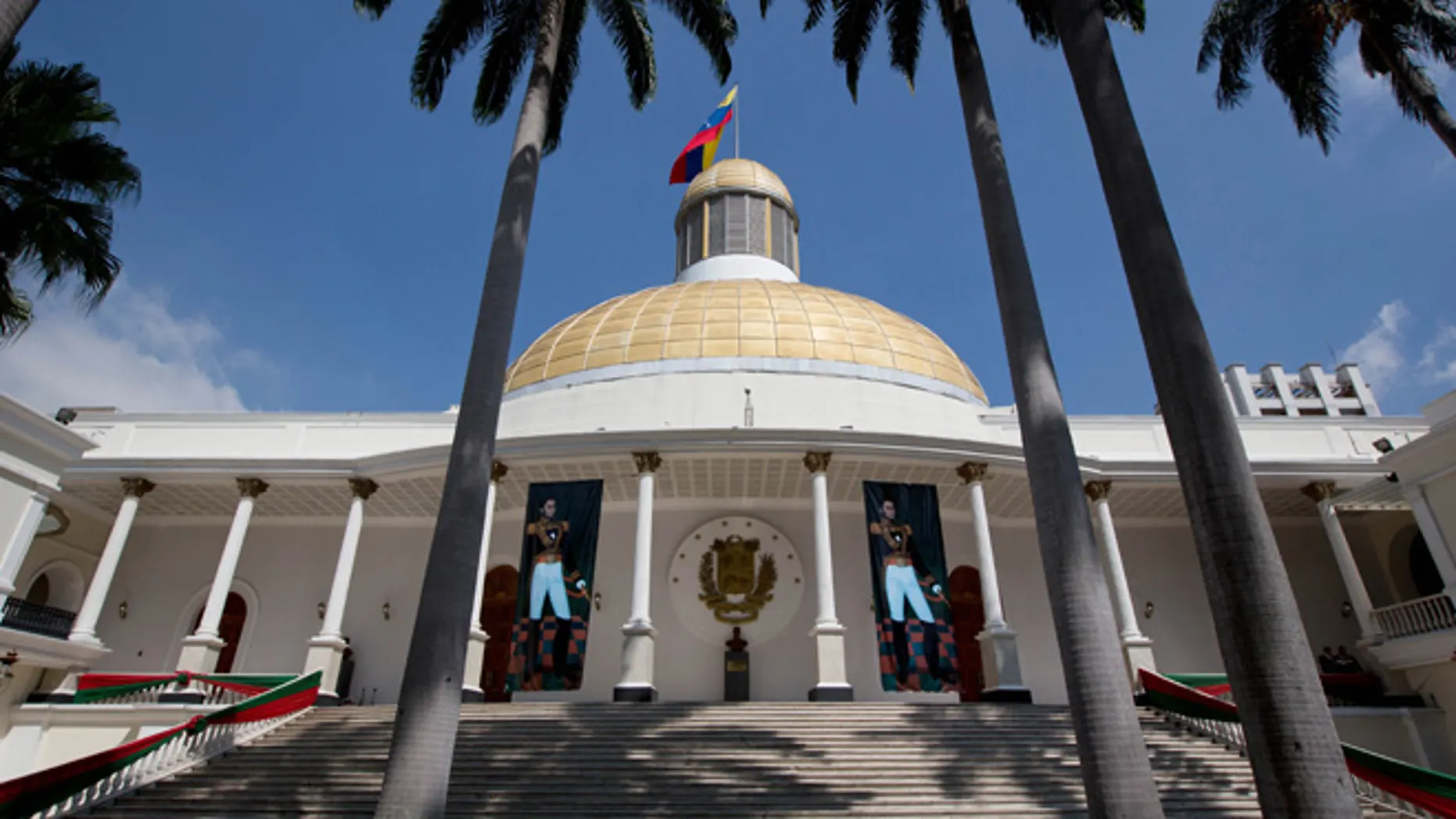
The country has promoted policies that limit civilians’ weapons access as much as possible.
In this regard, the government of Nicolás Maduro suspended the carrying of weapons throughout the national territory in 2019 to ensure the safety of citizens, peace, and internal order.
Exempt from the measure are the armed forces, police, security officers of various government agencies, and personnel responsible for the security of cash-in-transit companies.
Previously, in 2013, the government enacted the Law on Disarmament and Control of Arms and Ammunition, which, among other things, restricts the sale of weapons to private individuals in 126 articles, punishes violations of the law with seven to 20 years in prison, and establishes a fund for victims of gun violence.
In addition, the government is implementing a voluntary disarmament plan in which Venezuelans are asked to turn in firearms or ammunition that could threaten their lives.
According to Justice Minister Remigio Ceballos, more than one million weapons have been destroyed since 2003 under the disarmament policy of the General Directorate of Arms and Explosives (DAEX).
COLOMBIA
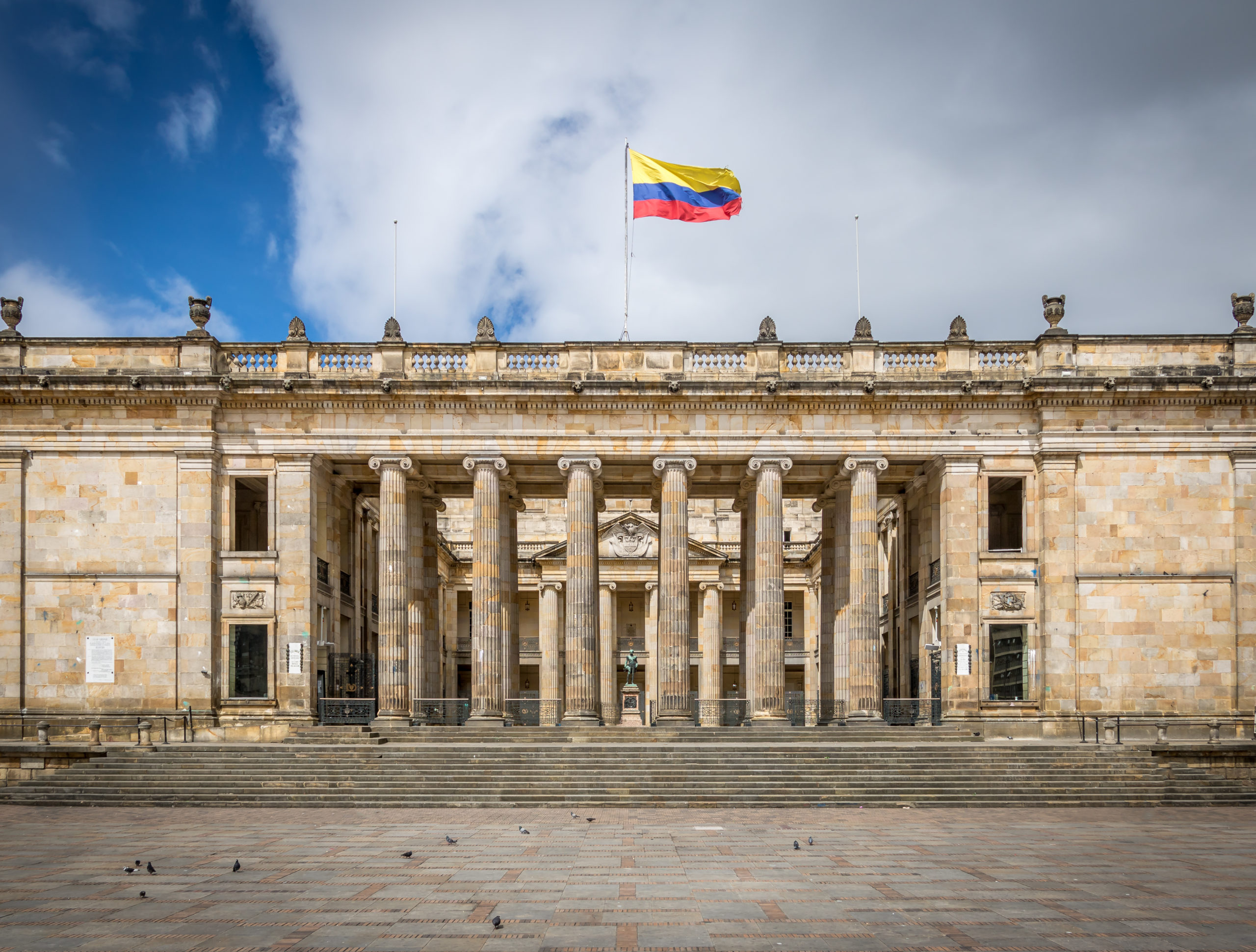
Carrying weapons in the country has been the subject of much recent debate: in 2021, the Iván Duque government issued Decree 1417, which establishes a procedure for obtaining a license and carrying “traumatic weapons” for self-defense purposes.
“Individuals may possess and/or carry traumatic weapons for civilian use with prior authorization from the competent authority,” states the text, which also classifies weapons into three categories: War or private use by security forces, restricted use, and civilian use for personal defense.
In January 2022, the government passed Law 2197 on Citizen Security, which not only changes the duration of existing penalties and recognizes new crimes related to gun violence but also establishes criteria for importing, exporting, trading, and carrying weapons and ammunition.
The regulation requires individuals to apply for a permit from the Department of Control of Commerce in Arms, Ammunition, Explosives and Controlled Chemical Substances (DCCAE), a division of the General Command of the Armed Forces, for both carrying weapons and ammunition.
The regulation also creates a registry of less-lethal weapons, which means that all weapons in circulation must be marked. Colombians have until November 2023 to complete this process.
Currently, illegal gun possession is a problem for the country and a crime punishable by nine to 12 years in prison, although the sentence can be extended if aggravating circumstances are taken into account.
Colombian President Gustavo Petro has stated that “special permits for weapons will be abolished” and a “disarmament plan” will be implemented in the country as a strategy to combat crime.
BRAZIL
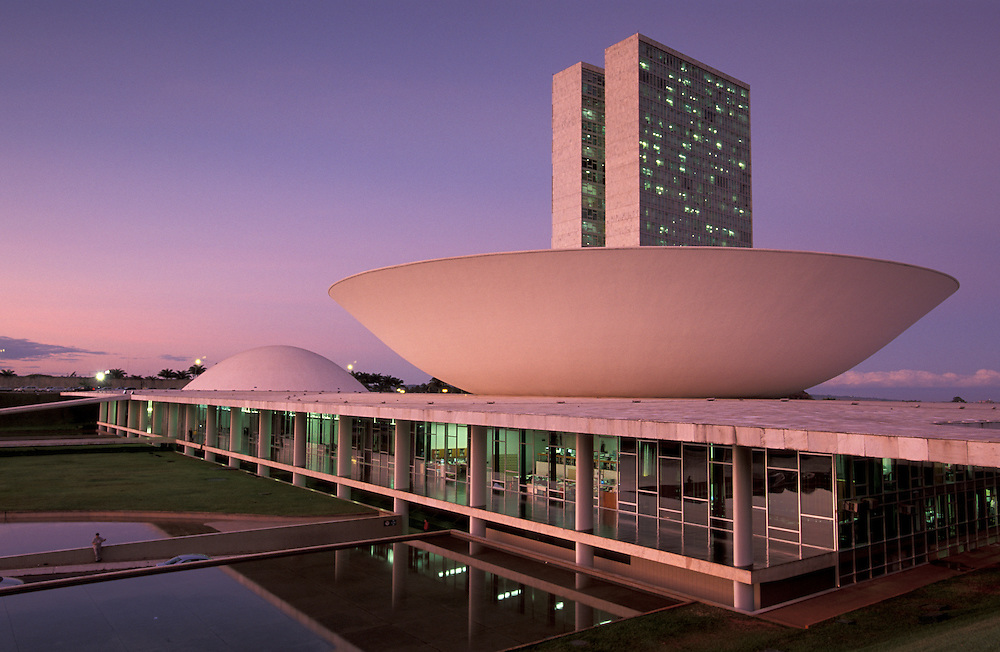
The government of Brazilian President Jair Bolsonaro, in office since January 2019, has made gun ownership and control mechanisms more flexible with at least 30 decrees on the subject, in line with his campaign promises.
A report by the Brazilian Forum for Public Security (FBSP) shows that since 2019, the number of citizens and residents registered in the country to carry weapons has increased by 474%.
According to the Brazilian Armed Forces, 117,500 weapons were in the hands of civilians at the end of 2018.
By July 2022, the number had increased to 673,800, exceeding the total number of licensed police officers in the country (around 406,300).
Recently, Brazil’s Supreme Court temporarily restricted the ability to purchase weapons ahead of general elections scheduled for Oct. 2.
With information from Sputnik
More: Brazil news in English, every day from The Rio Times.
This article was produced by The Rio Times’ automated newsroom system. How we use AI · Report an error
Read More from The Rio Times