Fibra Uno Results: Mexico’s Top Property Trust Holds 96% Occupancy
Markets · Mexico
Key Facts
—Occupancy Portfolio occupancy reached 95.8% at quarter-end, with a 96.1% average for Q2 2026.
—FFO per certificate Funds from operations per CBFI rose to US$0.0613, up 4.8% from US$0.0585 a year earlier.
—Same-store NOI Same-store cash net operating income grew 13.1% year-on-year in the second quarter.
—Net income per CBFI Net income per certificate was a negative US$0.0285, down from a positive US$0.0915 in Q2 2025.
—Tenant retention The tenant retention rate stood at 60.8% during the period.
Fibra Uno results for the second quarter of 2026 revealed a tale of two metrics for international investors tracking Latin America’s largest real-estate market.
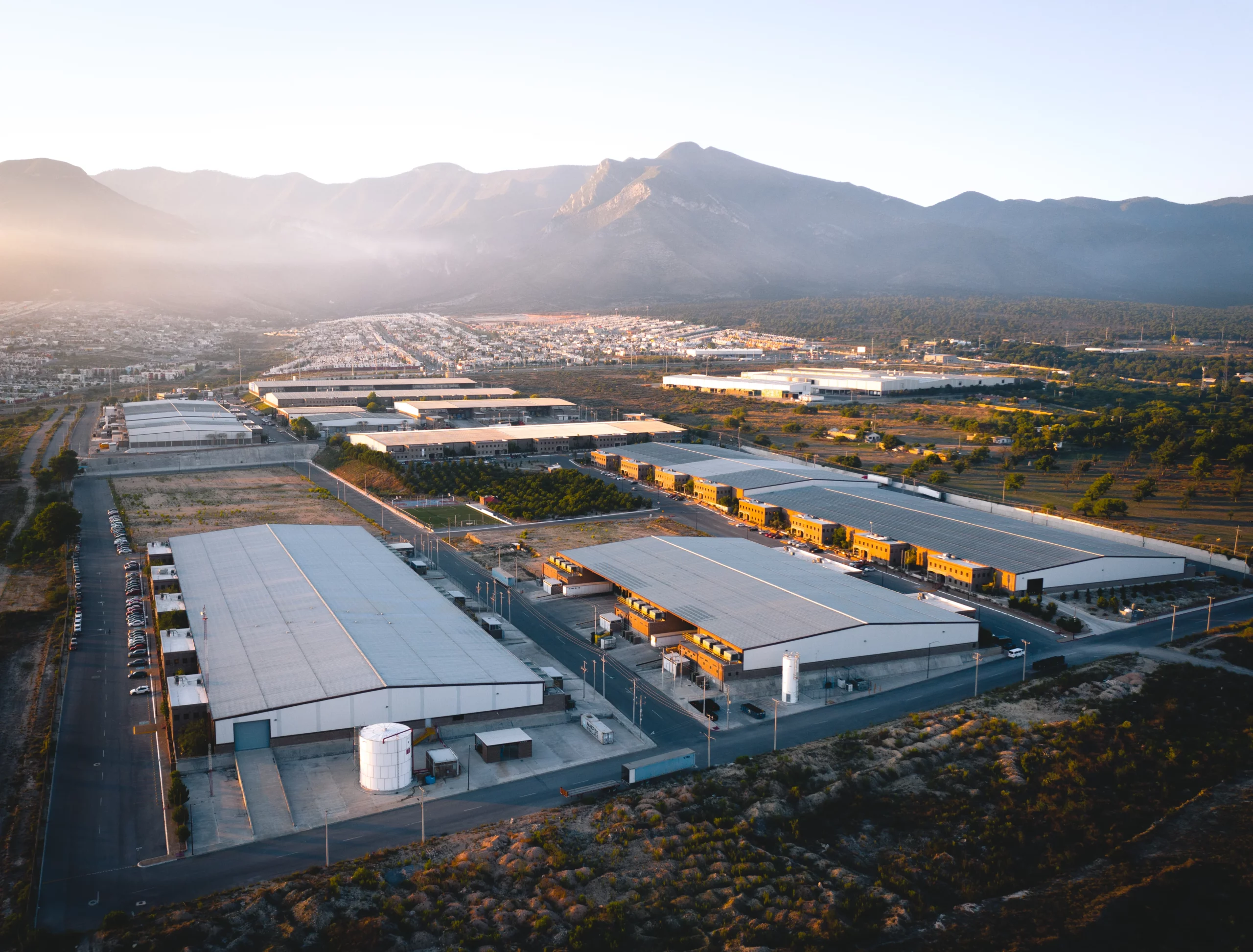
Operating Strength in Mexico’s Industrial Heartland
Fibra Uno, known locally as FUNO and structured as a FIBRA – Mexico’s equivalent of a US REIT – reported portfolio occupancy of 95.8% at the close of the June quarter.
The average occupancy rate across the period was even higher, reaching 96.1%, underscoring resilient demand for its vast industrial and commercial footprint.
Year-on-year occupancy gains were particularly notable in key northern and western industrial hubs, including Monterrey, Guadalajara, and Reynosa.
These cities are critical nodes in nearshoring supply chains, attracting foreign manufacturers relocating operations closer to the US consumer market.
For expat investors unfamiliar with the geography, Monterrey serves as Mexico’s industrial capital, while Guadalajara is the country’s tech and innovation center.
Reynosa, located directly on the Texas border, is a high-traffic logistics and maquiladora zone that benefits directly from US-Mexico trade flows.
Reading the Fibra Uno Results
Same-store cash net operating income, a key gauge of organic growth that strips out acquisitions, jumped 13.1% compared to the same quarter in 2025.
This double-digit expansion signals that FUNO is extracting more value from its existing portfolio through rent escalations and operational efficiencies.
Tenant retention registered at 60.8% during the quarter, a figure that reflects a deliberate portfolio rotation strategy rather than weakness.
Management has been selectively replacing lower-credit tenants with higher-quality occupants, a process that temporarily pressures retention rates but improves long-term cash flow stability.
The trust’s diversified tenant base spans industrial parks, retail plazas, and office towers, though industrial assets now dominate the income mix.
Foreign investors should note that FUNO’s certificates, called CBFIs, trade on the Mexican Bolsa under the ticker FUNO11 and offer direct exposure to hard commercial property assets.

FFO Growth and the Net Income Swing
Funds from operations per CBFI, the industry-standard metric that adds back non-cash charges to net income, reached US$0.0613 in the second quarter.
This represents a 4.8% increase from the US$0.0585 recorded a year earlier, confirming that cash-generating capacity improved.
However, the headline net income per certificate swung to a negative US$0.0285, a sharp contrast to the positive US$0.0915 posted in Q2 2025.
The reversal stemmed entirely from non-operating factors, primarily valuation adjustments on the property portfolio and financial instruments, not from any deterioration in rental operations.
Real-estate trusts routinely mark their assets to market, and in periods of rising interest rates or cap-rate expansion, book values can decline even as rent checks keep arriving.
This accounting dynamic is critical for international investors to understand: the operating business performed well, but paper losses on asset values dragged the bottom-line figure into the red.
What the Numbers Mean for International Investors
For expatriates and foreign capital allocators, the Fibra Uno results present a clear investment narrative: strong property fundamentals coexist with quarterly net-income volatility.
Occupancy above 95% in a portfolio of this scale – FUNO is Mexico’s largest REIT by asset value – provides a margin of safety that smaller trusts cannot match.
The 13.1% same-store growth indicates that in-place leases are repricing upward, a direct hedge against Mexico’s inflationary environment.
Investors should monitor the trust’s distribution policy, as FIBRAs are required to distribute a high percentage of taxable income to certificate holders, creating a yield-oriented total return profile.
The negative net result per certificate does not automatically threaten distributions, because FFO and cash available for distribution are the relevant payout metrics.
Nevertheless, sustained valuation declines could eventually pressure book equity and refinancing conditions, making the next few quarters’ appraisal cycles worth watching closely.
Market Context and Nearshoring Tailwinds
FUNO’s operational resilience arrives against a backdrop of sustained nearshoring investment flowing into Mexico’s industrial real-estate market.
Global manufacturers continue to expand production capacity in border states and the Bajío region, absorbing warehouse and logistics space at rates that outpace new construction.
The trust’s geographic footprint aligns closely with these demand corridors, positioning it as a direct beneficiary of supply-chain reconfiguration away from Asia.
Currency dynamics also matter: foreign investors holding CBFIs earn rental income denominated in Mexican pesos, which have historically offered carry-trade appeal against the US dollar.
At the current exchange rate of approximately 18.5 pesos per US dollar, the trust’s US-dollar-denominated FFO provides a transparent earnings stream for international analysis.
While global interest-rate uncertainty persists, FUNO’s scale and diversified tenant roster offer a degree of insulation that smaller, single-market REITs in Latin America often lack.
More: Mexico news in English, every day from The Rio Times.
Frequently Asked Questions
What is Fibra Uno and how does it relate to a US REIT?
Fibra Uno, or FUNO, is Mexico’s largest FIBRA, a real-estate investment trust structured similarly to a US REIT. It owns and operates industrial, retail, and office properties, and its certificates (CBFIs) trade on the Mexican stock exchange, offering investors liquid exposure to commercial real estate.
Why did Fibra Uno report a net loss per certificate despite high occupancy?
The negative net income per CBFI of US$0.0285 resulted from non-operating valuation adjustments on the property portfolio and financial instruments, not from weak rental operations. Funds from operations, which reflect cash earnings, actually rose 4.8% year-on-year to US$0.0613 per certificate.
How does nearshoring affect Fibra Uno’s business?
Nearshoring drives demand for industrial and logistics space in northern Mexico, particularly in cities like Monterrey and Reynosa where FUNO owns significant assets. This trend supports occupancy rates and rent growth, directly benefiting the trust’s same-store income performance.
Connected Coverage
Carlos Manzo Murder: Mexico Captures Alleged Mastermind ‘El R1’
Constellation Brands Veracruz Brewery Hires 600 Before Its Launch
Sources: Fibra Uno.
This article was produced by The Rio Times’ automated newsroom system. How we use AI · Report an error
Read More from The Rio Times