Europe Intelligence Brief — Thursday, October 1, 2026
Executive Summary
Europe Intelligence Brief for October 1: UK gilts touch 6%, German inflation hits 3.3%, and Poland's looser air rules start.
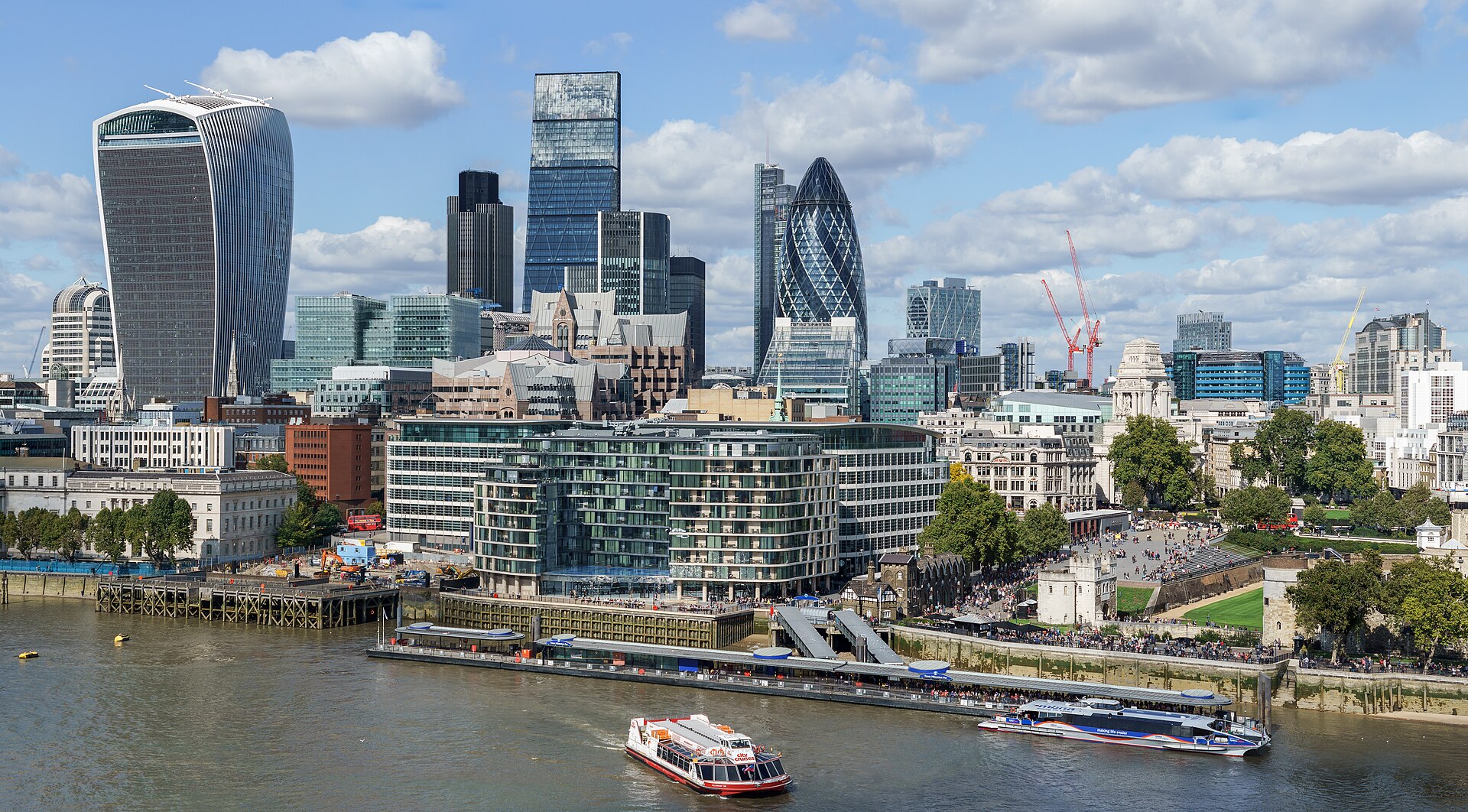
Europe’s temper this Thursday is a balance sheet read aloud. Bond yields, a French budget, a German price print and a British prime minister’s sentence about 2016 all arrived within hours of each other, while Russian drones reached a Kyiv bridge at midday.
The register is the rising price of time. Governments pay more to borrow it, with the UK 30-year gilt yield touching 6 per cent and France’s 10-year yield at its highest since 2002. They also give themselves less of it to decide, as Poland lets pilots engage a target without seeing it.
What steadies the continent is calendar discipline. Serbia votes on 25 October, the European Central Bank meets on 29 October, and the European Council gathers on 15 and 16 October. Eurozone factories, by the HCOB final survey, kept expanding in September.
The through-line is that Europe is paying more for the future and being given less notice about it. Every file today, from the Kyiv bridge to the French deficit, is a decision about who carries a cost and how soon.
Key Facts
—The bridge. Two Russian drones hit near a support of Kyiv’s Southern Bridge at about 11:30 local time on 1 October as a metro train crossed, Mayor Vitali Klitschko said, and the Kyiv Independent reported it as the first strike on a bridge in the capital.
—The reactor site. A drone struck the grounds of Kyiv’s Institute for Nuclear Research at about 6:18 pm on 30 September, starting a fire without injuries, Ukraine’s nuclear regulator said on 1 October; its research reactor has been shut down since February 2022.
—Poland’s air rules. New rules took effect on 1 October that let pilots engage on radar data, entry into a no-fly zone or Ukrainian information instead of visual identification, according to Deputy Defence Minister Cezary Tomczyk, who announced them on 28 September.
—Poland’s gates. The Interior Ministry extended controls on the German and Lithuanian borders to 30 March 2027, Reuters reported on 1 October, citing nearly 1,300 entries denied at the Lithuanian border and nearly 1,200 at the German one since July 2025.
—Germany’s print. Destatis’s flash estimate on 30 September put September inflation at 3.3 per cent, up from 2.9 in August and the highest since December 2023, with energy prices 14.9 per cent above a year earlier and core inflation at 2.4 per cent.
—The yield rout. The UK 30-year gilt yield touched 6 per cent on 1 October for the first time since 1998, Reuters reported; France’s 10-year yield reached 4.94 per cent, its highest since 2002, Euronews reported the same day.
—Paris’s budget. Prime Minister Sébastien Lecornu’s 2027 budget targets a deficit of 5 per cent of GDP, down from 5.4 per cent expected this year, through a €54 billion (about US$61 billion) effort, Euronews reported on 1 October.
—Britain’s sentence. Prime Minister Andy Burnham told the BBC’s Today programme on 30 September that he wants Britain to rejoin the EU “in my lifetime”, while stressing that it is not necessarily the next step, Yeni Şafak reported.
Kyiv’s Bridge Joins The Target List
Two Russian drones hit near a support structure of the Southern Bridge in Kyiv at about 11:30 local time on Thursday, Mayor Vitali Klitschko said on Telegram. Cars and a metro train were crossing, and public transport over the bridge was halted. The Kyiv Independent reported it as the first time Russian drones had targeted one of the capital’s bridges.
The night before, at about 6:18 pm on 30 September, a drone hit the grounds of the Institute for Nuclear Research in Kyiv, Ukraine’s State Nuclear Regulatory Inspectorate said. A fire was put out quickly and nobody was hurt. The research reactor has been shut down since February 2022, its core unloaded, and radiation stayed at 0.16 to 0.20 microsieverts per hour, within the normal background range.
The register in Kyiv is a city counting what it still relies on. A bridge, a school hit earlier the same day, according to Ukrinform, and a nuclear campus show targets moving from the grid to the fabric of daily life. Odesa had its own morning: Russia hit a business centre and one person was injured, regional officials said, while the head of the city’s military administration, Serhiy Lysak, said infrastructure was damaged.
What steadies Kyiv is that the metro kept running on its underground sections and the reactor was inert. What could tip it is repetition: a bridge is a repair job once, and a pattern the second time.
Warsaw Loosens Its Trigger And Keeps Its Gates
Poland’s new air-defence rules took effect on 1 October. Pilots and commanders may now act on “positive verification”, such as a radar reading, an object entering a no-fly zone or information from Ukraine, rather than first seeing the target. Deputy Defence Minister Cezary Tomczyk announced the change on 28 September, and Defence Minister Władysław Kosiniak-Kamysz said the army had the procedures ready; no new law was needed.
On the ground, the Interior Ministry extended controls on the German and Lithuanian borders from 2 October to 30 March 2027, Reuters reported on 1 October. The checks began on 7 July 2025. The ministry said they have denied entry to nearly 1,300 people at the Lithuanian border and nearly 1,200 at the German one.
The register in Warsaw is a frontline state tightening both of its edges. One decision shortens the time to shoot, the other keeps the Schengen gates half closed. Neither is an escalation in itself, but together they say Poland expects the next incident to arrive faster than a committee can meet.
London Watches Gilts Touch Six Per Cent
The UK 30-year gilt yield touched 6 per cent on Thursday for the first time since 1998, peaking at 6.029 per cent, Reuters reported, and the 10-year yield reached 5.51 per cent, the highest since July 2007. The FTSE 100 fell 1.7 per cent to 10,428, and sterling stood at about US$1.33 (EODHD). The new finance minister, John Healey, delivers his first Budget later this month.
The Bank of England held its rate at 3.75 per cent on 17 September on a 6–3 vote, and Reuters said markets price close to an 80 per cent chance of a rise to 4 per cent on 5 November. Reuters pointed to the Iran war, higher US yields and Britain’s borrowing needs, though no single cause is confirmed.
The register in London is the arithmetic of a long-dated promise. When a government pays 6 per cent for 30 years, every pledge in the next Budget is priced against it. Britain holds about 42 days of diesel in reserve, according to a UK press report, and took part in Thursday’s fuel call.
London Opens The Door It Closed In 2016
Prime Minister Andy Burnham told the BBC’s Today programme on 30 September that he wants Britain to rejoin the EU “in my lifetime”, Yeni Şafak reported. He listed options from the status quo to a customs union, the single market or full membership.
In Madrid the same day, Emmanuel Macron called it “excellent news” and Pedro Sánchez said “we would open our arms”, Reuters reported. Both also asked Brussels for flexibility on the EU budget before October’s negotiations, with Sánchez asking for “a little more empathy” for governments facing voters.
The register is cautious welcome. Burnham did not announce an application, and a rejoin vote is not on the calendar. What could tip it is the market: a government paying 6 per cent will find it hard to promise anything expensive to Brussels.
Paris Presents A Budget Of Savings
The government presented the 2027 budget on Thursday with a deficit target of 5 per cent of GDP, against 5.4 per cent expected this year. The effort totals €54 billion (about US$61 billion), of which €43 billion (about US$48 billion) comes from new measures, Euronews reported. It includes a public-sector pay freeze, limits on pension indexation and changes to state-funded sick leave. The conversion uses EUR/USD of 1.124 (EODHD, 1 October).
France’s public debt is forecast at 119.3 per cent of GDP in 2026 and 121.7 per cent in 2027, and its 10-year yield reached 4.94 per cent on Thursday, the highest since 2002. Public-sector unions struck on Tuesday 29 September against the pay freeze. The finance bill must go to the National Assembly by 6 October.
The register in Paris is austerity in a fragmented house. Without a clear majority, Lecornu faces a 70-day constitutional window for debate, and the Socialists have already called the plan a “bitter austerity potion”. Background: How France Lost the Ability to Pass a Budget.
Berlin Posts Its Highest Inflation Since December 2023
Destatis reported on 30 September that inflation rose to 3.3 per cent in September from 2.9 in August, the highest since December 2023, when it stood at 3.7. Energy prices were 14.9 per cent higher than a year earlier, against 10.5 per cent in August. Core inflation, which strips out food and energy, held at 2.4 per cent.
The first read is that this is an energy story and not yet a wage story, because core did not move. The second is that Europe’s largest economy has crossed 3 per cent just as the euro area flash estimate is due on Friday 2 October, with economists polled by market-data services looking for 3.6 per cent.
The register in Berlin is a factory floor with a price tag. The HCOB final manufacturing survey for the euro area came in at 52.9 for September, above the 52.7 flash reading, with output and new orders growing at their fastest since early 2022. Orders are strong, and so are costs. The European Central Bank raised rates by 25 basis points on 11 June and again on 10 September, and meets next on 29 October.
Brussels Phones About Diesel
The European Commission, Britain, France, Italy and Ireland held a call on Thursday about whether emergency diesel stocks should be released, Reuters reported, citing an EU official. US Trade Representative Jamieson Greer said European countries “are sitting on reserves of diesel” and that European prices are higher than American ones.
Reuters also reported that the Trump administration told France and Germany to release stocks or risk a US diesel export ban. Greer did not confirm that. An Élysée official said Macron plans to call a G7 video summit on fuel costs, according to market reports.
The register in Brussels is a dilemma managed by telephone. Releasing stocks eases prices now and leaves less in the tank if the Iran talks fail. No decision had been announced when this brief was compiled on Thursday, and the volumes under discussion were not confirmed.
Belgrade Campaigns Without A President
Aleksandar Vučić resigned as Serbia’s president on Sunday 27 September to lead the Progressive Party’s list in the snap parliamentary election on 25 October. Parliament speaker Ana Brnabić is acting president, and a presidential election must follow within three months.
The main challenger is the Student List, led by the Novi Sad cardiologist Ilija Srdanović and backed by several opposition parties. The movement grew out of protests after the 1 November 2024 collapse of the Novi Sad station canopy, which killed 16 people. N1 hosted a televised debate between party representatives on Thursday.
The register in Belgrade is a ruler testing whether he can win a mandate he no longer needs by office. Vučić told CNN he would congratulate an opposition winner on election night. What could tip the contest is turnout, because the polls disagree on who leads.
What This Means From Latin America
In the desk’s view, Europe’s bond rout reaches Latin America through the borrowing calendar. When UK and French long yields rise together, the benchmark that Latin American Eurobond issuers price against can move too, and the 29 October ECB decision is the next date to watch.
The diesel call is the closest link to the hemisphere. In the desk’s view, Latin America competes with Europe for refined fuel, and a coordinated stock release would lower global diesel prices at the margin. A refusal would leave the competition for cargoes intact, a point worth watching for the region’s fuel importers.
Britain’s rejoin debate and the Madrid summit matter to Latin American diplomacy in a quieter way. In the desk’s view, Spain and France are among the region’s main EU voices, and both are asking Brussels for budget flexibility, which affects how much room remains for trade and development finance.
The comparison is set out at greater length elsewhere. The dossier carries the leader, the country health check and the outcome table with its Latin America column — open the Europe Intelligence Dossier.
What We Are Watching
- Friday 2 October: euro area inflation flash — Eurostat’s first September reading follows Germany’s 3.3 per cent; polled economists look for 3.6.
- Tuesday 6 October: France’s finance bill deadline — Lecornu must lodge the 2027 budget with the National Assembly.
- 15 and 16 October: the European Council — Leaders meet with the EU budget talks on the agenda.
- Sunday 25 October: Serbia’s parliamentary election — The first verdict on the post-protest order, with a presidential vote to follow.
- Thursday 29 October: the ECB decision — The next rate decision, after hikes in June and September.
Background: The ECB’s Hard Choice: Hiking Into a Weakening Economy.
Background: Poland Scrambles Jets After Russian Drones Breach Its Airspace.
Frequently Asked Questions
Why did UK gilt yields hit 6 per cent?
The 30-year gilt yield touched 6 per cent on 1 October for the first time since 1998, Reuters reported, citing the Iran war, higher US yields and Britain’s borrowing needs. The Bank of England held its rate at 3.75 per cent on 17 September, and markets price a likely rise on 5 November.
What changed in Poland’s air-defence rules?
From 1 October, Polish pilots and commanders can engage an unidentified air target on “positive verification”, such as radar data, entry into a no-fly zone or information from Ukraine, instead of visual identification, according to Deputy Defence Minister Cezary Tomczyk. The change is made at army level and needs no new law.
How high is German inflation?
Destatis’s flash estimate put German inflation at 3.3 per cent in September, up from 2.9 per cent in August and the highest since December 2023. Energy prices were 14.9 per cent above a year earlier, and core inflation was 2.4 per cent.
What is France’s 2027 budget aiming for?
The government of Prime Minister Sébastien Lecornu targets a deficit of 5 per cent of GDP in 2027, down from 5.4 per cent expected in 2026, through a €54 billion (about US$61 billion) effort, Euronews reported on 1 October. The finance bill is due at the National Assembly by 6 October.
This article was produced by The Rio Times’ automated newsroom system. How we use AI · Report an error
LatAm Markets: Live Signals → — real-time movers, turnover leaders and FX across Latin America.