IBOV 177,547.57 ▲ 2.44% IPSA 11,009.22 ▲ 0.50% IPC MEX 67,298.78 ▲ 0.88% MERVAL 3,379,771 ▲ 2.98% COLCAP 2,297.00 ▼ 0.19% BVL PERÚ 57,575.02 — — USD/BRL5.06▲ 0.04% USD/MXN17.45▲ 0.32% USD/CLP937.27▲ 0.18% USD/COP3,204▼ 0.73% USD/PEN3.39▼ 0.31% USD/ARS1,482▲ 0.30% USD/UYU40.14▲ 1.16% USD/PYG6,035▲ 1.38% USD/BOB10.95▲ 2.82% USD/DOP57.92▼ 0.14% USD/CRC447.42▲ 1.36% USD/GTQ7.62▲ 2.31% USD/HNL26.74▲ 0.88% USD/NIO36.62▲ 0.31% USD/VES736.04▼ 0.13% USD/PAB1.00— 0.00% USD/BZD2.00— 0.00% USD/JMD157.49▲ 0.36% USD/TTD6.71▲ 0.76% EUR/BRL5.77▼ 0.48% BRENT 92.70 ▼ 1.46% WTI 89.97 ▲ 3.62% IRON ORE 161.91 — — COPPER 6.45 ▼ 0.03% GOLD 4,094 ▼ 1.28% SILVER 59.01 ▼ 1.68% SOY 1,243 ▲ 0.77% CORN 488.25 ▲ 5.68% WHEAT 707.00 ▲ 0.18% COFFEE 315.95 ▼ 0.22% SUGAR 14.77 ▲ 0.20% ORANGE JUICE 147.50 ▲ 2.57% COTTON 81.64 ▲ 2.22% COCOA 5,320 ▼ 0.15% BEEF 219.20 ▼ 3.30% CATTLE 336.15 ▼ 3.83% LITHIUM 69.00 ▼ 0.12% PETR4 42.58 ▲ 2.21% VALE3 75.10 ▲ 3.96% ITUB4 42.90 ▲ 0.87% BBDC4 18.97 ▲ 2.26% ABEV3 16.13 ▲ 2.09% BBAS3 21.09 ▲ 1.01% B3SA3 15.90 ▲ 4.81% WEGE3 46.74 ▲ 10.05% PRIO3 59.77 ▲ 2.73% SUZB3 42.66 ▲ 2.47% RENT3 37.14 ▲ 1.61% AZZA3 17.81 ▲ 1.89% CSAN3 3.92 ▲ 3.70% RAIZ4 0.27 — 0.00% PCAR3 2.75 ▲ 0.73% GMAT3 3.91 ▲ 2.09% PSSA3 55.45 ▲ 3.68% CVCB3 1.27 ▲ 13.39% POSI3 3.70 ▲ 0.54% SLCE3 13.96 ▲ 1.53% NATU3 8.68 ▼ 0.34% BRKM5 6.07 ▲ 6.30% RANI3 8.00 ▲ 1.39% CSNA3 5.38 ▲ 6.32% CMIN3 5.84 ▲ 4.66% USIM5 8.65 ▲ 2.25% GGBR4 24.06 ▲ 2.43% ENEV3 25.97 ▲ 2.16% CPFE3 46.71 ▲ 0.67% CMIG4 11.21 ▲ 1.72% EQTL3 39.35 ▲ 1.34% LREN3 13.54 ▲ 2.03% VIVT3 35.38 ▼ 1.17% RAIL3 13.64 ▲ 3.02% KLABIN 17.93 ▲ 1.93% RAIA DROGASIL 18.29 ▲ 0.88% RDOR3 34.49 ▲ 1.68% HAPV3 11.39 ▲ 1.33% FLRY3 16.65 ▲ 0.60% SMTO3 16.05 ▲ 3.02% UGPA3 32.83 ▲ 3.17% VBBR3 34.98 ▲ 3.03% BBSE3 42.58 ▲ 2.48% BPAC11 57.02 ▲ 2.98% CURY3 30.20 ▲ 0.83% AERI3 2.05 ▲ 0.49% VIVARA 21.55 ▲ 0.65% COMPASS 24.81 ▲ 1.51% VAMOS 3.23 ▲ 4.53% SANB11 26.95 ▼ 0.96% ASAI3 8.40 ▲ 1.82% SBSP3 29.29 ▲ 2.41% WALMEX 48.65 ▼ 1.02% GMEXICO 214.34 ▲ 2.57% FEMSA 227.98 ▲ 0.55% CEMEX 22.17 ▲ 0.45% GFNORTE 191.99 ▲ 3.33% BIMBO 60.30 ▲ 1.53% TELEVISA 9.82 ▲ 0.61% AMX 22.70 ▼ 0.26% GAP 378.40 ▼ 0.03% ASUR 273.53 ▼ 0.52% OMA 229.62 ▲ 1.49% KOF 182.55 ▲ 1.15% GRUMA 280.45 ▼ 0.76% KIMBER 38.85 ▲ 1.17% SQM-B 65,055 ▲ 0.80% COPEC 6,550 ▲ 1.55% BSANTANDER 79.85 ▲ 1.06% FALABELLA 6,042 ▲ 2.08% ENELAM 84.53 — 0.00% CENCOSUD 2,010 ▼ 0.89% CMPC 1,070 ▼ 1.28% BANCO CHILE 193.50 ▲ 1.84% LATAM AIR 24.09 ▼ 0.45% YPF 82,500 ▲ 2.33% GGAL 8,275 ▲ 3.89% PAMPA 5,625 ▲ 2.74% TXAR 668.50 ▼ 1.55% ALUAR 974.00 ▲ 0.10% TGS 9,905 ▲ 2.01% CEPU 2,411 ▲ 3.03% MIRGOR 16,925 ▲ 0.89% COME 43.14 ▲ 0.63% LOMA NEGRA 3,823 ▲ 6.03% BYMA 295.00 ▲ 0.94% TELECOM ARG 4,420 ▲ 3.88% ECOPETROL 16.69 ▲ 0.97% BANCOLOMBIA 84.66 ▲ 1.22% GRUPO AVAL 5.04 ▼ 0.98% CREDICORP 393.43 ▲ 0.60% SOUTHERN COPPER 195.48 ▲ 3.97% BUENAVENTURA 32.09 ▲ 2.69% MERCADOLIBRE 1,799 ▼ 1.29% NUBANK 14.51 ▲ 0.83% XP 17.30 ▲ 2.67% PAGSEGURO 9.67 ▲ 0.94% STONE 11.36 ▲ 0.93% GLOBANT 30.67 ▼ 4.45% TECNOGLASS 45.24 ▲ 0.20% GAP AIRPORT 217.70 ▲ 0.01% ASUR 273.53 ▼ 0.52% OMA AIRPORT 105.35 ▲ 1.07% AMX ADR 26.12 ▲ 0.12% FEMSA ADR 130.96 ▲ 0.47% CEMEX ADR 12.74 ▲ 0.32% PETROBRAS ADR 18.89 ▲ 1.89% VALE ADR 14.85 ▲ 4.21% ITAU ADR 8.48 ▲ 0.95% SANTANDER BR 5.45 ▲ 0.74% AMBEV ADR 3.14 ▲ 0.96% CSN 1.09 ▲ 9.00% GERDAU 4.77 ▲ 2.69% LATAM ADR 51.22 ▼ 0.68% BTC 65,686 ▼ 0.63% ETH 1,926 ▼ 0.41% SOL 77.54 ▼ 0.47% XRP 1.13 ▼ 0.69% BNB 569.30 ▼ 0.25% ADA 0.17 ▼ 0.12% DOGE 0.07 ▼ 0.81% AVAX 6.57 ▼ 0.71% LINK 8.63 ▲ 0.06% DOT 0.82 ▼ 1.82% LTC 46.90 ▼ 0.36% BCH 216.27 ▼ 1.68% TRX 0.33 ▼ 0.44% XLM 0.18 ▼ 1.22% HBAR 0.07 ▲ 1.50% NEAR 1.87 ▲ 0.16% ATOM 1.46 ▼ 0.52% AAVE 97.50 ▲ 0.15% SELIC 14.25% EMBRAER 83.79 ▲ 1.38% EMBRAER ADR 66.05 ▲ 0.89% JBS 12.25 ▲ 2.51% JBS BDR 61.80 ▲ 2.62% MBRF3 16.03 ▲ 6.09% MBRFY 3.19 ▲ 8.14% INTER 5.69 ▲ 1.97% EGX 53,932 ▼ 0.11% USD/ZAR 16.41 — 0.00% USD/NGN 1,370 — 0.00% NIKKEI 66,423 ▲ 0.46% CSI300 4,728 ▲ 0.23% HSI 25,211 ▲ 1.28% NIFTY 23,872 ▼ 0.52% KOSPI 7,097 ▲ 4.40% JCI 6,315 ▼ 0.30% USD/JPY163.36▲ 0.13% USD/CNY6.76▼ 0.21% DAX 25,016 ▼ 0.56% CAC 8,355 ▼ 0.98% FTSE 10,702 ▼ 0.14% MIB 51,840 ▼ 1.80% IBEX 19,443 ▼ 0.66% STOXX 642.90 ▼ 0.62% EUR/USD1.14▲ 0.02% GBP/USD1.34▼ 0.06% SPX 7,499 ▼ 0.14% DJI 52,219 ▼ 0.01% NDX 28,998 ▼ 0.54% RUT 2,960 ▼ 0.92% TSX 35,485 ▲ 0.33% VIX 17.62 ▲ 5.89% USD/CAD1.41▼ 0.04% US10Y 4.6570 ▲ 0.63% IBOV 177,547.57 ▲ 2.44% IPSA 11,009.22 ▲ 0.50% IPC MEX 67,298.78 ▲ 0.88% MERVAL 3,379,771 ▲ 2.98% COLCAP 2,297.00 ▼ 0.19% BVL PERÚ 57,575.02 — — USD/BRL 5.06 ▲ 0.04% USD/MXN 17.45 ▲ 0.32% USD/CLP 937.27 ▲ 0.18% USD/COP 3,204 ▼ 0.73% USD/PEN 3.39 ▼ 0.31% USD/ARS 1,482 ▼ 0.03% USD/UYU 40.14 ▲ 1.16% USD/PYG 6,035 ▲ 1.38% USD/BOB 10.95 ▲ 2.82% USD/DOP 57.92 ▼ 0.14% USD/CRC 447.42 ▲ 1.36% USD/GTQ 7.62 ▲ 2.31% USD/HNL 26.74 ▲ 0.88% USD/NIO 36.62 ▲ 0.31% USD/VES 736.04 ▼ 0.13% USD/PAB 1.00 — 0.00% USD/BZD 2.00 — 0.00% USD/JMD 157.49 ▲ 0.36% USD/TTD 6.71 ▲ 0.76% EUR/BRL 5.77 ▼ 0.48% BRENT 92.70 ▼ 1.46% WTI 89.97 ▲ 3.62% IRON ORE 161.91 — — COPPER 6.45 ▼ 0.03% GOLD 4,094 ▼ 1.28% SILVER 59.01 ▼ 1.68% SOY 1,243 ▲ 0.77% CORN 488.25 ▲ 5.68% WHEAT 707.00 ▲ 0.18% COFFEE 315.95 ▼ 0.22% SUGAR 14.77 ▲ 0.20% ORANGE JUICE 147.50 ▲ 2.57% COTTON 81.64 ▲ 2.22% COCOA 5,320 ▼ 0.15% BEEF 219.20 ▼ 3.30% CATTLE 336.15 ▼ 3.83% LITHIUM 69.00 ▼ 0.12% PETR4 42.58 ▲ 2.21% VALE3 75.10 ▲ 3.96% ITUB4 42.90 ▲ 0.87% BBDC4 18.97 ▲ 2.26% ABEV3 16.13 ▲ 2.09% BBAS3 21.09 ▲ 1.01% B3SA3 15.90 ▲ 4.81% WEGE3 46.74 ▲ 10.05% PRIO3 59.77 ▲ 2.73% SUZB3 42.66 ▲ 2.47% RENT3 37.14 ▲ 1.61% AZZA3 17.81 ▲ 1.89% CSAN3 3.92 ▲ 3.70% RAIZ4 0.27 — 0.00% PCAR3 2.75 ▲ 0.73% GMAT3 3.91 ▲ 2.09% PSSA3 55.45 ▲ 3.68% CVCB3 1.27 ▲ 13.39% POSI3 3.70 ▲ 0.54% SLCE3 13.96 ▲ 1.53% NATU3 8.68 ▼ 0.34% BRKM5 6.07 ▲ 6.30% RANI3 8.00 ▲ 1.39% CSNA3 5.38 ▲ 6.32% CMIN3 5.84 ▲ 4.66% USIM5 8.65 ▲ 2.25% GGBR4 24.06 ▲ 2.43% ENEV3 25.97 ▲ 2.16% CPFE3 46.71 ▲ 0.67% CMIG4 11.21 ▲ 1.72% EQTL3 39.35 ▲ 1.34% LREN3 13.54 ▲ 2.03% VIVT3 35.38 ▼ 1.17% RAIL3 13.64 ▲ 3.02% KLABIN 17.93 ▲ 1.93% RAIA DROGASIL 18.29 ▲ 0.88% RDOR3 34.49 ▲ 1.68% HAPV3 11.39 ▲ 1.33% FLRY3 16.65 ▲ 0.60% SMTO3 16.05 ▲ 3.02% UGPA3 32.83 ▲ 3.17% VBBR3 34.98 ▲ 3.03% BBSE3 42.58 ▲ 2.48% BPAC11 57.02 ▲ 2.98% CURY3 30.20 ▲ 0.83% AERI3 2.05 ▲ 0.49% VIVARA 21.55 ▲ 0.65% COMPASS 24.81 ▲ 1.51% VAMOS 3.23 ▲ 4.53% SANB11 26.95 ▼ 0.96% ASAI3 8.40 ▲ 1.82% SBSP3 29.29 ▲ 2.41% WALMEX 48.65 ▼ 1.02% GMEXICO 214.34 ▲ 2.57% FEMSA 227.98 ▲ 0.55% CEMEX 22.17 ▲ 0.45% GFNORTE 191.99 ▲ 3.33% BIMBO 60.30 ▲ 1.53% TELEVISA 9.82 ▲ 0.61% AMX 22.70 ▼ 0.26% GAP 378.40 ▼ 0.03% ASUR 273.53 ▼ 0.52% OMA 229.62 ▲ 1.49% KOF 182.55 ▲ 1.15% GRUMA 280.45 ▼ 0.76% KIMBER 38.85 ▲ 1.17% SQM-B 65,055 ▲ 0.80% COPEC 6,550 ▲ 1.55% BSANTANDER 79.85 ▲ 1.06% FALABELLA 6,042 ▲ 2.08% ENELAM 84.53 — 0.00% CENCOSUD 2,010 ▼ 0.89% CMPC 1,070 ▼ 1.28% BANCO CHILE 193.50 ▲ 1.84% LATAM AIR 24.09 ▼ 0.45% YPF 82,500 ▲ 2.33% GGAL 8,275 ▲ 3.89% PAMPA 5,625 ▲ 2.74% TXAR 668.50 ▼ 1.55% ALUAR 974.00 ▲ 0.10% TGS 9,905 ▲ 2.01% CEPU 2,411 ▲ 3.03% MIRGOR 16,925 ▲ 0.89% COME 43.14 ▲ 0.63% LOMA NEGRA 3,823 ▲ 6.03% BYMA 295.00 ▲ 0.94% TELECOM ARG 4,420 ▲ 3.88% ECOPETROL 16.69 ▲ 0.97% BANCOLOMBIA 84.66 ▲ 1.22% GRUPO AVAL 5.04 ▼ 0.98% CREDICORP 393.43 ▲ 0.60% SOUTHERN COPPER 195.48 ▲ 3.97% BUENAVENTURA 32.09 ▲ 2.69% MERCADOLIBRE 1,799 ▼ 1.29% NUBANK 14.51 ▲ 0.83% XP 17.30 ▲ 2.67% PAGSEGURO 9.67 ▲ 0.94% STONE 11.36 ▲ 0.93% GLOBANT 30.67 ▼ 4.45% TECNOGLASS 45.24 ▲ 0.20% GAP AIRPORT 217.70 ▲ 0.01% ASUR 273.53 ▼ 0.52% OMA AIRPORT 105.35 ▲ 1.07% AMX ADR 26.12 ▲ 0.12% FEMSA ADR 130.96 ▲ 0.47% CEMEX ADR 12.74 ▲ 0.32% PETROBRAS ADR 18.89 ▲ 1.89% VALE ADR 14.85 ▲ 4.21% ITAU ADR 8.48 ▲ 0.95% SANTANDER BR 5.45 ▲ 0.74% AMBEV ADR 3.14 ▲ 0.96% CSN 1.09 ▲ 9.00% GERDAU 4.77 ▲ 2.69% LATAM ADR 51.22 ▼ 0.68% BTC 65,686 ▼ 0.63% ETH 1,926 ▼ 0.41% SOL 77.54 ▼ 0.47% XRP 1.13 ▼ 0.69% BNB 569.30 ▼ 0.25% ADA 0.17 ▼ 0.12% DOGE 0.07 ▼ 0.81% AVAX 6.57 ▼ 0.71% LINK 8.63 ▲ 0.06% DOT 0.82 ▼ 1.82% LTC 46.90 ▼ 0.36% BCH 216.27 ▼ 1.68% TRX 0.33 ▼ 0.44% XLM 0.18 ▼ 1.22% HBAR 0.07 ▲ 1.50% NEAR 1.87 ▲ 0.16% ATOM 1.46 ▼ 0.52% AAVE 97.50 ▲ 0.15% SELIC 14.25% EMBRAER 83.79 ▲ 1.38% EMBRAER ADR 66.05 ▲ 0.89% JBS 12.25 ▲ 2.51% JBS BDR 61.80 ▲ 2.62% MBRF3 16.03 ▲ 6.09% MBRFY 3.19 ▲ 8.14% INTER 5.69 ▲ 1.97% EGX 53,932 ▼ 0.11% USD/ZAR 16.41 — 0.00% USD/NGN 1,370 — 0.00% NIKKEI 66,423 ▲ 0.46% CSI300 4,728 ▲ 0.23% HSI 25,211 ▲ 1.28% NIFTY 23,872 ▼ 0.52% KOSPI 7,097 ▲ 4.40% JCI 6,315 ▼ 0.30% USD/JPY 163.37 ▲ 0.17% USD/CNY 6.7690 ▲ 0.08% DAX 25,016 ▼ 0.56% CAC 8,355 ▼ 0.98% FTSE 10,702 ▼ 0.14% MIB 51,840 ▼ 1.80% IBEX 19,443 ▼ 0.66% STOXX 642.90 ▼ 0.62% EUR/USD 1.1416 ▲ 0.06% GBP/USD 1.3371 ▼ 0.04% SPX 7,499 ▼ 0.14% DJI 52,219 ▼ 0.01% NDX 28,998 ▼ 0.54% RUT 2,960 ▼ 0.92% TSX 35,485 ▲ 0.33% VIX 17.62 ▲ 5.89% USD/CAD 1.4078 ▼ 0.03% US10Y 4.6570 ▲ 0.63%
since 2009
Thursday, July 23, 2026

Africa Africa & Latin America

Ethiopia Lifts Credit Caps in $3.4 Billion IMF Reform Push

By · July 20, 2026 · 7 min read

Africa Intelligence

A daily Africa read from a Latin American newsroom. Free.

By subscribing you agree to our privacy policy. We never share your email.

Africa · Eastern

Key Facts

Credit cap removed. The National Bank of Ethiopia fully lifted the economy-wide annual credit growth ceiling on commercial banks.

Benchmark rate hiked. The National Bank Rate was raised from 15% to 16%, the first change since its introduction in July 2024.

FX surrender eased. Mandatory foreign-exchange surrender requirements for banks were cut from 50% to 30% of export proceeds.

IMF programme anchor. The reforms are embedded in a $3.4 billion Extended Credit Facility arrangement with the International Monetary Fund.

Targeted reserves introduced. A new bank-specific reserve requirement will discipline lenders that expand credit too aggressively.

Ethiopia has dismantled its final **Ethiopia credit caps**, completing a historic pivot to interest-rate-based monetary policy that reshapes how Africa’s second-most-populous nation fights inflation, allocates capital, and engages with global creditors.
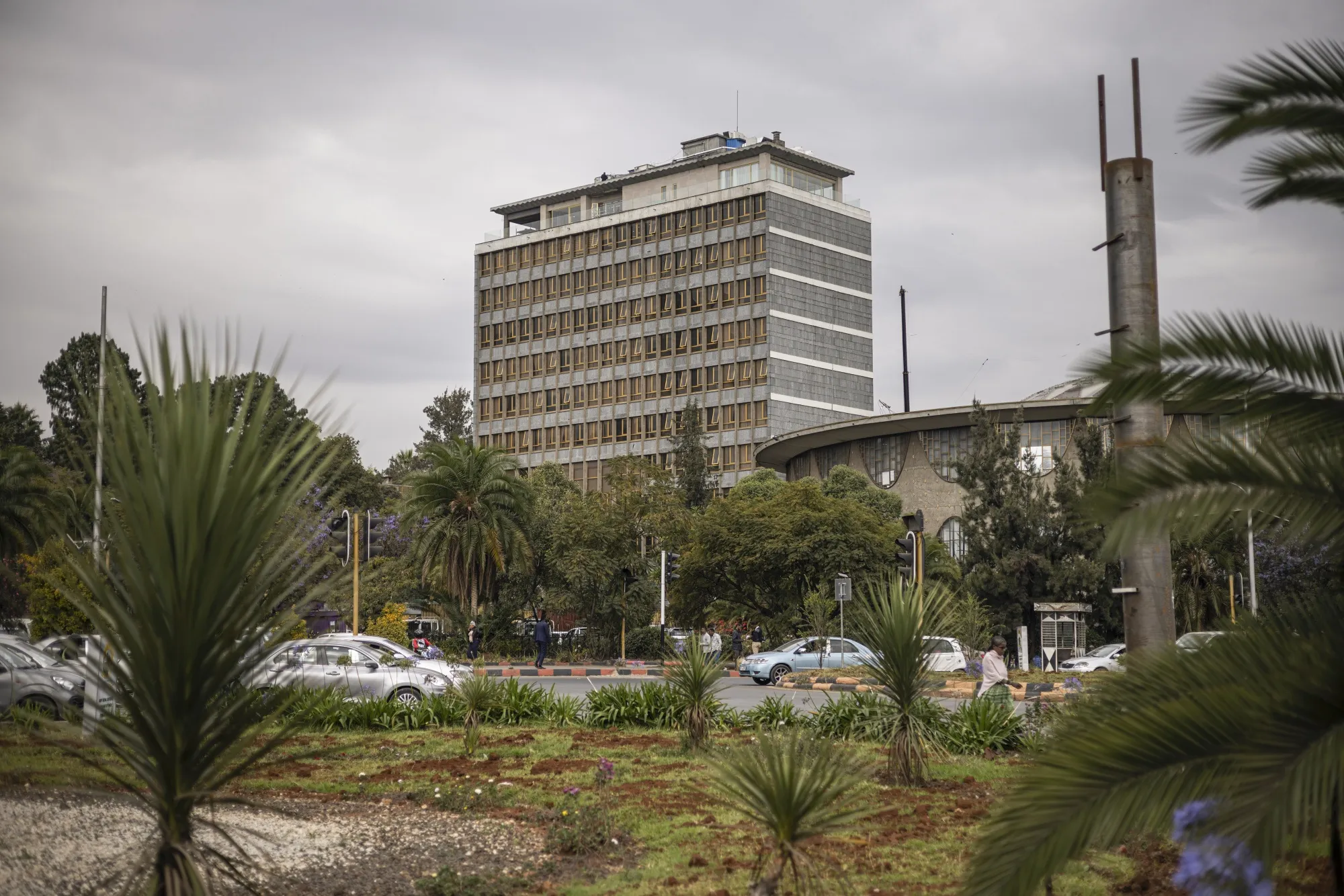
Ethiopia’s National Bank Ends Credit Caps and Moves to Interest-Rate-Based Monetary Policy (Photo internet reproduction)
One-stop reference
Company Intelligence
Every listed company in Latin America — financials, ownership and structure for 1,450+ companies across 26 exchanges, in one place.
Browse the directory →
RT
Ask Rio Times
Latin American markets, currencies and companies.
Open the full Ask Rio Times →

A decisive break with administrative credit control

The National Bank of Ethiopia (NBE) announced on July 13, 2026, that it had fully removed the economy-wide annual credit growth ceiling imposed on commercial banks, calling the cap a “temporary transition instrument” that had achieved its objective. The ceiling, first introduced in August 2023 to contain inflation and excess liquidity, had been set at 14% before being raised to 18%, and then to 24% for the 2025/26 fiscal year.

Governor Eyob Tekalign framed the move as a technical completion of the shift toward a modern, price-based framework rather than any loosening of the central bank’s tight monetary stance. The decision marks the end of direct administrative control over bank lending volumes, a tool that had long characterised Ethiopia’s state-directed economic model.

The 16% benchmark and the new policy architecture

Alongside scrapping the credit cap, the NBE’s Monetary Policy Committee raised the National Bank Rate (NBR) from 15% to 16%, the first adjustment since the benchmark was introduced in July 2024. Governor Tekalign described the hike as a “counter-tightening measure” designed to offset any inflationary impulse from lifting the volume control.

The interest-rate corridor remained plus or minus three percentage points around the National Bank Rate, which after the July 13, 2026 hike to 16% implied a standing lending facility rate of 19% and a standing deposit facility rate of 13%. Open market operations conducted every two weeks will continue to steer short-term interbank rates toward the policy target, supported by an electronic interbank money market platform now under development.

In place of the blunt credit cap, the NBE introduced a targeted reserve-requirement tool that allows it to impose bank-specific reserve ratios on institutions deemed to be lending excessively relative to their deposit base. This gives the central bank a scalpel rather than a sledgehammer, preserving macro discipline while letting well-capitalised banks compete more freely.

Foreign-exchange sweeteners for trade and investment

The July 13 package also delivered meaningful relief on the foreign-exchange front. Mandatory FX surrender requirements for banks were cut from 50% to 30%, allowing commercial lenders to retain a larger share of hard-currency export proceeds on their balance sheets.

Simultaneously, FX commission fees were reduced from 2.5% to 1.5%, lowering transaction costs for importers and exporters alike. These measures complement the market-based exchange-rate regime launched in mid-2024, which saw the birr float more freely as Addis Ababa sought to attract external funding and eliminate a chronic foreign-currency shortage that had frustrated investors for years.

The IMF anchor and the $10 billion reform bargain

Ethiopia’s monetary overhaul is inseparable from its engagement with the International Monetary Fund, which is supporting the country through a four-year Extended Credit Facility arrangement worth approximately $3.4 billion. That programme sits within a broader package of external support valued at more than $10 billion from the IMF, World Bank, and other creditors, all conditioned on adopting market-based monetary, fiscal, and foreign-exchange frameworks.

IMF documents had explicitly called for Ethiopia to phase out the private-credit cap by December 2026, making the July decision a slightly accelerated delivery on that commitment. The Fund has also pressed for revision of the central bank act to prioritise price stability, elimination of direct monetary financing of government budgets, and recapitalisation of the state-owned Commercial Bank of Ethiopia to shore up financial stability.

For readers tracking the intersection of debt, sovereignty, and great-power competition, this alignment carries clear geopolitical weight. Ethiopia is simultaneously restructuring sovereign obligations to bilateral creditors including China and Western official lenders, and the adoption of a transparent, rules-based monetary regime strengthens the hand of multilateral and G20-aligned institutions in shaping the country’s economic trajectory—a dynamic we track closely in our pillar series Africa: The New Scramble.

What the Ethiopia credit caps shift means for banks and borrowers

For Ethiopia’s commercial banks, the removal of the credit cap restores significant portfolio autonomy, constrained now by capital adequacy, liquidity requirements, and the new targeted reserve ratios rather than a one-size-fits-all growth ceiling. The higher 16% policy rate and the corridor extending to 19% raise funding costs across the system, which should naturally temper excessive credit expansion if transmission mechanisms function as intended.

Borrowers can expect more differentiated pricing of credit as banks compete on rates and loan terms rather than simply allocating a fixed volume of lending. State-owned enterprises and politically favoured projects may face stiffer scrutiny, since higher rates and the absence of administrative quotas shift lending decisions toward commercial viability and away from directed credit.

Inflation, real rates, and the single-digit target

Ethiopia’s inflation story provides the essential context for the central bank’s hawkish posture. Headline inflation exceeded 30% before declining to around 13% by 2025, and NBE officials now emphasise that interest rates are positive in real terms, with the nominal policy rate exceeding current inflation readings.

The central bank’s stated objective is to drive inflation down to single digits, a goal embedded in the IMF programme and one that will require sustained discipline. The shift from controlling the quantity of money to setting a reference price for it represents a profound institutional transformation, and the coming quarters will test whether the NBE’s new toolkit can deliver price stability without choking off the private-sector-led growth that the government’s Homegrown Economic Reform Agenda envisions.

A regional signal and the Latin America read-through

Ethiopia’s monetary pivot resonates far beyond the Horn of Africa. As the continent’s second-most-populous country and a longstanding diplomatic heavyweight, its successful transition to an interest-rate-based regime would offer a powerful template for other African nations wrestling with high inflation, dollar shortages, and legacy administrative controls.

For Latin American readers familiar with the region’s own hard-won battles against hyperinflation and its eventual embrace of independent central banking, the Ethiopian story carries echoes of the 1990s reforms that transformed Brazil, Mexico, and Peru. The same tension between domestic political pressures and external conditionality, between state-directed credit and market allocation, is playing out in Addis Ababa today, with the added layer of great-power competition between Chinese and Western financial architectures that defines the current global moment.

Connected Coverage

Africa: The New Scramble

Frequently Asked Questions

Why did Ethiopia remove its bank credit growth cap?

The National Bank of Ethiopia removed the credit cap because it had served its purpose as a temporary transition instrument during the shift to an interest-rate-based monetary framework. The central bank now relies on its policy rate, open market operations, and targeted reserve requirements to control inflation and manage liquidity, judging that these price-based tools are more precise and efficient than a blanket volume restriction on bank lending.

What is Ethiopia’s new benchmark interest rate?

Ethiopia’s benchmark interest rate, called the National Bank Rate, was raised from 15% to 16% on July 13, 2026. This was the first change since the rate was introduced in July 2024, and it forms the centrepiece of a monetary framework that also includes an interest-rate corridor of plus or minus three percentage points for overnight lending and deposit facilities.

How does Ethiopia’s monetary reform affect foreign investors?

Foreign investors benefit from reduced FX surrender requirements for banks, lower foreign-exchange commission fees, and a more transparent, market-based monetary regime that improves the availability of hard currency. The reforms are part of an IMF-supported programme that aims to stabilise inflation, eliminate chronic dollar shortages, and create a more predictable environment for foreign direct investment and portfolio flows.

LatAm Markets: Live Signals → — real-time movers, turnover leaders and FX across Latin America.

Read More from The Rio Times

The Rio Times · Power Map
See who really holds power in Latin America
Click to open the Power Map

Rotate for Best Experience

This report is optimized for landscape viewing. Rotate your phone for the full experience.