Eneva Halliburton Venezuela Memorandum: Brazil’s Gas Producer Looks North
Venezuela · Energy
Key Facts
- —What happened Halliburton said on 21 September 2026 it signed a memorandum of understanding with Brazil’s Eneva to pursue development opportunities in Venezuela.
- —Who Eneva is A Rio de Janeiro-based company that calls itself Brazil’s largest private onshore natural gas operator.
- —Why Venezuela The US Energy Information Administration puts Venezuela’s proved gas reserves at 195 trillion cubic feet, 73% of South America’s.
- —What Eneva wants Its chief executive said in June 2026 he sees openings in gas-fired power, as rationing hits most Venezuelan cities.
- —The catch The Eneva Halliburton Venezuela accord is not a contract; no project, investment figure, signing date or venue has been disclosed.
- —The rules US Treasury general licences allow negotiating contingent contracts, but performance of new investment needs separate authorisation.
A Brazilian company that turns its own gas into electricity has agreed to scout Venezuela with an American oilfield-services giant. Nothing has been built, bought or priced yet.
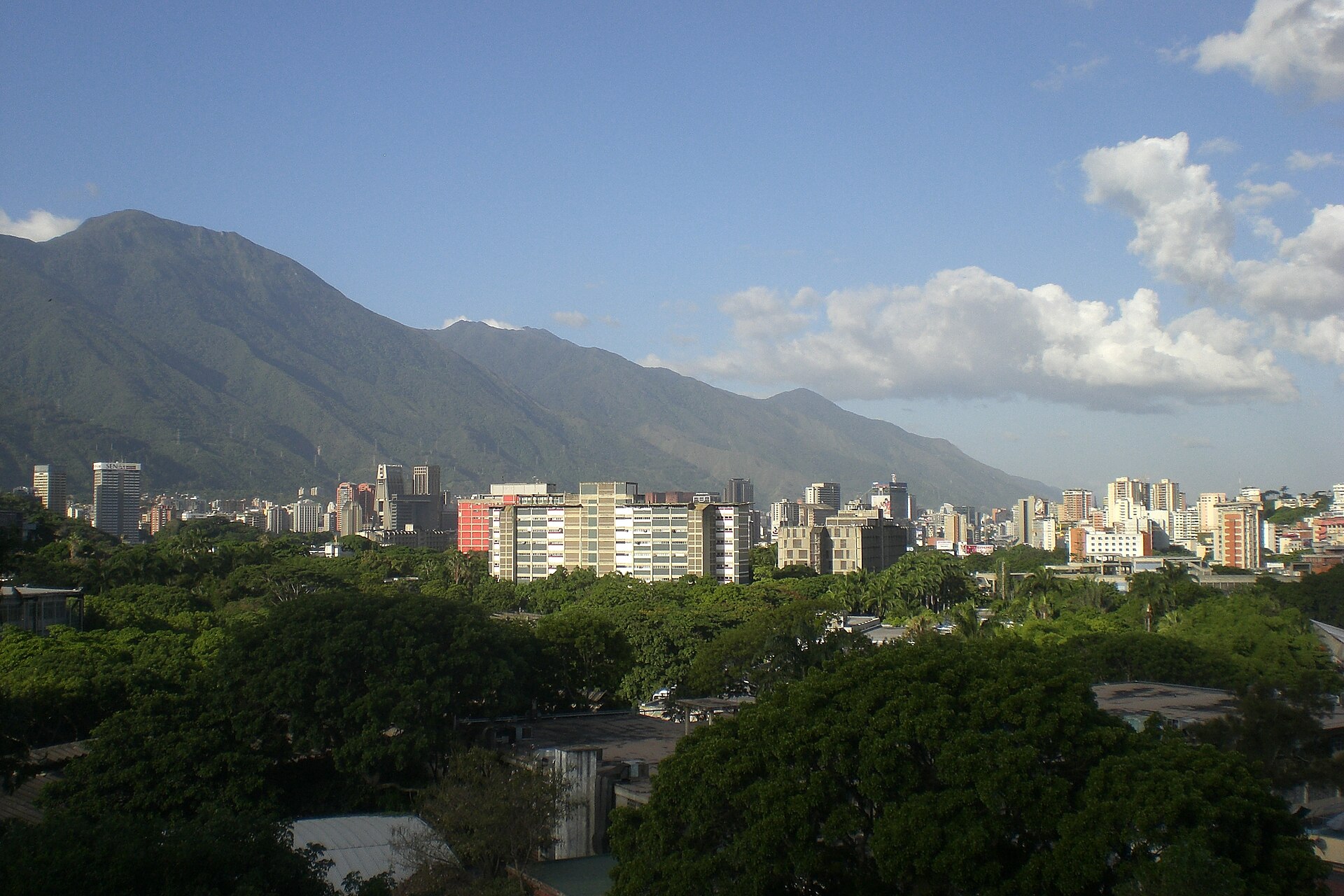
The Eneva Halliburton Venezuela memorandum puts a Brazilian gas-to-power specialist on the road to Caracas. Houston-based Halliburton said on Monday 21 September 2026 that it had signed a memorandum of understanding with Eneva.
The two companies “will collaborate to identify and pursue development opportunities in Venezuela,” Halliburton said in a statement. The accord builds on their existing business relationship in Brazil.
A memorandum of understanding is a statement of intent, not a binding contract. Halliburton gave no investment figure, no project list and no date or venue for the signing.
What was actually agreed
Halliburton, founded in 1919, calls itself one of the world’s leading providers of products and services to the energy industry. It announced two Venezuelan agreements at once, not one.
The second is with WESCA, a partner Halliburton did not describe in detail. Under that deal Halliburton “will support field evaluation and development planning in Venezuela,” the company said.
The Eneva text is broader and vaguer. It does not specify whether the partners are looking at gas fields, drilling services or power plants.
Francisco Tarazona, Halliburton’s senior vice president for Latin America, framed both deals as customer support. “Halliburton has a long history in Venezuela and supports customers as they pursue growth opportunities,” he said.
The company says it has nearly nine decades of experience in the country, with bases already in place. Brazilian outlets InfoMoney and Money Times carried the news that morning, drawing on Reuters.
Neither report quoted Eneva or cited a securities filing by the Brazilian company. The announcement came from Halliburton.
Who Eneva is
Eneva was founded in 2001 as MPX Energia, part of the business empire of the tycoon Eike Batista. Today it is based in Rio de Janeiro and listed on the B3, Brazil’s stock exchange.
It calls itself Brazil’s largest private onshore natural gas operator, with assets in Amazonas, Maranhão, Mato Grosso do Sul and Goiás. Halliburton called it the country’s largest private natural gas operator.
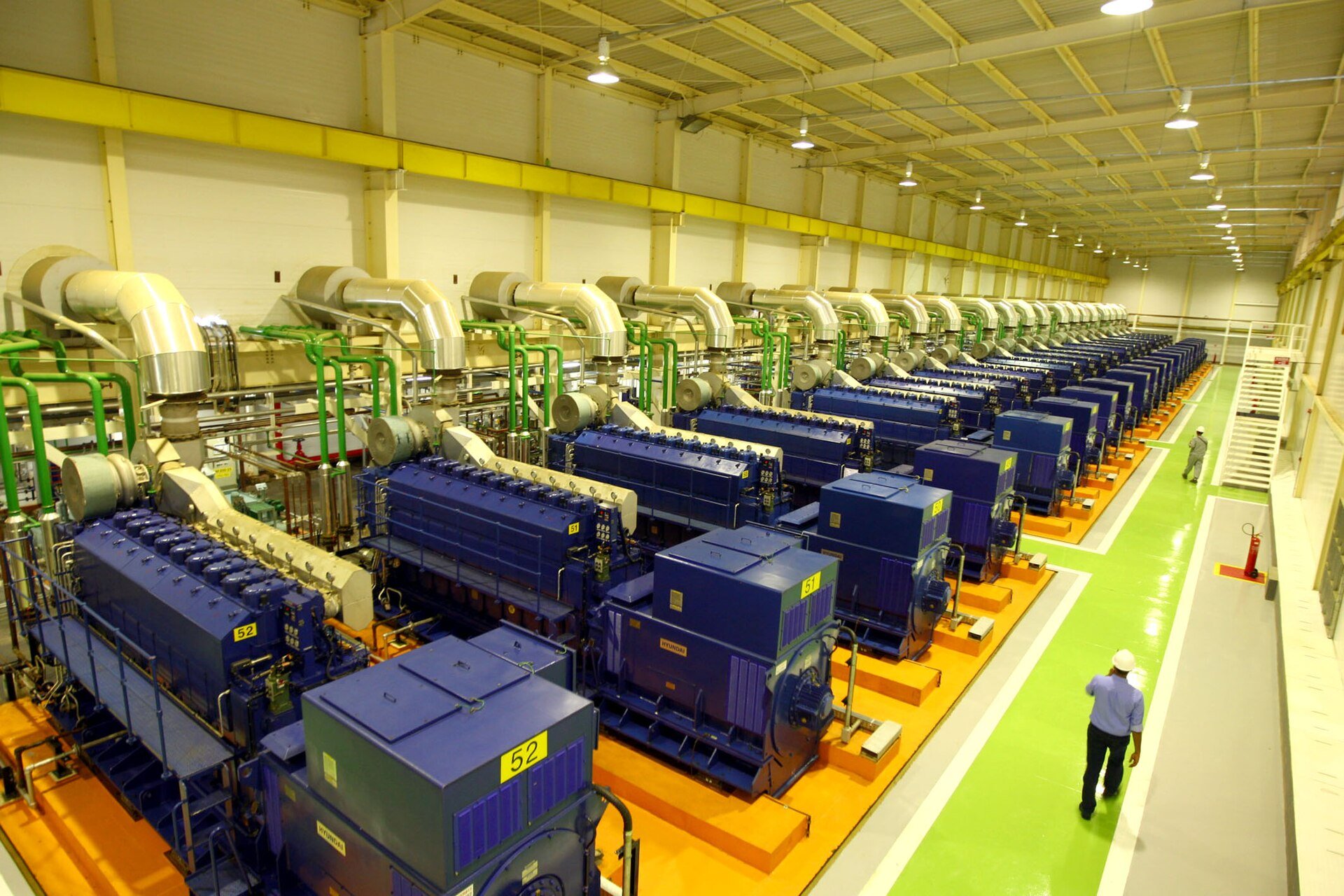
Its trademark is a model it calls Reservoir-to-Wire. Gas wells feed power plants built next to them, and the electricity goes straight into the grid.
The flagship is the Parnaíba Complex in Maranhão, in north-eastern Brazil, which Eneva calls one of the largest examples of the model. The same design is being applied at the Azulão 950 complex in Silves, Amazonas.
That skill set is the point. The model suits gas that sits far from pipelines and customers, because it is burned close to the wells.
Live Company IntelligenceEneva S.A — the full investor dossier
Valuation & profitability
Price & risk
$16.0352-wk high
$28.15
Revenue trend · 6y
Ownership
Dividend
Why a Brazilian gas company is looking at Venezuela
Venezuela is known for its heavy crude, but it also holds enormous gas reserves. The US Energy Information Administration puts proved reserves at 195 trillion cubic feet as of 2023.
That is 73% of all proved gas reserves in South America, according to the same agency. Around 80% of the gas Venezuela produces comes up alongside petroleum, and about 30% is pumped back into the fields.
Eneva’s chief executive, Lino Cançado, explained the interest in June 2026, according to Reuters. He said regulatory changes were reducing what he called the huge risk of doing business in Venezuela.
He said Eneva was studying upstream and downstream work as well as electricity generation, with no concrete project yet. He also pointed to energy rationing in most Venezuelan cities.
In his view, that power shortage limits how fast petroleum output can grow. Gas-fired generation near the fields is exactly what Eneva builds at home.
The political thaw behind the rush
The opening follows a sharp change of regime. US forces captured Nicolás Maduro in a raid on 3 January 2026 and took him to America to face drug-trafficking charges.
His vice president, Delcy Rodríguez, took over and was sworn in on 5 January 2026, according to Encyclopædia Britannica. The Associated Press and other outlets describe her as Venezuela’s acting president.
On 29 January 2026 the National Assembly reformed the hydrocarbons law, according to the law firm Hogan Lovells. Private companies may now run upstream operations directly.
Washington resumed operations at its Caracas embassy on 30 March 2026, after seven years. Foreign interest has climbed since the raid, Reuters reported, and the Eneva Halliburton Venezuela talks are part of that wave.
In August the two governments agreed to give the United States a stake in Venezuela’s petroleum reserves, the AP reported. Donald Trump is due to hold an informal meeting with Rodríguez at the United Nations in New York this week.
The sanctions rules that still apply
Venezuela remains under a US sanctions programme run by the Treasury’s Office of Foreign Assets Control, known as OFAC. Since January 2026 it has issued a string of general licences easing the rules.
General licence 49A, updated on 13 March 2026, allows negotiating contingent contracts for new investment in oil, gas, petrochemicals or electricity. Performance must be “expressly contingent upon separate authorization” from OFAC, the Federal Register text says.
General licence 48C, dated 27 August 2026, covers supplying goods and services for energy operations. Its March version, 48A, required contracts with the Venezuelan state to be governed by US law.
Version 48C instead requires disputes over contracts with the state or PDVSA to be settled in the US, UK, France or Singapore.
Deals involving Russia, Iran, North Korea, Cuba or Chinese-linked entities are excluded. The licences are written for US persons, a group that includes Halliburton but not a Brazilian company on its own.
Neither company has said which licence, if any, covers its plans. No separate OFAC authorisation for the Eneva Halliburton Venezuela partnership has been made public.
What comes next
Other groups are moving too, Reuters reported. It cited Continental Resources memorandums with state company PDVSA and a US$7 billion Chevron commitment.
Halliburton’s memorandum with Eneva is an early and non-binding step by comparison.
The test will be whether the partners name a field or a power project. Until then, Venezuela’s gas remains a large reserve with a small market.
More: Venezuela coverage, every day from The Rio Times.
Frequently Asked Questions
What did Halliburton and Eneva sign?
Halliburton said on 21 September 2026 that it had signed a memorandum of understanding with Eneva. The two will collaborate to identify and pursue development opportunities in Venezuela, building on their existing relationship in Brazil. No project, investment figure, signing date or venue was disclosed. A memorandum of understanding is a statement of intent rather than a binding contract.
Who is Eneva?
Eneva is a Rio de Janeiro-based energy company listed on the B3, Brazil’s stock exchange. It describes itself as Brazil’s largest private onshore natural gas operator. It was founded in 2001 as MPX Energia by the businessman Eike Batista. Its model links gas wells directly to nearby power plants, as at its Parnaíba Complex in Maranhão.
Is the partnership allowed under US sanctions?
The US Treasury has issued general licences since January 2026 easing Venezuela sanctions for US persons. One allows negotiating contingent contracts for new investment, provided performance awaits separate authorisation from the Treasury’s Office of Foreign Assets Control. Neither company has said which licence, if any, applies to its plans.
Who leads Venezuela now?
Delcy Rodríguez, who was Nicolás Maduro’s vice president, took over after US forces captured Maduro on 3 January 2026. The Associated Press and other outlets describe her as acting president. She is due to hold an informal meeting with Donald Trump at the United Nations General Assembly in New York this week.
Sources: Halliburton’s announcement of the Venezuela agreements, InfoMoney on the memorandum, Money Times on the memorandum, Reuters via Portal do Holanda on Eneva’s June remarks, Eneva on its Reservoir-to-Wire model, US Energy Information Administration country analysis of Venezuela, US Treasury OFAC Venezuela sanctions page, Federal Register text of general licences 48A and 49A, AP on the planned Trump–Rodríguez meeting, AP on the reopening of the US embassy in Caracas, Hogan Lovells on Venezuela’s hydrocarbons law reform
This article was produced by The Rio Times’ automated newsroom system. How we use AI · Report an error
Read More from The Rio Times