Fuel Distributors Investigation: Brazil Opens Price Cases Against Vibra and Ipiranga
Brazil · Energy
Key Facts
- —What happened Senacon, the Justice Ministry’s consumer secretariat, published 12 sanction proceedings over suspected unjustified fuel price rises on 21 September 2026.
- —Who is named Vibra Energia, Ipiranga, Ale and five smaller distributors, plus two Frango Assado service-station units, Posto Priscila and Farol Comercial.
- —The legal basis Article 39, item X, of the Consumer Defence Code, which bars raising prices “without just cause”.
- —What comes next Each company has 20 days from notification to file a defence and say what evidence it will produce.
- —The catch Nobody has been fined; the published dispatches do not say which fuel, which prices or which period are in question.
- —Why it matters Petrobras kept its prices to distributors flat or lower this month, though biofuel and import costs also shape distributor prices.
Brazil’s consumer watchdog has opened 12 sanction proceedings over suspected unjustified fuel price rises. The targets include two of the country’s three biggest distributors, eight wholesalers in all, and several filling stations.
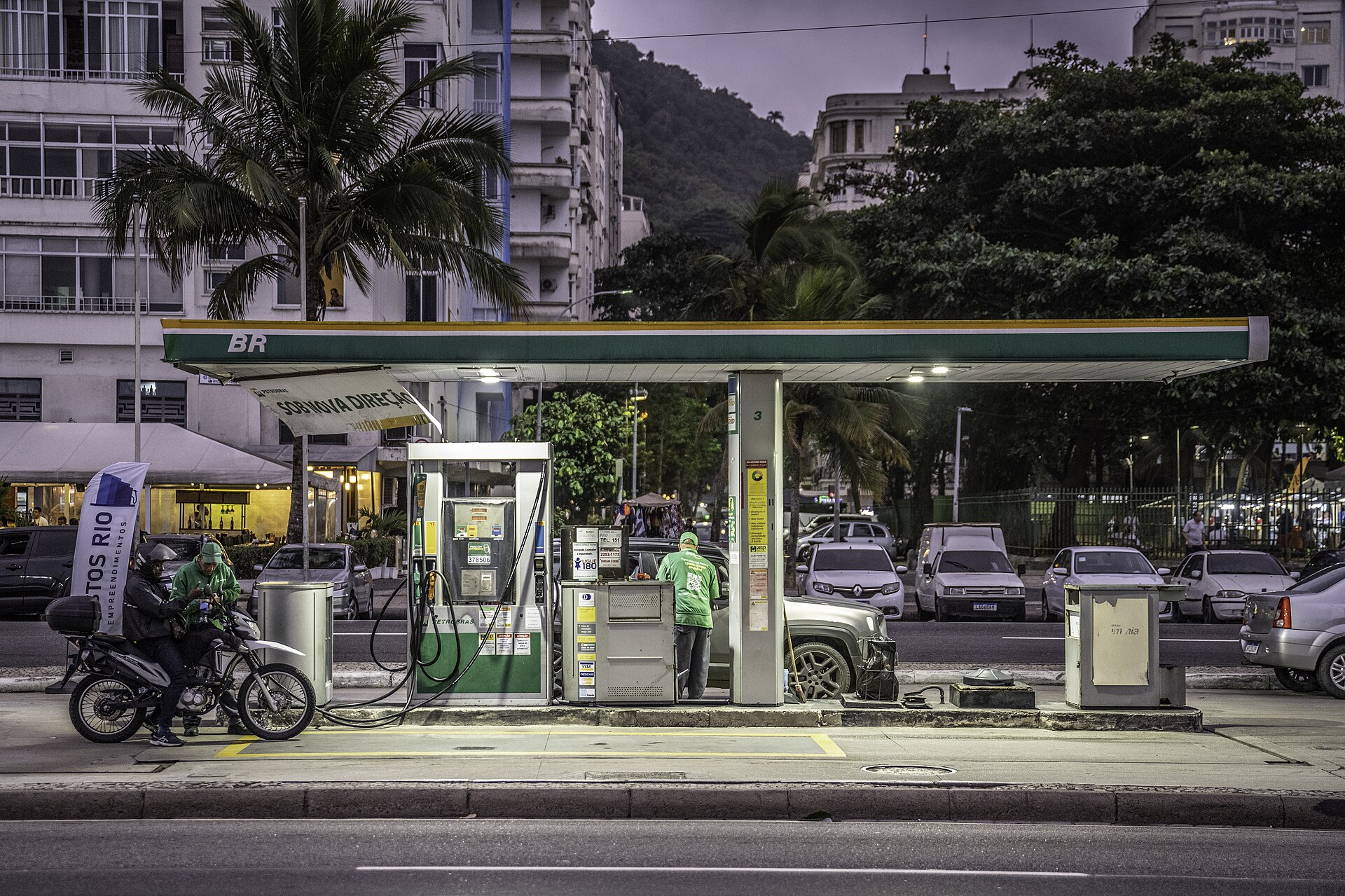
Brazil’s federal government has opened a fuel distributors investigation into suspected unjustified price rises. Twelve sanction proceedings were published in the official gazette on Monday 21 September 2026.
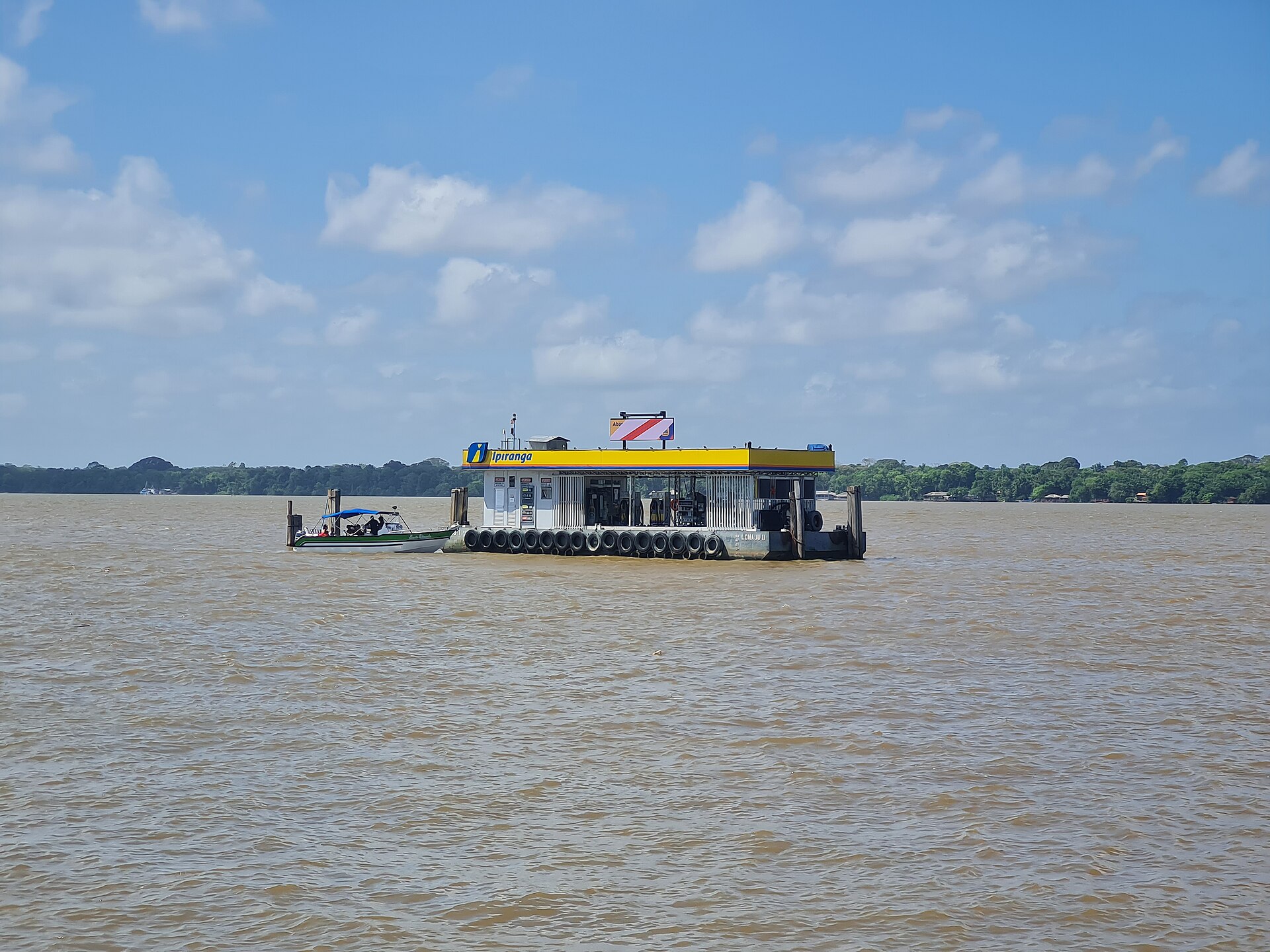
The targets include Vibra Energia and Ipiranga, two of the country’s three largest fuel wholesalers. Several filling stations sit on the list alongside the wholesalers.
Who opened the case
The proceedings come from Senacon, the National Consumer Secretariat of the Ministry of Justice and Public Security. Its consumer protection department, known as the DPDC, signed each order.
The dispatches carry the signature of Daniel Amaral Nunes Carnaúba, director of that department. They were published as Despachos 364 to 375 in the Diário Oficial da União, the federal gazette.
Neither the ANP, the national fuel regulator, nor CADE, the competition authority, issued the orders. The ANP told Senacon last week it had received 330 complaints about possible abusive increases, according to the news site Metrópoles.
The legal basis
Each order cites Article 39, item X, of the Consumer Defence Code, the 1990 law that governs Brazilian consumer rights. That clause bars suppliers from raising prices “sem justa causa”, meaning without just cause.
The department cited “indícios suficientes de elevação de preços sem justa causa”, sufficient signs of unjustified price rises. It based each decision on a separate technical note that has not been made public.
Who is named
Eight of the 11 companies are fuel distributors. They are Vibra Energia, Ipiranga Produtos de Petróleo, Ale Combustíveis, Larco, Petrobahia, Royal FIC, Ciapetro and Masut.
Larco and Petrobahia are based in Salvador, according to the Bahia newspaper A Tarde, which is awaiting their replies. Masut is based in the central state of Goiás, according to Jornal Opção.
Two orders target branches of Centro de Serviços Frango Assado Norte, a service-station operator. One trades as Posto Frango Assado Carvalho Pinto.
Farol Comercial and Posto Priscila complete the list. That makes 12 proceedings against 11 legal entities.
Raízen, which runs Shell-branded stations and completes Brazil’s big three distributors, does not appear in any of the dispatches.
What triggered it
The published dispatches do not say which fuel, which prices or which period are under scrutiny. Metrópoles reported that Senacon found signs of unjustified increases in seven states and similar complaints in 15 other units of the federation.
Vibra, Ipiranga and Ale together account for about 40.7% of gasoline sales and 42.9% of diesel sales. Metrópoles attributed those shares to 2024 data from CADE and the ANP.
Deadline and penalties
Each company has 20 days from receiving notification to present a defence and list the evidence it intends to produce. The deadline follows a 1997 decree that sets out how consumer sanctions are handled.
Other outlets, including CNN Brasil, reported a separate batch of 70 proceedings against filling stations in four states.
Opening a sanction proceeding is not a finding of guilt, and no company has been fined. The companies can be fined up to R$14 million (about US$2.7 million) under the consumer code, Metrópoles reported.
Jornal Opção said it had contacted Masut and was awaiting a reply. No company has yet presented its defence, and no authority has found wrongdoing.
How Brazil’s fuel chain works
Petrobras, the state-controlled energy company, refines most of Brazil’s fuel and sells pure gasoline and diesel to distributors. The distributors blend in ethanol or biodiesel, move the product and sell it to filling stations.
Stations set pump prices freely, adding their own margin. Federal and state fuel taxes are mostly collected further up the chain and are already in the price stations pay.
Petrobras’s own prices to distributors have not risen this month, once federal support is counted. Distributors’ costs also depend on blended ethanol and biodiesel and on imported fuel, which track world prices.
What Petrobras did in September
On 10 September 2026 Petrobras stopped applying a R$0.44 per litre (about US$0.09) gasoline discount, after the provisional measure behind it expired. Its average gasoline price to distributors became R$3.05 per litre (about US$0.59).
At the same time, the government cut federal PIS and Cofins taxes by R$0.63 per litre (about US$0.12). Petrobras said the net effect was a reduction of R$0.19 per litre (about US$0.04) for distributors.
Petrobras first announced a larger gasoline increase on 9 September, then issued a corrected notice. Early reports, including O Tempo’s, carried the original figures.
On diesel, Petrobras raised its price by R$1.00 per litre (about US$0.19) from Thursday 17 September. A federal subsidy of the same size offset it, leaving prices to distributors unchanged.
Petrobras says it has received R$9.9 billion (about US$1.9 billion) so far under the diesel, gasoline and cooking-gas subsidy programmes. All conversions here use the Central Bank’s reference rate of 5.1575 to the US dollar on 18 September 2026.
The international backdrop
O Tempo said the government’s new fuel measures came amid another surge in world oil prices. The newspaper linked that surge to the war in the Middle East.
SBT News said the diesel subsidy was created amid international instability in the fuel market. The companies’ defences are the next step in the fuel distributors investigation.
More: Brazil coverage, every day from The Rio Times.
Frequently Asked Questions
Which body opened the fuel price investigation?
Senacon, the National Consumer Secretariat of Brazil’s Ministry of Justice and Public Security, opened it through its consumer protection department. The orders were published in the federal gazette on 21 September 2026. Neither the fuel regulator ANP nor the competition authority CADE issued them, although Metrópoles reported that the ANP said it had received 330 complaints.
Which companies are under investigation?
The dispatches name Vibra Energia, Ipiranga, Ale Combustíveis, Larco, Petrobahia, Royal FIC, Ciapetro and Masut, all distributors. They also name two units of Centro de Serviços Frango Assado Norte, Farol Comercial and Posto Priscila. That is 12 proceedings against 11 legal entities.
Have the companies been fined?
No. The orders open sanction proceedings, and each company has 20 days from notification to present a defence. Fines under the consumer code can reach R$14 million (about US$2.7 million), according to Metrópoles.
Did Petrobras raise prices before the fuel distributors investigation?
Not in net terms this month. Petrobras said its gasoline price to distributors fell by R$0.19 per litre (about US$0.04) including taxes from 10 September. A matching federal subsidy offset its R$1.00 per litre (about US$0.19) diesel increase.
Sources: Diário Oficial da União, Despacho 364/2026 (Vibra Energia), Despacho 369/2026 (Ipiranga), Despacho 365/2026 (Ale Combustíveis), Despacho 375/2026 (Posto Frango Assado Carvalho Pinto), Metrópoles on the seven states and market shares, Poder360 on the list of companies, A Tarde on the Bahia companies, Jornal Opção on Masut, Petrobras corrected notice on gasoline prices, Petrobras notice on diesel prices, Petrobras on subsidy payments, O Tempo on the international price backdrop, SBT News on the diesel subsidies
This article was produced by The Rio Times’ automated newsroom system. How we use AI · Report an error
Read More from The Rio Times