El Salvador’s Migrant Protections Set to Expire September 9
EL SALVADOR · MIGRATION POLICY
Key Facts
- —What happened The United States is set to end Temporary Protected Status (TPS) for Salvadorans on September 9.
- —How big About 170,000 Salvadorans hold TPS today, mostly working legally in construction and food-service jobs.
- —What it means Together these workers earn about $5.4 billion a year after taxes, an economic study found.
- —The catch These same workers also paid the United States about $1.5 billion in taxes last year.
- —Who it affects El Salvador’s own economy relies heavily on money that migrants abroad send home each month.
- —What comes next Some US lawmakers, including Representative Jim McGovern, want Washington to grant Salvadorans much more time.
El Salvador’s legal status for 170,000 migrants expires September 9, even as Haiti’s own deportation crisis deepens.
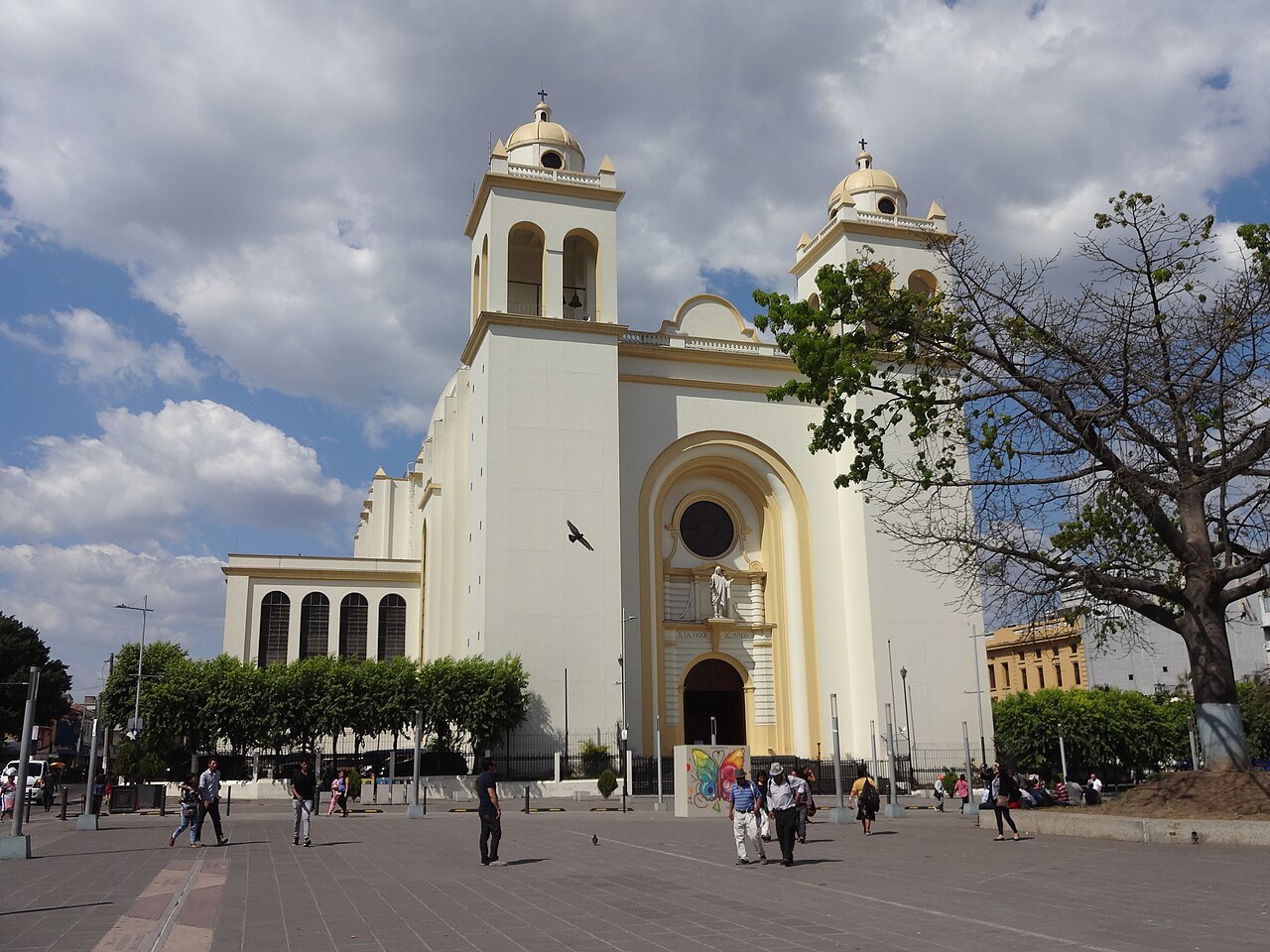
Temporary Protected Status (TPS) lets migrants from crisis-hit countries live and work legally in the United States. That status ends for El Salvador on September 9, 2026.
About 170,000 Salvadorans currently hold TPS. Most work in construction or food service, Infobae reported.
A Protection 25 Years in the Making Ends
Temporary Protected Status was created for people from countries hit by war, disaster, or crisis. El Salvador received that status after a series of earthquakes struck in 2001.
Washington has renewed that status many times over the past 25 years. The most recent extension runs through September 9, 2026.
That extension was published in the Federal Register in January 2025, under the outgoing Biden administration. No new extension has followed since, Infobae reported.
TPS normally shields holders from deportation and lets them renew work permits every so often. Both protections would lapse together once the deadline passes, immigration lawyers say.
The Supreme Court allowed similar terminations for Haiti and Syria earlier this year. Advocates say El Salvador could be next in that pattern.
A $5.4 Billion Workforce in Limbo
Together, Salvadoran TPS holders earn about $5.4 billion a year after taxes. They also pay roughly $1.5 billion a year in US taxes, one study found.
About 152,000 of them already hold jobs nationwide, the same study found. Most work in construction or food service, Infobae reported.
A more detailed tally found 36,000 in construction and 32,000 in building upkeep. Another 23,000 work in transportation, with 18,000 more in manufacturing.
More than 150,000 US-citizen children depend on a Salvadoran TPS parent, Fwd.us found. Losing that income could ripple through many American households, the group said.
California, Texas, Maryland, and Virginia have the most Salvadoran construction workers with TPS. Many others work in restaurants across California, Texas, and New York, one group found.
Nearly a third of all TPS households nationwide hold home mortgages, one study found. Losing legal status could put mortgage and rent payments at risk too.
Employers must recheck each worker’s legal status through a formal review process. Missing the deadline could leave some employees unable to prove they can work legally.
Washington Lawmakers Push for a Delay
El Salvador’s own economy depends heavily on money that migrants send home, one economist warned. Economists call this money remittances.
Remittances make up about a quarter of El Salvador’s entire economy, one analysis found. El Salvador uses the US dollar as its official currency.
Remittances feed directly into everyday household spending there. Mass deportations could cut off much of that money at once.
Some lawmakers in Washington are pushing to extend the deadline instead. Representative Jim McGovern led a letter signed by more than 80 lawmakers in July.
It urged the government to grant Salvadorans more time, the Daily Hampshire Gazette reported. Representative Eugene Vindman introduced a bill this month proposing an 18-month extension.
He said forcing families back into danger would be “cruel and shortsighted.”
More than 270 faith leaders sent a separate letter urging an extension in August. Their letter cited unsafe conditions and the risk of family separation.
George Escobar of the advocacy group We Are CASA said many holders work as health aides or business owners.
Haiti’s Deportations Draw Warnings From Rights Groups
Rights advocates warn that deportations are deepening a separate crisis in Haiti. Nearly 200,000 people were returned to Haiti in the first eight months of 2026, United Nations officials said.
That is at least 20,000 more than the same period last year, UN officials said. Carlos Ruiz leads the United Nations’ mission in Haiti.
He said the violence was “a stark reminder of the urgent need” for stronger security support. Gang violence has killed more than 21,000 people in Haiti since 2022, officials say.
Most of these weapons come from the southeastern United States, reports say. Many cross into Haiti through the border with the Dominican Republic.
A gang attack near Port-au-Prince last month killed 47 people, including five children. The Haitian Bridge Alliance said the violence shows Haiti is not safe for returnees.
A Kenya-led security mission left Haiti earlier this year. A new anti-gang force took its place soon after.
Gangs still control large parts of the capital, aid groups say.
More: El Salvador news in English, every day from The Rio Times.
Frequently Asked Questions
What is Temporary Protected Status, and when does it end for El Salvador?
Temporary Protected Status lets migrants from crisis-hit countries live and work legally in the United States. That status ends for El Salvador on September 9, 2026.
How many Salvadorans have TPS, and what do they contribute economically?
About 170,000 Salvadorans hold TPS today, most working in construction or food service. Together, they earn about $5.4 billion a year after taxes and pay $1.5 billion in taxes.
Is anyone trying to extend the September 9 deadline?
Some US lawmakers are pushing to extend the deadline for Salvadorans. Representative Jim McGovern and more than 80 colleagues have urged the government to grant more time.
How are the Haiti deportations connected to this story?
Rights groups say a wave of deportations is deepening Haiti’s separate humanitarian crisis. Nearly 200,000 people were returned to Haiti in the first eight months of 2026, United Nations officials said.
Sources: Infobae, Fwd.us, the National TPS Alliance, the US Federal Register, the Daily Hampshire Gazette, Representative Eugene Vindman’s office, We Are CASA, the Washington Office on Latin America (WOLA), the American Immigration Council, the United Nations, the Haitian Bridge Alliance, The Spokesman-Review, and The Rio Times Online.
This article was drafted with automated assistance and reviewed before publication. How we use AI · Report an error
Read More from The Rio Times