El Salvador Gets US$138 Million From the IMF as Growth Beats Expectations
EL SALVADOR · ECONOMY
Key Facts
- —The country El Salvador, the smallest country in Central America by area, has used the US dollar since 2001. It cannot print money, so outside loans weigh heavily on its finances.
- —The background In February 2025 the IMF approved a 40-month loan of about US$1.4 billion. It is paid in instalments after reviews of budget, pension and bitcoin commitments.
- —Why now Two reviews, due in September 2025 and March 2026, slipped. IMF staff and the government reached a new agreement on 3 September 2026.
- —What happened On Thursday 1 October 2026 the IMF board completed both reviews and released about US$138 million, saying growth had beaten expectations.
- —The numbers IMF staff project 4.5% growth for 2026. Net foreign direct investment, by contrast, fell 92% to US$9.77 million in April–June.
- —What it means for you The payment is a loan that must be repaid. Nothing changes for prices, the dollar or how residents pay.
- —Still open A pension reform planned for 2027, the state’s full exit from bitcoin exposure, and whether foreign investment follows the growth.
The International Monetary Fund (IMF) board approved two overdue reviews of El Salvador’s loan on 1 October, releasing about US$138 million. The money is part of a US$1.4 billion arrangement approved in February 2025.
The board said growth had exceeded expectations. It also tied further support to pension and civil-service reform, better tax collection and ending the state’s bitcoin exposure.
What the board decided
The IMF’s Executive Board, which represents its member countries, authorised an immediate payment of 101.96 million Special Drawing Rights. That is the Fund’s own accounting unit, and the sum equals about US$138 million.
The two reviews had been due in September 2025 and March 2026. Analysts and rating agencies linked the delay to missed commitments on pension reform and bitcoin, the newspaper Diario El Mundo reported.
The government had also asked the board to waive targets it had missed, El Diario de Hoy reported before the meeting. Waivers do not cancel the commitments; they let the review go ahead.
Dan Katz, the IMF’s First Deputy Managing Director, said the programme had brought tangible benefits, El Mundo reported. Keeping up reform, he added, is key to stability and the programme’s credibility.
Strong growth, weak investment
The IMF’s growth projection dates from 3 September. Staff then projected real growth of 4.5% for 2026, driven by investment, private consumption, remittances, tourism and better security.
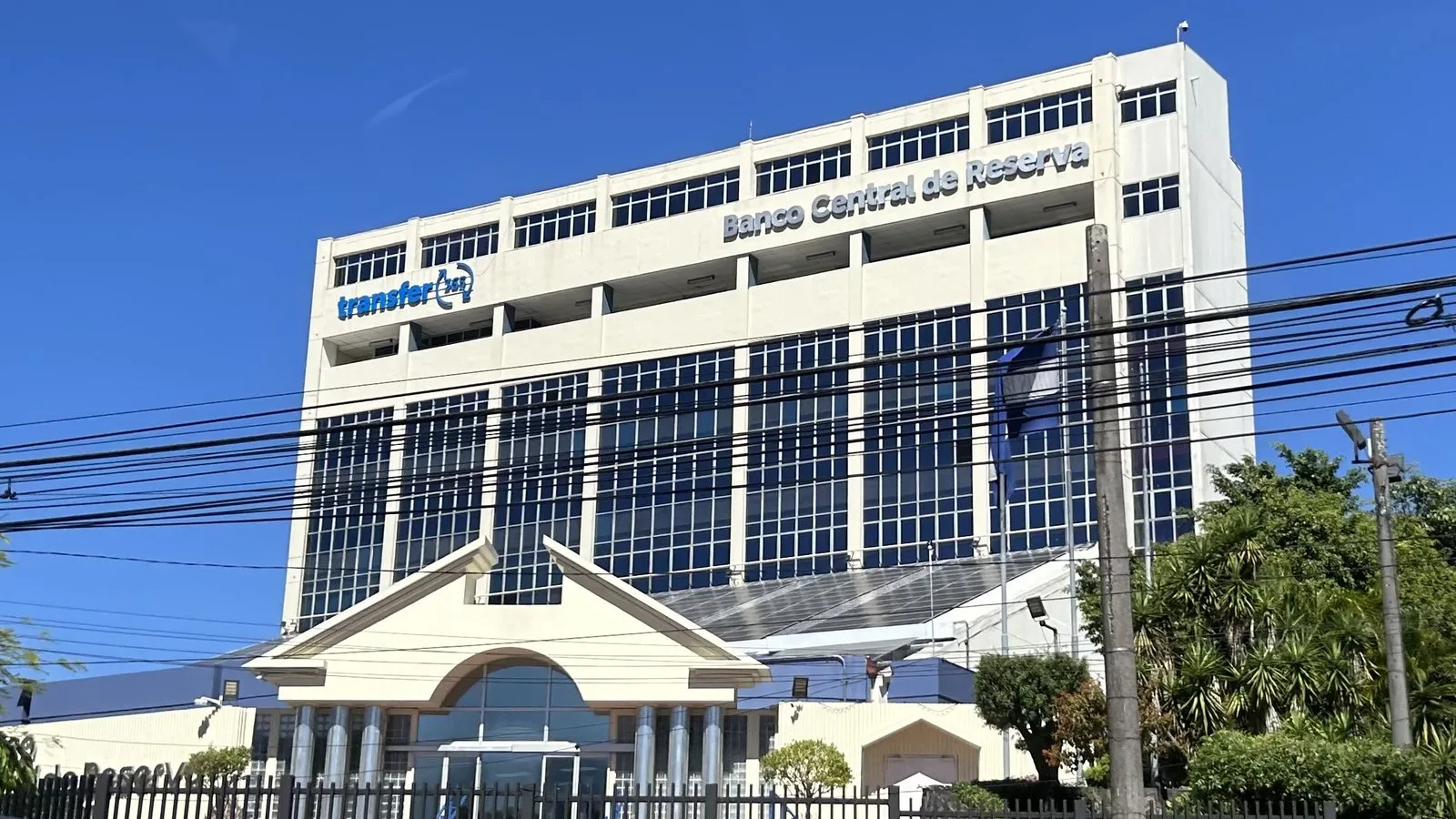
Recent data broadly support that view. The Central Reserve Bank (BCR), the central bank, says economic activity grew 4.5% year on year in July, led by construction.
Foreign capital tells a different story. Net foreign direct investment fell to US$9.77 million in the second quarter, down 92% from US$120.68 million a year earlier, according to BCR data released on 30 September.
Excluding quarters with net outflows, that was the lowest since the third quarter of 2019, El Mundo reported. The first quarter of 2026, however, brought in US$216.26 million, so one quarter does not set a trend.
The US Embassy in San Salvador said the country’s “impressive economic growth and ambitious reforms continue to inspire market confidence”. They “will help attract more foreign direct investment”, it added, as quoted in Spanish by El Mundo.
Live Market IntelligenceCrypto — Live Market Board
Rio Times · Live Market Intelligence
Crypto — Live Market Board
-0.26%
| Instrument | Last | Change | YoY | Prev. | High | Low | Volume |
|---|---|---|---|---|---|---|---|
| BTC | 63,384 | -0.26% | -47.24% | 63,552 | 64,346 | 63,305 | 22,774,743,040 |
| ETH | 1,886 | +0.26% | -58.90% | 1,881 | 1,920 | 1,879 | 7,916,475,392 |
| SOL | 75.89 | -0.40% | -60.44% | 76.20 | 76.99 | 75.39 | 1,473,821,056 |
| XRP | 1.01 | -1.15% | -69.07% | 1.02 | 1.02 | 1.01 | 1,144,044,416 |
| BNB | 609.60 | -1.12% | -26.81% | 616.50 | 619.30 | 609.23 | 1,266,706,432 |
| ADA | 0.18 | -1.98% | -78.22% | 0.19 | 0.19 | 0.18 | 238,085,632 |
| DOGE | 0.07 | -1.56% | -70.00% | 0.07 | 0.07 | 0.07 | 553,256,192 |
| AVAX | 6.38 | +1.04% | -74.11% | 6.32 | 6.42 | 6.21 | 248,470,560 |
| LINK | 8.77 | -0.06% | -62.73% | 8.77 | 8.87 | 8.68 | 317,054,880 |
| DOT | 0.78 | -0.75% | -81.11% | 0.79 | 0.80 | 0.78 | 43,490,492 |
| LTC | 45.08 | -0.85% | -65.45% | 45.47 | 45.59 | 44.98 | 143,727,712 |
| BCH | 213.85 | +0.10% | -65.44% | 213.64 | 215.69 | 212.54 | 137,956,688 |
| TRX | 0.34 | +0.28% | -4.73% | 0.33 | 0.34 | 0.33 | 436,576,064 |
| XLM | 0.16 | -1.33% | -64.46% | 0.16 | 0.16 | 0.16 | 89,559,864 |
| HBAR | 0.07 | -0.53% | -74.67% | 0.07 | 0.07 | 0.07 | 22,546,186 |
| NEAR | 1.65 | +2.42% | -40.55% | 1.62 | 1.68 | 1.61 | 187,591,264 |
| ATOM | 1.40 | -2.36% | -70.15% | 1.44 | 1.44 | 1.40 | 18,626,964 |
| AAVE | 89.06 | +0.93% | -72.33% | 88.24 | 90.20 | 88.19 | 129,099,704 |
The conditions attached
IMF staff expect the primary surplus, before interest payments, to rise from 2.9% of GDP in 2026 to 3.7% in 2027. The aim is to cut public debt to 80% of GDP by 2030.
On pensions, the September agreement foresees a reform of the system’s parameters next year, in line with IMF advice. Its details have not been published.
On bitcoin, the IMF said the state’s involvement has been gradually reduced. It called handing majority control of Chivo, the government’s bitcoin wallet, to a private operator a positive step.
Remaining public exposure, the Fund said, should be removed entirely. It also asked for clearer disclosure of public crypto holdings, officials’ asset declarations and stronger anti-money-laundering rules.
Most of these points were already in the September staff-level agreement between IMF staff and the government.
What comes next
The programme runs for 40 months from February 2025, with further reviews before each new payment. The pension reform and the public-service reform are the next large tests.
The approval is not new money beyond the existing loan, and it changes nothing about how bitcoin is used day to day. It also does not guarantee that foreign investors will return; that will show only in the next quarterly figures.
Frequently Asked Questions
What is El Salvador’s IMF programme?
It is a 40-month Extended Fund Facility worth about US$1.4 billion, approved in February 2025. The money is paid in instalments after the IMF checks that agreed reforms are on track.
Why were the reviews delayed?
The second and third reviews were due in September 2025 and March 2026. Analysts and rating agencies linked the delay to missed commitments on pension reform and bitcoin.
Why is foreign investment falling if growth is strong?
The central bank figures, as reported by El Mundo, give no reason for the second-quarter drop. Net investment flows swing widely from quarter to quarter, and the first quarter of 2026 brought in US$216.26 million.
Sources: IMF, press release 26/316, 1 October 2026; Diario El Mundo, 1 October 2026; Diario El Mundo, US Embassy statement, 1 October 2026; Diario El Mundo, foreign investment, 1 October 2026; Diario El Mundo, economic activity, 1 October 2026; Diario El Mundo, staff-level agreement, 3 September 2026; El Diario de Hoy, 22 September 2026.
This article was produced by The Rio Times’ automated newsroom system. How we use AI · Report an error
Read More from The Rio Times