IBOV 171,031.73 ▲ 1.85% IPSA 11,338.38 ▲ 0.89% IPC MEX 65,729.18 ▲ 2.14% MERVAL 2,913,184 ▲ 1.30% COLCAP 2,459.23 ▲ 0.61% BVL PERÚ 58,698.13 ▲ 2.60% USD/BRL5.14▼ 0.05% USD/MXN16.92▲ 0.08% USD/CLP914.28— 0.00% USD/COP3,044▲ 0.21% USD/PEN3.36▲ 0.05% USD/ARS1,499▼ 0.03% USD/UYU40.20▲ 1.52% USD/PYG5,996▲ 1.39% USD/BOB11.43▲ 0.51% USD/DOP58.51▼ 0.34% USD/CRC450.05▲ 1.95% USD/GTQ7.62▲ 2.13% USD/HNL26.81▲ 1.55% USD/NIO36.62— 0.00% USD/VES782.70▼ 0.13% USD/PAB1.00— 0.00% USD/BZD2.00— 0.00% USD/JMD 157.28 — 0.00% USD/TTD6.71▲ 0.82% EUR/BRL6.00▼ 1.09% BRENT 88.88 ▼ 0.03% WTI 83.11 ▼ 0.11% IRON ORE 161.91 — — COPPER 6.61 ▲ 0.03% GOLD 4,461 ▲ 1.78% SILVER 65.59 ▲ 1.26% SOY 1,184 ▲ 3.20% CORN 480.50 ▲ 10.02% WHEAT 655.00 ▲ 3.93% COFFEE 317.25 ▼ 5.51% SUGAR 16.43 ▼ 1.79% ORANGE JUICE 138.55 ▼ 0.47% COTTON 85.03 ▲ 2.33% COCOA 5,719 ▲ 3.18% BEEF 223.60 ▼ 3.93% CATTLE 339.10 ▼ 3.16% LITHIUM 75.20 ▲ 1.47% PETR4 41.64 ▼ 0.05% VALE3 72.97 ▲ 0.83% ITUB4 38.60 ▼ 1.03% BBDC4 16.85 ▲ 0.36% ABEV3 14.89 ▼ 0.80% BBAS3 19.37 ▲ 0.47% B3SA3 14.26 ▼ 0.21% WEGE3 47.59 ▲ 0.49% PRIO3 59.14 ▼ 0.19% SUZB3 41.33 ▲ 2.35% RENT3 34.68 ▼ 0.09% AZZA3 15.89 ▼ 2.63% CSAN3 3.22 ▼ 1.83% RAIZ4 0.25 — 0.00% PCAR3 2.75 ▼ 0.36% GMAT3 3.65 ▼ 1.08% PSSA3 48.13 ▼ 0.54% CVCB3 1.33 ▼ 2.92% POSI3 3.36 ▲ 2.44% SLCE3 13.34 ▲ 0.30% NATU3 8.14 ▼ 0.73% IBOV 171,031.73 ▲ 1.85% IPSA 11,338.38 ▲ 0.89% IPC MEX 65,729.18 ▲ 2.14% MERVAL 2,913,184 ▲ 1.30% COLCAP 2,459.23 ▲ 0.61% BVL PERÚ 58,698.13 ▲ 2.60% USD/BRL 5.16 ▲ 0.01% USD/MXN 17.06 ▼ 0.24% USD/CLP 913.98 ▲ 0.04% USD/COP 3,140 ▲ 0.03% USD/PEN 3.36 ▼ 0.66% USD/ARS 1,493 ▲ 0.10% USD/UYU 40.27 ▲ 1.24% USD/PYG 5,939 ▲ 1.68% USD/BOB 11.64 ▼ 0.76% USD/DOP 58.34 ▲ 1.25% USD/CRC 445.92 ▲ 0.89% USD/GTQ 7.62 ▲ 2.21% USD/HNL 26.79 ▲ 1.57% USD/NIO 36.62 ▲ 0.69% USD/VES 762.44 ▼ 0.13% USD/PAB 1.00 — 0.00% USD/BZD 2.00 — 0.00% USD/JMD 157.28 — 0.00% USD/TTD 6.70 ▲ 0.61% EUR/BRL 5.95 ▲ 1.01% BRENT 88.88 ▼ 0.03% WTI 83.11 ▼ 0.11% IRON ORE 161.91 — — COPPER 6.61 ▲ 0.03% GOLD 4,461 ▲ 1.78% SILVER 65.59 ▲ 1.26% SOY 1,184 ▲ 3.20% CORN 480.50 ▲ 10.02% WHEAT 655.00 ▲ 3.93% COFFEE 317.25 ▼ 5.51% SUGAR 16.43 ▼ 1.79% ORANGE JUICE 138.55 ▼ 0.47% COTTON 85.03 ▲ 2.33% COCOA 5,719 ▲ 3.18% BEEF 223.60 ▼ 3.93% CATTLE 339.10 ▼ 3.16% LITHIUM 75.20 ▲ 1.47% PETR4 41.64 ▼ 0.05% VALE3 72.97 ▲ 0.83% ITUB4 38.60 ▼ 1.03% BBDC4 16.85 ▲ 0.36% ABEV3 14.89 ▼ 0.80% BBAS3 19.37 ▲ 0.47% B3SA3 14.26 ▼ 0.21% WEGE3 47.59 ▲ 0.49% PRIO3 59.14 ▼ 0.19% SUZB3 41.33 ▲ 2.35% RENT3 34.68 ▼ 0.09% AZZA3 15.89 ▼ 2.63% CSAN3 3.22 ▼ 1.83% RAIZ4 0.25 — 0.00% PCAR3 2.75 ▼ 0.36% GMAT3 3.65 ▼ 1.08% PSSA3 48.13 ▼ 0.54% CVCB3 1.33 ▼ 2.92% POSI3 3.36 ▲ 2.44% SLCE3 13.34 ▲ 0.30% NATU3 8.14 ▼ 0.73%
since 2009
Monday, August 24, 2026

Ecuador’s New Oil Transit Fee Adds Millions In Costs For Colombian Shipments

By · January 27, 2026 · 2 min read

Daily Brief

The morning intel from across Latin America. Free.

By subscribing you agree to our privacy policy. We never share your email.

Key Points

  1. Ecuador lifted the SOTE transit fee for Colombian crude from $3 to $30 a barrel on January 23, 2026.
  2. The change hits shipments averaging about 13,250 barrels a day, under a three-year deal running to May 2027, with capacity up to 22,000.
  3. The fee jump is now part of a broader clash that includes dueling 30% tariffs and Colombia’s suspension of electricity exports.

The fight started with a familiar grievance: security and sovereignty at a tense border. Ecuador’s government says it faces growing criminal pressure and wants tougher cooperation from Colombia.

President Daniel Noboa has argued that trade privileges should not survive what he calls a lack of security collaboration. Colombia rejects that framing and says Ecuador is turning security rhetoric into economic punishment.

That argument first surfaced as a customs weapon. Noboa announced a 30% tariff on imports from Colombia, set to begin February 1, 2026.
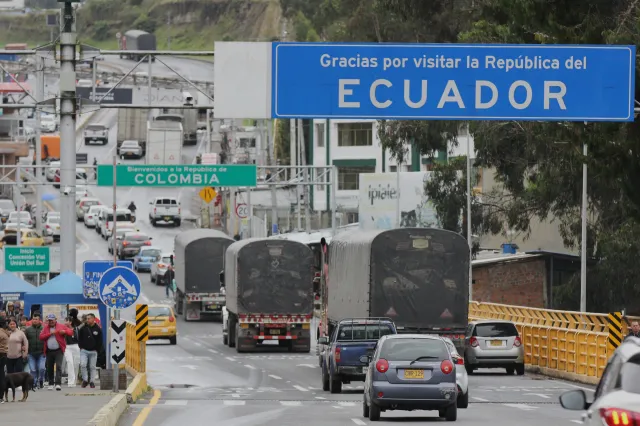
Ecuador’s New Oil Transit Fee Adds Millions In Costs For Colombian Shipments. (Photo Internet reproduction)
One-stop reference
Company Intelligence
Every listed company in Latin America — financials, ownership and structure for 1,450+ companies across 26 exchanges, in one place.
Browse the directory →
RT
Ask Rio Times
17 years of Latin America reporting, on demand.
Open the full Ask Rio Times →

Colombia answered with its own 30% tariff on selected Ecuadorian goods and then cut off electricity sales to Ecuador, a move officials portrayed as protecting domestic supply.

Pipeline Tariff Becomes Economic Leverage

Then Ecuador opened a second front, one that runs 24 hours a day. On January 23, Ecuador confirmed it had raised the tariff to transport Colombian crude through Ecuador’s pipeline system, taking the fee from $3 to $30 per barrel.

The main route runs through the Sistema de Oleoducto Transecuatoriano, linked to the cross-border corridor around San Miguel and Lago Agrio.

The corridor has been described as moving crude in the 25–28 API range and connecting production near Colombia’s Orito area toward export routes on the Pacific side.

The policy lands on a contract signed May 2, 2024 between Petroecuador’s transport arm and Ecopetrol. The deal runs three years, through May 2027, and anticipated an average of roughly 13,250 barrels per day, with assigned capacity up to 22,000.

The numbers explain why companies are rattled. The extra $27 per barrel adds about $358,000 per day at the average flow. Over a 30-day month, that is about $10.7 million. At maximum contracted capacity, the added daily charge approaches $594,000.

Colombia’s energy minister, Edwin Palma, has called the hike unilateral and harmful, especially for smaller producers. Ecuador has pointed to regulator-backed authority and “technical and legal” grounds.

The story behind the story is leverage. Tariffs can be negotiated. A pipeline fee is a running clock.

Related coverage: Brazil’s Morning Call | Colombia’s Oil And Gas Numbers Are Falling, And The Risks Ar This is part of The Rio Times’ daily coverage of Colombia affairs and Latin American financial news.

Deep Dive

Ecuador Colombia Crisis 2026: Complete Guide

The full timeline: from the 30% security tariff in January to 100% trade war, border bombings, CAN collapse, and what the May 31 election means for both countries.

Read the Complete Guide →

This article was produced by The Rio Times’ automated newsroom system. How we use AI · Report an error

Read More from The Rio Times

The Rio Times · Power Map
See who really holds power in Latin America
Click to open the Power Map

Rotate for Best Experience

This report is optimized for landscape viewing. Rotate your phone for the full experience.