Ecuador Sugar Harvest Halted by Rains, Imports Needed
ECONOMY · ECUADOR
Key Facts
- —The country Ecuador, whose sugar mills sit mainly in the coastal provinces of Guayas and Cañar and normally cover domestic demand themselves.
- —What happened Agroazúcar (La Troncal) ended its harvest on 30 September 2026 and Ingenio San Carlos halted cutting the same week, citing rain, Primicias and El Comercio reported.
- —The numbers About 20,000 hectares of cane were left uncut around San Carlos, which produced less than half its planned output (Primicias, El Comercio, 30 Sep–1 Oct 2026).
- —What it means for you Mills say imports will cover demand. On 1 October a 2-kilogram pack cost US$1.74 to US$2.38 in supermarkets, Expreso reported.
- —Still open How much sugar will be imported, from where, and whether the government will open import quotas. No official volume had been published by 2 October.
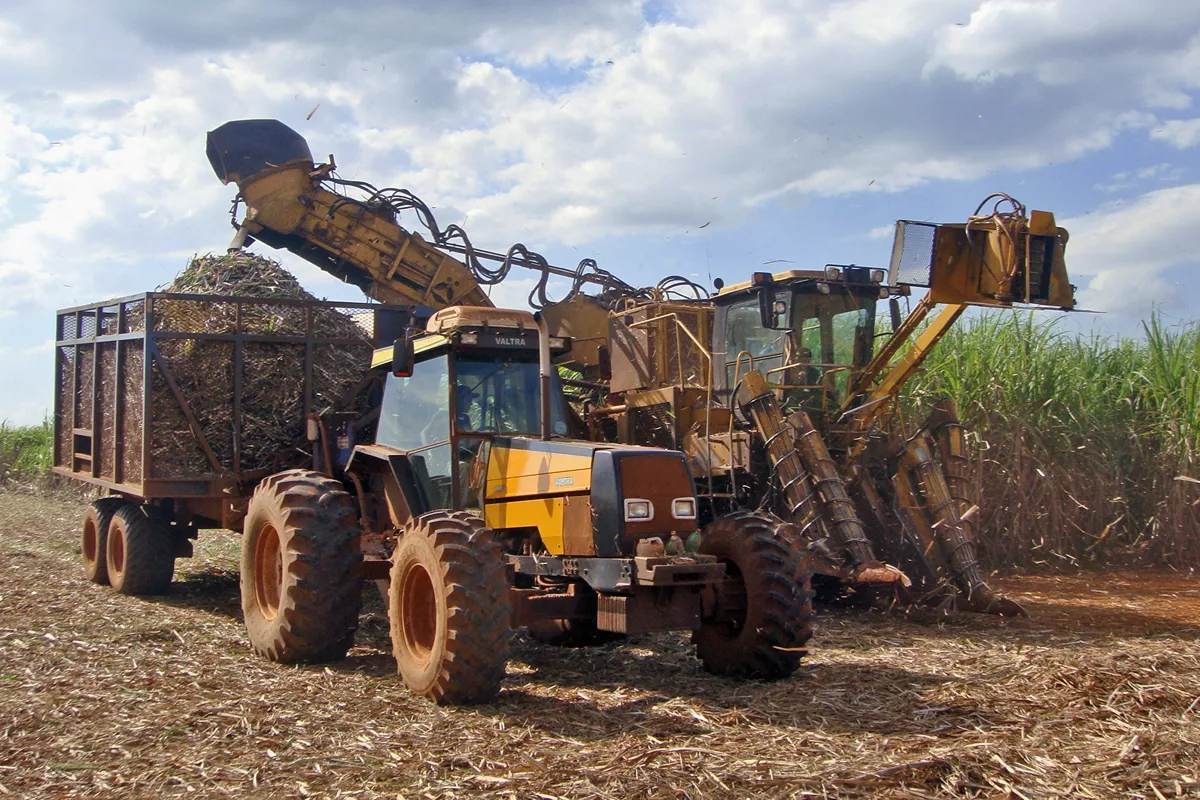
The Ecuador sugar harvest has stopped early at two major coastal mills after weeks of heavy rain. Agroazúcar in La Troncal and Ingenio San Carlos in Marcelino Maridueña halted cutting at the end of September.
Around 20,000 hectares of cane were left standing in the fields, according to Primicias and El Comercio. The mills say Ecuador will now have to import sugar to cover domestic demand until the next harvest.
Why the Mills Stopped
Agroazúcar ended its harvest on 30 September, citing safety, El Comercio reported. Ingenio San Carlos stopped the same week and planned its final grinding for 30 September to 1 October, Primicias said.
Some stations recorded up to 100 millimetres of rain in a single night, San Carlos said, according to El Comercio and Expreso. Machines could no longer enter the fields.
Continuing would have risked sinking tractors and harvesters, AgroLatam reported. Augusto Ayala, administrative vice-president of San Carlos, told Expreso that Ingenio Valdez also stopped.
How Far Short the Ecuador Sugar Harvest Fell
Before the rains, Ecuador expected to produce 530,000 tonnes of sugar in 2026, up from 516,000 tonnes in 2025, Vistazo reported in July. The national sugar federation Fenazúcar told Vistazo the country is self-sufficient and imports only specialty sugars.
San Carlos produced less than half of what it had planned, both Primicias and El Comercio reported. AgroLatam said affected growers had cut only 35 to 40 percent of their planted area.
AgroLatam put possible losses at US$60.87 million, citing a scenario in an Agriculture Ministry plan for El Niño. That figure has not been independently confirmed for this harvest.
Imports, Jobs and Power
“It is essential to bring sugar from abroad. The stocks we have in the country are not enough,” Ayala, who also heads Fenazúcar, told Expreso. Cane grower leader Ángel López named Central America, Brazil and Colombia as possible suppliers.
Fenazúcar has asked the Agriculture Ministry for authorisation to import until the next harvest in July 2027, Expreso and AgroLatam reported. Smaller mills in Loja and Imbabura kept operating, according to Expreso.
Both large mills ended temporary contracts early, El Comercio reported. San Carlos will also stop feeding about 40 megawatts of power from cane waste into the national grid, Primicias and El Comercio said.
What It Means for Prices
On 1 October a 2-kilogram pack of sugar sold for US$1.74 to US$2.38 in supermarkets and online shops, Expreso reported. No official price forecast had been issued.
Consultant Santiago Jaramillo told Expreso the state’s main task is to prevent speculation, since a shortage can lift prices without real cause. Industry representatives called imports “the only alternative” to guarantee domestic supply, Expreso reported.
The same rains have caused flooding elsewhere on the coast, as reported in Ecuador Floods Burst Seven Rivers in Esmeraldas. Ecuador’s mills expect the next harvest to start in July 2027.
What Is Not Yet Known
No import volume, origin or tariff decision had been published by 2 October 2026. It is also unclear whether the Ministry of Agriculture will approve the quota Fenazúcar is seeking.
The mills have not given a final output figure for the 2026 Ecuador sugar harvest. The size of the shortfall against the 530,000-tonne target therefore remains an estimate.
Sources: Primicias, 30 September 2026; El Comercio, 1 October 2026; Expreso, 1 and 2 October 2026; AgroLatam, 2 October 2026; Vistazo, 7 July 2026.
This article was produced by The Rio Times’ automated newsroom system. How we use AI · Report an error · Editorial responsibility: Matthias Camenzind, Editor-in-Chief
LatAm Markets: Live Signals → — real-time movers, turnover leaders and FX across Latin America.