Ecuador Flood Safety Guide for US Travelers on the Coast

ECUADOR · TRAVEL SAFETY
Key Facts
- —The country Ecuador uses the US dollar. Its coastal lowlands include Guayas, home to the port of Guayaquil, and the farm province of Los Ríos.
- —What happened On Monday 12 October, three rivers burst their banks in Babahoyo, Los Ríos, and one in Balao, Guayas, the risk agency reported.
- —The alert A nationwide red alert for El Niño has run since 29 August. Guayas also has a provincial red alert.
- —Rain outlook The weather service’s warning No. 79 runs until 10 a.m. on Wednesday, 14 October, with the heaviest rain expected through Tuesday.
- —Who to call Call 911 in an emergency; US Embassy Quito is on +593-2-398-5000 and the Guayaquil consulate on +593-4-371-7000.
- —US advisory The State Department’s 18 August advisory rates Ecuador Level 2; parts of the coast are Level 3 or 4 for crime and terrorism.
Ecuador flood safety now matters for anyone in the country’s coastal provinces, where rivers burst their banks again on Monday, 12 October. That evening the national risk agency listed eight rivers over their banks, seven in Los Ríos and Guayas, and 28 more rising.
The weather service’s warning runs until 10 a.m. on Wednesday, 14 October, and the US Embassy has urged Americans since September to avoid flood-prone areas. Below are the Ecuador flood safety alerts, official advice and phone numbers for the coast.
Which Alerts Are in Force on the Coast
Ecuador’s national risk agency, the Secretaría Nacional de Gestión de Riesgos (SNGR), declared a nationwide red alert on 29 August. It cited El Niño, the Pacific warming that brings heavy coastal rain.
The red alert tells local governments to activate emergency committees and prepare evacuation plans, but it is not a state of emergency. Esmeraldas province declared its own emergency on 7 October, as covered in Ecuador Rains Hit 17,056 People, Red Alert.
On 31 August, President Daniel Noboa signed Decree 485, making El Niño prevention and preparation a national priority. The SNGR also lists a provincial red alert in Guayas from 4 September, and red alerts in Balzar and Pedro Carbo cantons.
Provincial emergency operations committees, known as COE, are active in Esmeraldas, Manabí, Santa Elena, Guayas, Los Ríos and El Oro. Under Ecuador’s risk-management law, they can order evacuations and restrict access to danger zones, so local Ecuador flood safety orders come from them.
Where Rivers Are Over Their Banks
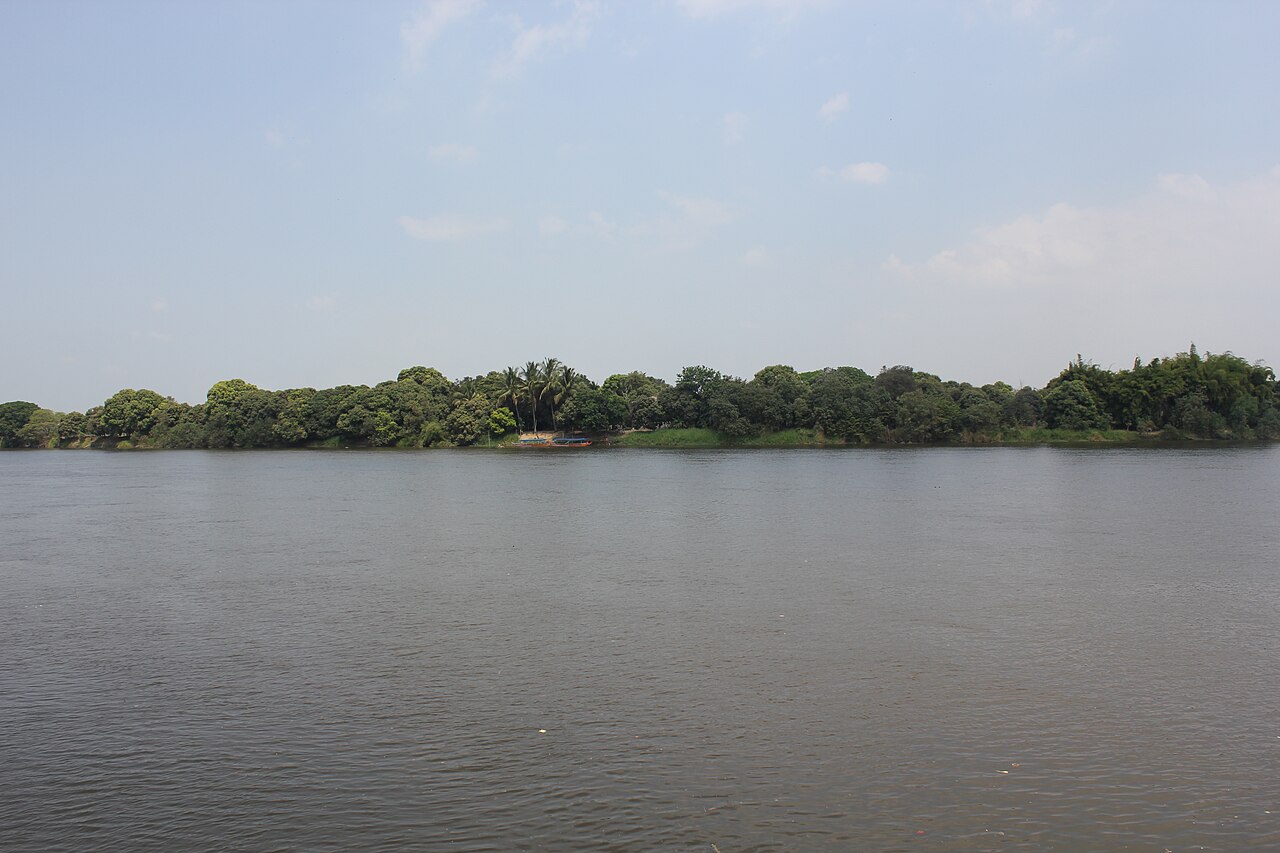
The SNGR’s 32nd situation report, published at 7:15 p.m. on Monday, lists four overflowing rivers in Babahoyo canton alone. The flood in the village of Las Cañitas is covered in Ecuador’s Babahoyo Floods Hit About 150 Families.
Outside Babahoyo, the San Rafael river overflowed at Recinto San Pedro in Bucay, Guayas, on 11 October. The Estero Hondo overflowed at Puerto Pechiche in Puebloviejo, Los Ríos, on 9 October.
Among the 28 rising rivers, the report lists those at the riverside promenades of Quevedo, Vinces and Palenque in Los Ríos. In Guayas, the Chilintomo is rising in Simón Bolívar and the Los Amarillos in Juján.
Esmeraldas, on the northern coast, has 13 of the 28 rising rivers, many around Muisne and San Lorenzo. The Esmeraldas river overflowed onto Isla Luis Vargas Torres, in the provincial capital, on 10 October.
Guayaquil’s own streets flooded earlier this season, as reported in Ecuador’s Guayaquil Floods Leave Water at 12 Points.
How Long the Rains Will Last
The national weather service, Inamhi, issued warning No. 79, valid from Sunday afternoon to 10 a.m. on Wednesday, 14 October. It expected the most intense rain between Sunday night and Tuesday.
On the coast, Inamhi expected the heaviest rain in Esmeraldas, Santo Domingo, Los Ríos and El Oro, and parts of Guayas and Manabí. Storms and strong gusts come with it.
Inamhi’s previous warning, No. 78 of Wednesday, 7 October, listed what such rain can do. It warned of water pooling in homes, businesses and roads, fallen trees, fog, lightning and rising rivers.
The risk agency’s advice printed on that warning is short and central to Ecuador flood safety. If the authorities tell you to evacuate, leave as soon as possible, and follow official sources.
Ecuador Flood Safety Steps From the US Embassy
The US Embassy in Quito set out its Ecuador flood safety advice in a weather alert on 4 September, after the red alert. It tells Americans to follow Ecuador’s civil protection authorities, including the SNGR, and to check official sources for high-risk areas.
The embassy advises avoiding flood and landslide areas, especially in coastal and low-lying regions. It also urges an emergency kit with supplies, documents, medicines and a plan for staying in touch if you must evacuate.
Americans should expect disruptions to roads, bridges, public transport and utilities, the alert says. The State Department advisory adds that a disaster can disrupt food supply, so keep at least three days of food and medicine.
Standing water also breeds the mosquitoes that spread dengue, and the health ministry urges people to get rid of any container that collects it. The ministry had counted 32,576 dengue cases and 35 deaths nationwide by 11 September.
The US Centers for Disease Control and Prevention (CDC) lists Ecuador, including the Galápagos, in its Level 1 global dengue notice of 2 October. It tells travellers to prevent mosquito bites.
What It Means for You
The first Ecuador flood safety rule in an emergency is to call 911, the national emergency line. The US Embassy says to call it first if you are in danger.
US citizens can then call the embassy on +593-2-398-5000 or the Guayaquil consulate on +593-4-371-7000.
Citizen services also answer by email at [email protected] and [email protected]. The State Department’s line is +1-888-407-4747 from the US and Canada.
On 11 September, the health ministry restricted over-the-counter sales of ibuprofen, naproxen and diclofenac nationwide, because they raise the risk of bleeding in dengue. For Ecuador flood safety, pack the medicines you need, as the embassy’s emergency-kit advice says.
The State Department’s 18 August advisory rates parts of the coast Level 4, “Do not travel”, for crime and terrorism rather than weather. They include Durán, Huaquillas, Arenillas, Quevedo, Quinsaloma, Pueblo Viejo, Esmeraldas City and the area north of it.
In Guayaquil, the Nueva Prosperina and Pascuales districts and all areas south of Portete de Tarqui Avenue are Level 4. The rest of the city, Manabí, Santa Elena and most of Los Ríos and El Oro are Level 3, “Reconsider travel”.
Quevedo, Pueblo Viejo and Esmeraldas City, where rivers are rising or have overflowed, are all Level 4 areas. Expats choosing where to settle can compare regions in Best Places to Live in Ecuador for Expats 2026.
What Is Not Known
For Ecuador flood safety on the road, the SNGR’s latest report counts 11.29 kilometres of roads and seven bridges damaged since 29 August. It does not say which highways are closed, or whether well or tap water is safe in flooded parts of Los Ríos.
Inamhi has not yet published what follows when warning No. 79 expires on Wednesday morning. The SNGR issues a new situation report only when there is new relevant activity, so figures can lag events.
More on this story: Ecuador's Babahoyo Floods Hit About 150 Families.
More: Ecuador news in English, every day from The Rio Times.
Frequently Asked Questions
Is there a flood alert in Ecuador right now?
Yes. Ecuador has been under a nationwide red alert for El Niño since 29 August, and Guayas also has a provincial red alert. A red alert is a preparedness level, not a state of emergency.
What number do I call in a flood emergency in Ecuador?
Call 911, Ecuador’s national emergency line. US citizens can also call the US Embassy in Quito at +593-2-398-5000 or the Guayaquil consulate at +593-4-371-7000.
What are the basic Ecuador flood safety steps?
Avoid flood-prone and landslide areas, keep an emergency kit with documents and medicines, and follow SNGR and US Embassy alerts. If the authorities order an evacuation, leave as soon as possible.
How long will the heavy rain last on Ecuador’s coast?
The weather service’s current warning runs until 10 a.m. on Wednesday, 14 October, with the heaviest rain expected through Tuesday. The red-alert decision cites US forecasters who expect El Niño to keep strengthening until the end of 2026.
Is Guayaquil safe to visit during the floods?
The State Department rates most of Guayaquil Level 3 for crime and terrorism. The Nueva Prosperina and Pascuales districts and areas south of Portete de Tarqui Avenue are Level 4, and the city’s streets have flooded this season.
Can I buy ibuprofen over the counter in Ecuador?
Not since 11 September, when the health ministry restricted over-the-counter sales of ibuprofen, naproxen and diclofenac nationwide because of rising dengue cases.
Sources: Secretaría Nacional de Gestión de Riesgos, national situation report No. 32 (12 October 2026, 7:15 p.m.), 12 October 2026; Secretaría Nacional de Gestión de Riesgos, Resolution SNGR-238-2026 (nationwide red alert), 29 August 2026; Inamhi, meteorological bulletin No. 78, 7 October 2026; US Embassy Ecuador, weather alert, 4 September 2026; US Embassy Ecuador, contact page, accessed 13 October 2026; US State Department, Ecuador travel advisory, 18 August 2026; Ministerio de Salud Pública, dengue strategy, 11 September 2026; US Centers for Disease Control and Prevention, travel notices (Global Dengue), updated 2 October 2026.
Editorial responsibility: Matthias Camenzind, Editor-in-Chief · Editorial standards · Report an error