Ecuador’s Babahoyo Floods Hit About 150 Families

ECUADOR · WEATHER
Key Facts
- —The country Ecuador uses the US dollar. Babahoyo is the capital of Los Ríos, a farming province near the port city of Guayaquil.
- —What happened On Monday 12 October, the Chilintomo river burst its banks in Las Cañitas, a rural part of Babahoyo, affecting about 150 families.
- —The water problem Floodwater covered the wells villagers drink from. The national risk agency sent tanks holding 8,700 litres (about 2,300 US gallons).
- —Balao In Balao, Guayas province, six families (31 people) moved into an emergency shelter on 12 October after the Balao river overflowed.
- —National toll The risk agency’s Monday evening report counts 17,666 people affected by rains since 29 August, up from 17,056 on Sunday.
- —Rivers Eight rivers had burst their banks and 28 were rising when the report closed. Four of the eight are in Babahoyo canton.
The Babahoyo floods of Monday, 12 October, hit about 150 families in Las Cañitas, a rural community in Ecuador’s Los Ríos province. The Chilintomo river rose before dawn, pushing water into homes and over the wells families drink from.
Ecuador’s risk agency sent water tanks the same day, and Balao in Guayas opened an emergency shelter for 31 people. The rains have now affected 17,666 people across Ecuador since 29 August, the agency says.
How the Babahoyo Floods Hit Las Cañitas
Ecuador’s national risk agency, the Secretaría Nacional de Gestión de Riesgos (SNGR), listed the Chilintomo as overflowing at Las Cañitas on Monday. It published the entry in its 32nd national situation report that evening.
El Universo and Metro Ecuador, both citing officials, put the number of families hit by the Babahoyo floods at about 150. Families whose homes still had water inside moved in with relatives or neighbours who took them in.
Extra, a Guayaquil daily, reported water up to residents’ waists in some houses and families sheltering under plastic sheets beside the road. The paper said the village school had suspended classes.
The same SNGR report listed two more Babahoyo rivers over their banks on Monday. The Caracol river overflowed by the Caracol school in Caracol parish, and the San Pablo river overflowed in Clemente Baquerizo parish.
Contaminated Wells and Water Tanks
Las Cañitas draws its water from underground wells, and the Babahoyo floods covered them, Extra reported. The paper said floodwater mixed with rubbish, dead animals and waste from pig farms.
Metro Ecuador also reported that freshwater sources were contaminated by mud and floodwater. Residents asked above all for tanker trucks with clean water to prevent stomach and skin infections, the outlet said.
The SNGR coordinated the delivery of three 2,500-litre tanks and one 1,200-litre tank on Monday, El Universo and Metro Ecuador reported. Together they hold 8,700 litres, or about 2,300 US gallons.
During an inspection, an agency official said two large tanks and the small one were already in place, El Universo reported. The agency is still working out what other help households hit by the Babahoyo floods need.
Balao Opens an Emergency Shelter
Balao, a small town in southern Guayas province, was hit as well. The SNGR’s Guayas report says the Balao river overflowed after rain on Sunday, 11 October, flooding Las Madres, Santa Teresita and Barrio Nuevo.
A shelter called Corazones Abiertos (Open Hearts) opened in Balao on Monday with six families, 31 people, the national report shows. It is the first shelter the agency lists as activated since 29 August; a school in Esmeraldas has served as temporary lodging since 3 October.
The town has flooded before this season. On 27 September the same river affected 1,200 people and 380 homes, making Balao the hardest-hit canton in Guayas since 29 August, the report says.
El Universo reported that the Ministry of Labour and Human Development sent teams to Balao to assess families’ needs. The ministry said the visits would help assess whether families can receive the Bono de Contingencia, a one-off emergency cash payment.
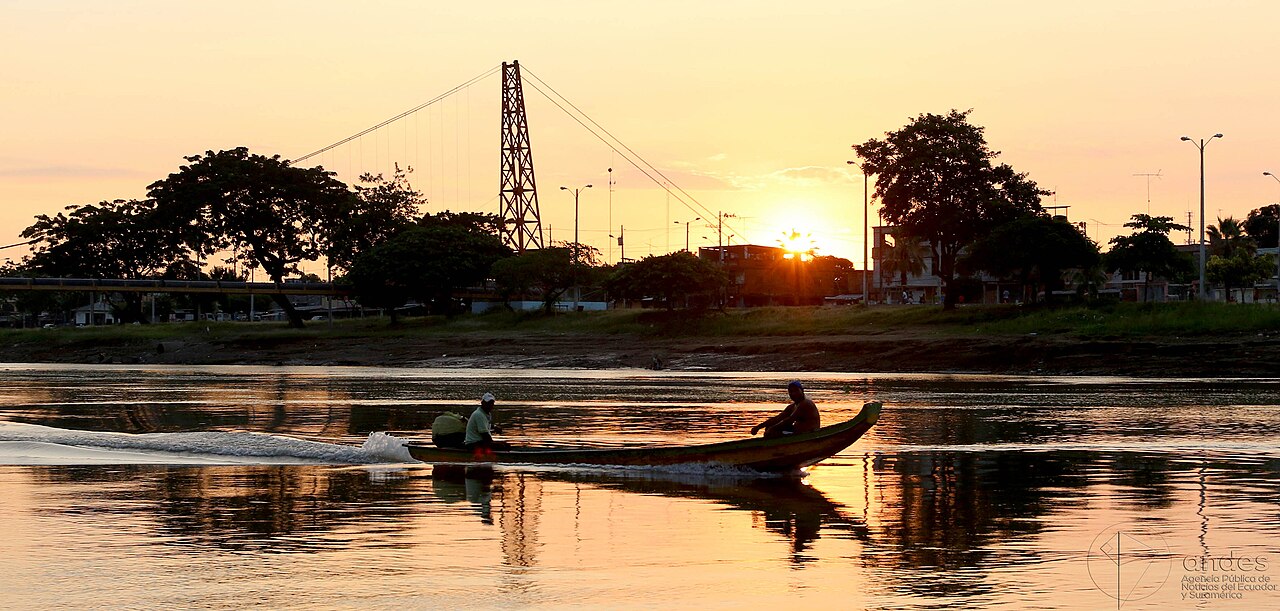
Rivers Still Rising on Ecuador’s Coast
The SNGR’s Monday report, published at 7:15 p.m. local time, counts 354 rain-related events since 29 August in 22 of Ecuador’s 24 provinces. They have affected 17,666 people and damaged 5,076 homes.
That is up from 17,056 people on Sunday, the figure in Ecuador Rains Hit 17,056 People, Red Alert. The agency has handed out 10,503 relief items in nine provinces so far.
When the report closed, eight rivers had burst their banks and 28 more were rising. Four of the eight are in Babahoyo canton, including the Babahoyo river at Pimocha, so the Babahoyo floods reach beyond Las Cañitas.
The national weather service expected the heaviest rain on the coast between Sunday night and Tuesday, 13 October, the report says. Los Ríos is among the coastal provinces where it expected the most intense rain.
What It Means for You
The State Department’s Ecuador advisory of 18 August 2026 rates most of Los Ríos at Level 3, “Reconsider travel”, citing terrorism and crime. Quevedo, Quinsaloma and Pueblo Viejo, in the same province, are Level 4, “Do not travel”.
The advisory does not mention floods, but in a natural disaster it tells Americans to follow the news media. Residents said aid during the Babahoyo floods was slow to arrive because roads were under water, Metro Ecuador reported.
Anyone with family, staff or suppliers in Los Ríos or Guayas can follow the SNGR’s situation reports on gestionderiesgos.gob.ec. They list flooded sectors parish by parish and are updated as new events come in.
Earlier city flooding is covered in Ecuador’s Guayaquil Floods Leave Water at 12 Points. The rains’ toll on farms is in Ecuador Sugar Harvest Halted by Rains, Imports Needed.
What Is Not Known
The SNGR’s situation reports do not yet give a family count for the Babahoyo floods in Las Cañitas, and local reports differ. Losses to crops and livestock there have not been published.
In Balao, the Guayas report still listed affected families and homes as under evaluation. It is not known when the Las Cañitas wells will be safe again, or how many families will get the emergency payment.
More: Ecuador news in English, every day from The Rio Times.
Frequently Asked Questions
What happened in Babahoyo on 12 October?
The Chilintomo river burst its banks in Las Cañitas, a rural part of Babahoyo in Los Ríos province. About 150 families were affected, according to El Universo and Metro Ecuador, citing officials.
Why did the Babahoyo floods leave families short of water?
The village relies on wells that floodwater covered and contaminated, local outlets reported. Ecuador’s risk agency sent water tanks holding 8,700 litres (about 2,300 US gallons).
Is anyone staying in an emergency shelter?
Yes. Six families, 31 people, moved into the Corazones Abiertos shelter in Balao, Guayas province, on 12 October, according to the national risk agency.
Is it safe for Americans to travel to Los Ríos?
The State Department rates most of Los Ríos at Level 3, “Reconsider travel”, because of terrorism and crime. Floods add blocked rural roads, so follow local news and official reports.
Sources: Secretaría Nacional de Gestión de Riesgos, national situation report No. 32 (12 October 2026, 7:15 p.m.), 12 October 2026; Secretaría Nacional de Gestión de Riesgos, Guayas situation report No. 05, 12 October 2026; El Universo, 12 October 2026; Metro Ecuador, 12 October 2026; Extra, 12 October 2026; US Department of State, Ecuador Travel Advisory (issued 18 August 2026), accessed 13 October 2026.
This article was produced by The Rio Times’ automated newsroom system. How we use AI · Report an error · Editorial responsibility: Matthias Camenzind, Editor-in-Chief