Debt Outpaces Growth in Colombia’s Expanding 2026 Budget
Colombia’s government plans to spend a record 534.7 trillion pesos ($132.7 billion) in 2026. That is 11 trillion pesos ($2.73 billion) more than this year, according to official Ministry of Finance figures.
The government will bypass the fiscal rule—a law meant to limit overspending—and borrow more than ever before. This shift reflects a growing focus on keeping public operations running rather than investing in long-term growth.
Almost two-thirds of the budget—353.4 trillion pesos ($87.76 billion)—will cover basic government operations, such as salaries and daily expenses.
Personnel costs alone will rise to 65.1 trillion pesos ($16.16 billion), an increase of three trillion pesos ($745 million) from the prior year.
Social transfers and pensions now absorb nearly half the national budget. Pension spending will reach 84.7 trillion pesos ($21.04 billion), nearly matching the cost of servicing national debt.
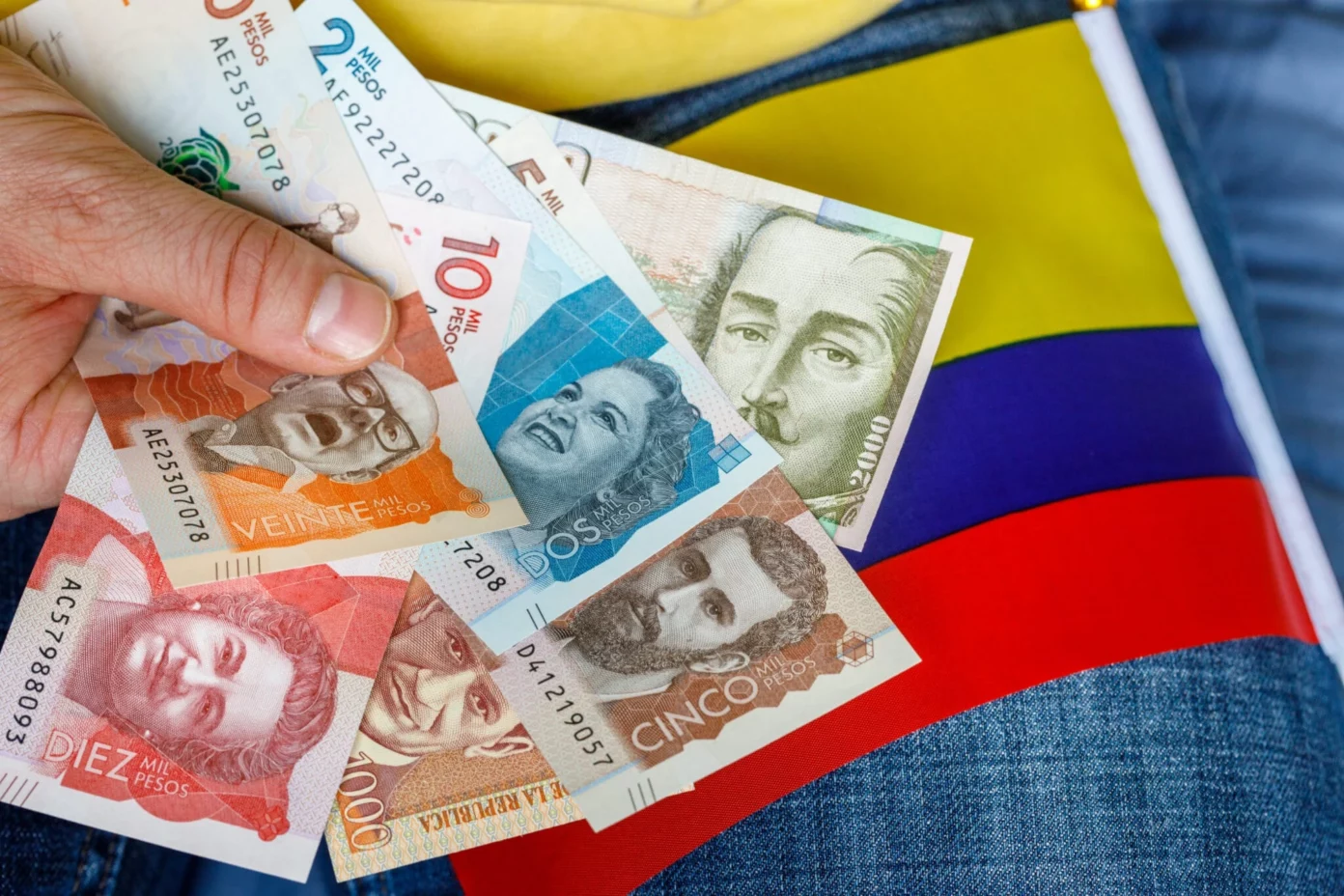
Debt payments remain among the most expensive items. In 2026, the government expects to spend 99.3 trillion pesos ($24.66 billion) on debt service.
About 61.1 trillion pesos will go to domestic debt, and 38.2 trillion to external debt. Most of these payments cover interest rather than reducing principal. This means nearly one out of every five pesos will go toward past obligations, not present services.
At the same time, national tax revenue continues to underperform. The government estimates it will collect just 281.4 trillion pesos ($69.89 billion) in 2025—well below spending needs.
To fill the growing gap, the Ministry of Finance has proposed a new tax reform intended to raise an additional 19 trillion pesos ($4.76 billion). However, Congress rejected a similar plan in 2024, leaving future approval uncertain.
Colombia’s credit rating has already suffered. Debt levels have climbed above 60% of GDP, and interest costs are rising. The cost of servicing debt now challenges the country’s ability to invest in health, infrastructure, or education.
Government officials have admitted that without added revenue, spending pressure could drive debt closer to 70% of GDP before 2030. This proposed 2026 budget reflects a deeper problem.
Spending keeps rising, but income does not. Colombia is depending on borrowed money to pay for essential programs while sacrificing long-term investment to cover short-term obligations.
Unless tax revenues improve significantly or structural reforms succeed, the country will face fewer options, tighter credit, and growing financial risk.
Fiscal Snapshot: Key Budget Figures (2025/2026)
| Item | Value in COP (trillion) | Value in USD (billion) |
|---|---|---|
| Total Spending | 534.7 | 132.7 |
| Year-over-Year Increase | 11 | 2.73 |
| Functioning Costs | 353.4 | 87.76 |
| Personnel Costs | 65.1 | 16.16 |
| Social Programs & Pensions | ~265.5 + 84.7 | ~65.8 + 21.04 |
| Pension Payouts | 84.7 | 21.04 |
| Debt Service | 99.3 | 24.66 |
| Tax Revenue (2025) | 281.4 | 69.89 |
| Proposed Tax Reform (2026) | 19 | 4.76 |
More: Colombia news in English, every day from The Rio Times.
This article was produced by The Rio Times’ automated newsroom system. How we use AI · Report an error
Read More from The Rio Times