Colombia’s Police and Universities Protocol Has Been Announced. It Has Not Been Written.
COLOMBIA · SECURITY
Key Facts
- —What was said Autonomy does not override public order, the president told the country on Sunday.
- —The promise A protocol setting out when police may enter a public university campus.
- —The status Announced only. Details were expected during the week, with no text published.
- —The author No ministry has been named. The interior ministry’s only relevant release is from May.
- —The law Article 69 of the constitution and Law 30 of 1992 guarantee autonomy.
- —The catch Neither text mentions police. The rector’s-permission convention is practice, not statute.
University autonomy is in the constitution. What it does not contain is a rule about police entry.
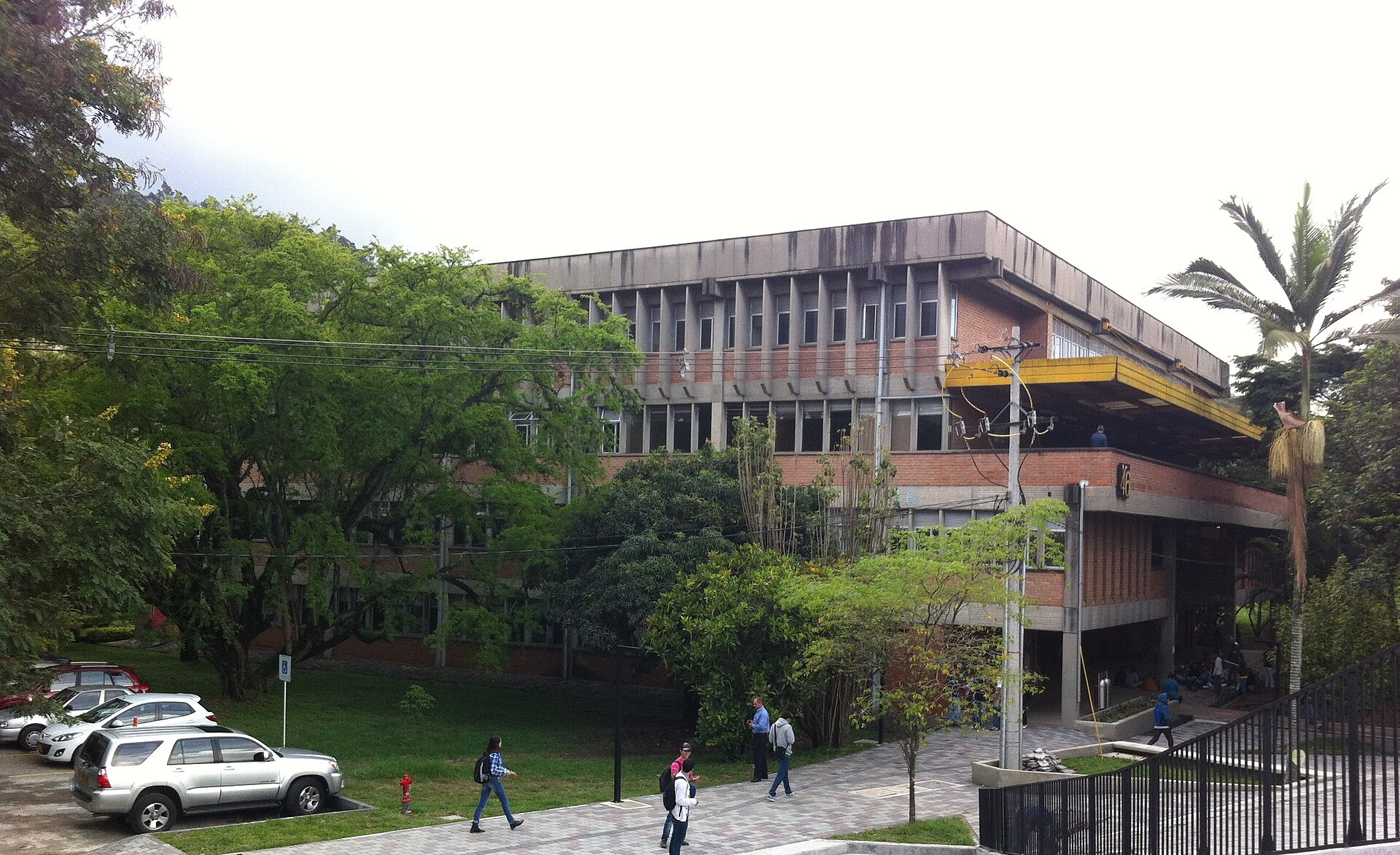
Colombia’s government has said it will publish a universities protocol governing police entry onto public campuses. As of Monday, 14 September 2026, no such document exists.
That distinction is the story. What has happened is a presidential statement of intent, and the reporting has converted it into a rule.
What the President Actually Said
Abelardo De la Espriella addressed the country on Sunday evening. He said university autonomy does not sit above public order.
He described urban terrorism, vandalism, destruction of infrastructure and attacks on the security forces and civilians as things that are not protest. He said legitimate protest would be respected and guaranteed.
He then said he would go after those responsible, including by entering the universities. That sentence is what generated the coverage.
El Espectador reported that work on a universities protocol was underway, setting out when authorities could act. It said details were expected during the week.
Nothing Has Been Issued
There is no decree. There is no resolution and no published text of any kind.
No outlet names the ministry responsible for drafting it. The interior ministry has one release touching public universities, and it is from May 2026, under the previous government.
That release concerns threats at a single university and announces no protocol. It cannot be used to attribute the current plan.
So the honest description is a stated intention with an expected publication window. Anything firmer than that is not supported.
The Autonomy Question Is Less Settled Than It Sounds
Autonomy is guaranteed by Article 69 of the Colombian constitution and developed in Law 30 of 1992. Both are frequently cited in this argument.
A search of the full text of Law 30 returns no match for the security forces, the police or public order. The statute does not mention them.
There is no article requiring a rector’s authorisation before police enter a campus. The convention derives from practice and from case law, not from a provision anyone can quote.
This cuts both ways. The government cannot point to a clean rule it is changing, and critics cannot point to a clean rule it is breaking.
What the Rectors Say
Ismael Pena, rector of the National University, made the sharpest point. Police may already enter any location during a crime in progress, without permission.
If that is so, a universities protocol adds little to existing powers. He also argued that historical entries have not produced real results.
Guillermo Murillo, rector of the Universidad del Valle, disputed the premise directly. He rejected the suggestion that explosives are being prepared in campus laboratories.
Laura Espinosa Macias, a former national peace strategy director, put the constitutional objection. She said the president cannot dismantle the principle, criminalise protest by decree, or convert campuses into territories of exception.
Why This Recurs in Colombia
Public university campuses have been flashpoints in Colombian protest cycles for decades. The National University in Bogotá is the most prominent.
Masked protesters operating from campus grounds are a recurring feature of street confrontations. Every recent government has promised a universities protocol of some kind.
What distinguishes the present announcement is its framing. It places autonomy and public order in explicit hierarchy rather than seeking to reconcile them.
Whether the eventual text does the same is the thing to watch. A protocol that defines narrow triggers is a different instrument from a general permission.
What to Look For
Three details will determine what this is. Who signs it, what triggers entry, and whether a judicial authorisation is required.
A document issued by the interior ministry reads differently from one issued by the defence ministry. The first frames it as public order and the second as security.
If entry requires notice to the rector except in flagrante, the protocol codifies existing practice. If it does not, it changes the relationship.
Until the text appears, none of that can be assessed. What exists today is a speech and an expectation.
More: Colombia news in English, every day from The Rio Times.
Frequently Asked Questions
Has Colombia issued a protocol for police entering universities?
No. It was announced in the president’s address on 13 September 2026, with details expected later in the week. No decree, resolution or published text exists.
Which ministry is drafting it?
No source names one. The interior ministry’s only relevant public statement dates from May 2026, under the previous government, and announces no protocol.
Does Colombian law require a rector’s permission for police to enter?
No statute does. Article 69 of the constitution and Law 30 of 1992 guarantee autonomy, but neither mentions the police. The convention comes from practice and jurisprudence.
What do university rectors say?
The rector of the National University notes police may already enter during a crime in progress, so the framework adds little. The rector of the Universidad del Valle disputes the claim that explosives are made on campus.
What did the president actually say?
That university autonomy does not sit above public order, that vandalism and attacks on the security forces are not protest, and that he would pursue those responsible even inside the universities.
Sources: El Espectador, Prensa Latina, Colombia.com, the Colombian interior ministry and the text of Law 30 of 1992 via the public administration department.
This article was produced by The Rio Times’ automated newsroom system. How we use AI · Report an error
Read More from The Rio Times