IBOV 175,664.62 ▲ 0.30% IPSA 11,445.90 ▼ 0.22% IPC MEX 65,484.32 ▼ 0.53% MERVAL 2,979,472 ▼ 0.72% COLCAP 2,457.87 ▼ 1.28% BVL PERÚ 60,779.49 ▼ 1.40% USD/BRL5.19▼ 0.16% USD/MXN17.02▼ 0.09% USD/CLP930.58— 0.00% USD/COP3,202▲ 0.05% USD/PEN3.37▲ 0.44% USD/ARS1,512▼ 0.03% USD/UYU40.27— 0.00% USD/PYG5,900▲ 1.27% USD/BOB11.78▲ 3.30% USD/DOP58.75▲ 0.24% USD/CRC446.65— 0.00% USD/GTQ7.62— 0.00% USD/HNL26.84— 0.00% USD/NIO36.62— 0.00% USD/VES793.00▼ 0.13% USD/PAB1.00— 0.00% USD/BZD2.00— 0.00% USD/JMD 157.28 — 0.00% USD/TTD6.72— 0.00% EUR/BRL6.01▼ 0.31% BRENT 88.88 ▼ 0.03% WTI 83.11 ▼ 0.11% IRON ORE 161.91 — — COPPER 6.61 ▲ 0.03% GOLD 4,461 ▲ 1.78% SILVER 65.59 ▲ 1.26% SOY 1,184 ▲ 3.20% CORN 480.50 ▲ 10.02% WHEAT 655.00 ▲ 3.93% COFFEE 317.25 ▼ 5.51% SUGAR 16.43 ▼ 1.79% ORANGE JUICE 138.55 ▼ 0.47% COTTON 85.03 ▲ 2.33% COCOA 5,719 ▲ 3.18% BEEF 223.60 ▼ 3.93% CATTLE 339.10 ▼ 3.16% LITHIUM 75.20 ▲ 1.47% PETR4 41.64 ▼ 0.05% VALE3 72.97 ▲ 0.83% ITUB4 38.60 ▼ 1.03% BBDC4 16.85 ▲ 0.36% ABEV3 14.89 ▼ 0.80% BBAS3 19.37 ▲ 0.47% B3SA3 14.26 ▼ 0.21% WEGE3 47.59 ▲ 0.49% PRIO3 59.14 ▼ 0.19% SUZB3 41.33 ▲ 2.35% RENT3 34.68 ▼ 0.09% AZZA3 15.89 ▼ 2.63% CSAN3 3.22 ▼ 1.83% RAIZ4 0.25 — 0.00% PCAR3 2.75 ▼ 0.36% GMAT3 3.65 ▼ 1.08% PSSA3 48.13 ▼ 0.54% CVCB3 1.33 ▼ 2.92% POSI3 3.36 ▲ 2.44% SLCE3 13.34 ▲ 0.30% NATU3 8.14 ▼ 0.73% IBOV 175,664.62 ▲ 0.30% IPSA 11,445.90 ▼ 0.22% IPC MEX 65,484.32 ▼ 0.53% MERVAL 2,979,472 ▼ 0.72% COLCAP 2,457.87 ▼ 1.28% BVL PERÚ 60,779.49 ▼ 1.40% USD/BRL 5.16 ▲ 0.01% USD/MXN 17.06 ▼ 0.24% USD/CLP 913.98 ▲ 0.04% USD/COP 3,140 ▲ 0.03% USD/PEN 3.36 ▼ 0.66% USD/ARS 1,493 ▲ 0.10% USD/UYU 40.27 ▲ 1.24% USD/PYG 5,939 ▲ 1.68% USD/BOB 11.64 ▼ 0.76% USD/DOP 58.34 ▲ 1.25% USD/CRC 445.92 ▲ 0.89% USD/GTQ 7.62 ▲ 2.21% USD/HNL 26.79 ▲ 1.57% USD/NIO 36.62 ▲ 0.69% USD/VES 762.44 ▼ 0.13% USD/PAB 1.00 — 0.00% USD/BZD 2.00 — 0.00% USD/JMD 157.28 — 0.00% USD/TTD 6.70 ▲ 0.61% EUR/BRL 5.95 ▲ 1.01% BRENT 88.88 ▼ 0.03% WTI 83.11 ▼ 0.11% IRON ORE 161.91 — — COPPER 6.61 ▲ 0.03% GOLD 4,461 ▲ 1.78% SILVER 65.59 ▲ 1.26% SOY 1,184 ▲ 3.20% CORN 480.50 ▲ 10.02% WHEAT 655.00 ▲ 3.93% COFFEE 317.25 ▼ 5.51% SUGAR 16.43 ▼ 1.79% ORANGE JUICE 138.55 ▼ 0.47% COTTON 85.03 ▲ 2.33% COCOA 5,719 ▲ 3.18% BEEF 223.60 ▼ 3.93% CATTLE 339.10 ▼ 3.16% LITHIUM 75.20 ▲ 1.47% PETR4 41.64 ▼ 0.05% VALE3 72.97 ▲ 0.83% ITUB4 38.60 ▼ 1.03% BBDC4 16.85 ▲ 0.36% ABEV3 14.89 ▼ 0.80% BBAS3 19.37 ▲ 0.47% B3SA3 14.26 ▼ 0.21% WEGE3 47.59 ▲ 0.49% PRIO3 59.14 ▼ 0.19% SUZB3 41.33 ▲ 2.35% RENT3 34.68 ▼ 0.09% AZZA3 15.89 ▼ 2.63% CSAN3 3.22 ▼ 1.83% RAIZ4 0.25 — 0.00% PCAR3 2.75 ▼ 0.36% GMAT3 3.65 ▼ 1.08% PSSA3 48.13 ▼ 0.54% CVCB3 1.33 ▼ 2.92% POSI3 3.36 ▲ 2.44% SLCE3 13.34 ▲ 0.30% NATU3 8.14 ▼ 0.73%
since 2009
Monday, August 31, 2026

Cuba Seized American Assets in 1959 — Now the Supreme Court Is Opening the Bill

By · February 23, 2026 · 2 min read

Daily Brief

The morning intel from across Latin America. Free.

By subscribing you agree to our privacy policy. We never share your email.

Key Points
The U.S. Supreme Court is hearing two landmark cases Monday that could unlock billions in compensation for American properties seized by Fidel Castro’s government after the 1959 revolution — the first time the justices have ever interpreted the law that allows such claims.
ExxonMobil wants over $1 billion from a Cuban state firm for confiscated oil assets; four major cruise lines face a $440 million claim for using nationalized port facilities in Havana.
The law behind these suits was passed in 1996 but kept frozen by five consecutive presidents — until Trump activated it in 2019, turning a symbolic statute into a live weapon.

When Castro seized power in 1959, his government nationalized everything it could — oil refineries, sugar mills, power plants, ports — much of it American-owned. The owners were never compensated.

This is part of The Rio Times’ daily coverage of Brazil politics and Latin American financial news.

In 1996, Congress passed the Helms-Burton Act with a powerful clause called Title III. It allowed Americans to sue not just Cuba, but anyone — foreign companies, cruise lines, hotel chains — who profited from their confiscated property.

There was a catch. Every president from Clinton to Obama suspended Title III to avoid angering allies whose companies had invested in Cuba. The law sat unused for over two decades — until Trump activated it in 2019, triggering roughly 40 lawsuits.
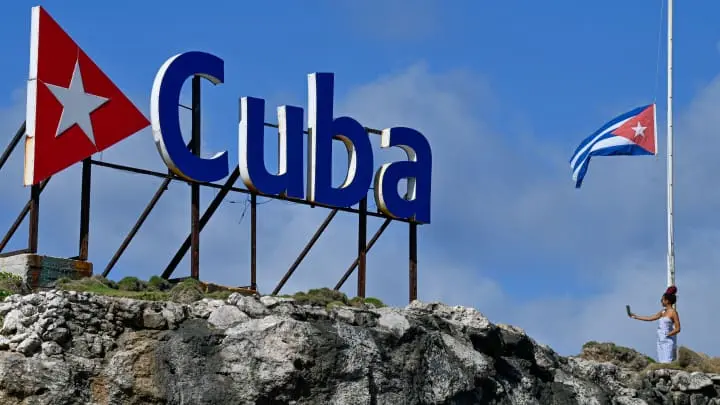
Cuba Seized American Assets in 1959 — Now the Supreme Court Is Opening the Bill. (Photo Internet reproduction)
One-stop reference
Company Intelligence
Every listed company in Latin America — financials, ownership and structure for 1,450+ companies across 26 exchanges, in one place.
Browse the directory →
RT
Ask Rio Times
17 years of Latin America reporting, on demand.
Open the full Ask Rio Times →

Two have now reached the Supreme Court. ExxonMobil is suing a Cuban state firm for over $1 billion in seized oil assets. A dock company claims $440 million from Carnival, Royal Caribbean, Norwegian, and MSC for using nationalized port facilities after Obama reopened Cuba travel.

Supporters — conservatives and the Cuban-American diaspora — call it overdue justice for theft that was never remedied. Critics — on the left and among allied governments — say it weaponizes Cold War grievances and tightens an embargo that punishes ordinary Cubans without changing their government.

The ruling matters far beyond Cuba. If the court strengthens Title III, it sets a precedent for how the U.S. legal system treats nationalized property worldwide — and signals that assets seized by revolutionary governments may never truly be beyond reach, no matter how many decades pass.

For more context, read Brazil’s Morning Call and the Latin American Pulse.

This article was produced by The Rio Times’ automated newsroom system. How we use AI · Report an error

Read More from The Rio Times

The Rio Times · Power Map
See who really holds power in Latin America
Click to open the Power Map

Rotate for Best Experience

This report is optimized for landscape viewing. Rotate your phone for the full experience.