Court Ruling Could Save Brazil R$50B in Tax Refunds and Hamper Export Competitiveness
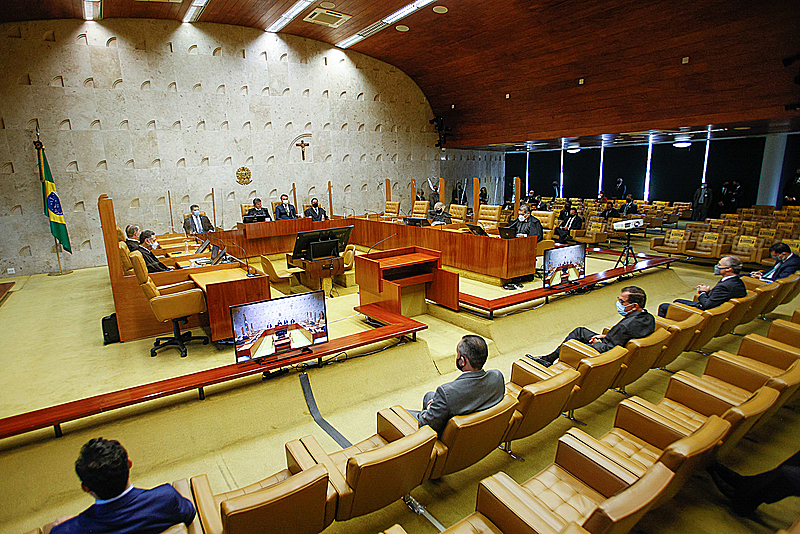
Brazil’s highest court has made a decision that will change how the country handles tax refunds for exporters. The Supreme Court ruled that the government can now adjust the rate of these refunds.
This change affects a program called Reintegra, which helps Brazilian companies sell their products overseas. Reintegra works by giving back some of the taxes that companies pay when making goods for export.
The program aims to make Brazilian products more competitive in global markets. Until now, many believed the refund rate should always be 3% of the export value.
The court’s decision allows the government to set the rate between 0.1% and 3%. This flexibility could save the government nearly 50 billion reais.
The ruling passed with a 7-2 vote, showing strong support among the justices. Supporters of the decision say it gives the government more control over its budget.
They argue that this flexibility is necessary for managing public finances effectively. The lead judge, Gilmar Mendes, stated that Reintegra is an economic incentive, not a constitutional right.
However, not everyone agrees with this new approach. Some judges expressed concerns about potential negative impacts on Brazilian exports.
They worry that lower refund rates might make Brazilian products more expensive in foreign markets. Large industry groups also oppose the change.
The Steel Industry and Economic Policy
The steel industry and the National Confederation of Industry wanted the rate to remain fixed at 3%. These groups fear that variable rates could harm their ability to compete internationally.
The court’s decision highlights a complex balance between supporting businesses and managing government finances. It shows how economic policies can have wide-reaching effects on various sectors of the economy.
This ruling comes at a time when Brazil’s industrial sector faces challenges. Some judges pointed out that the country’s industrialization has declined in recent years.
They emphasized the importance of maintaining a strong industrial base for economic growth. The government now has more tools to adjust its economic policies.
However, it must carefully consider how these changes might affect Brazil’s export competitiveness. The long-term impact of this decision on Brazil’s economy remains to be seen.
This case demonstrates the ongoing debate about how best to support Brazilian businesses in the global market. It also shows the difficult choices governments face when balancing different economic needs.
As Brazil moves forward, the effects of this ruling will likely be closely watched by businesses and economists alike.
More: Brazil news in English, every day from The Rio Times.
This article was produced by The Rio Times’ automated newsroom system. How we use AI · Report an error · Editorial responsibility: Matthias Camenzind, Editor-in-Chief